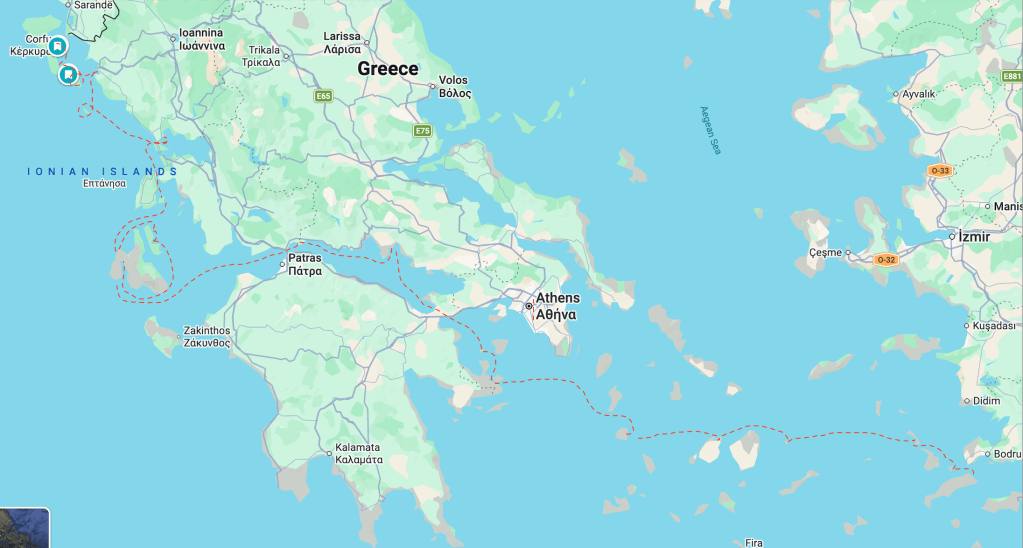
As I sit on the rocky barren edge of Kos one of the most easterly islands in Greece, looking out across to Türkiye writing this it’s actually hard to cast my mind back to Corfu at the far west edge of Greece. It feels like another place in another time mainly because of the territory we have covered since then. It’s a bit like going on holiday and coming home and asking yourself after you settle back into your daily routine if it actually ever happened.
Corfu is so different to where we are now. Lush forest covered hillsides, thunderclouds that build every afternoon, wet decks in the morning and the smell of the pine trees blowing across the salty water as we found ourselves facing yet another day of zero wind. Even in June, as the whole of Europe sweltered we felt it there too. The heat was energy sapping and only manageable when you have access to a place to swim and cool off but hard otherwise. The light is soft and sunsets and sunrises are shades of pink and indigo and the water clear and relatively warm and tones of azure, turquoise and cerulean.
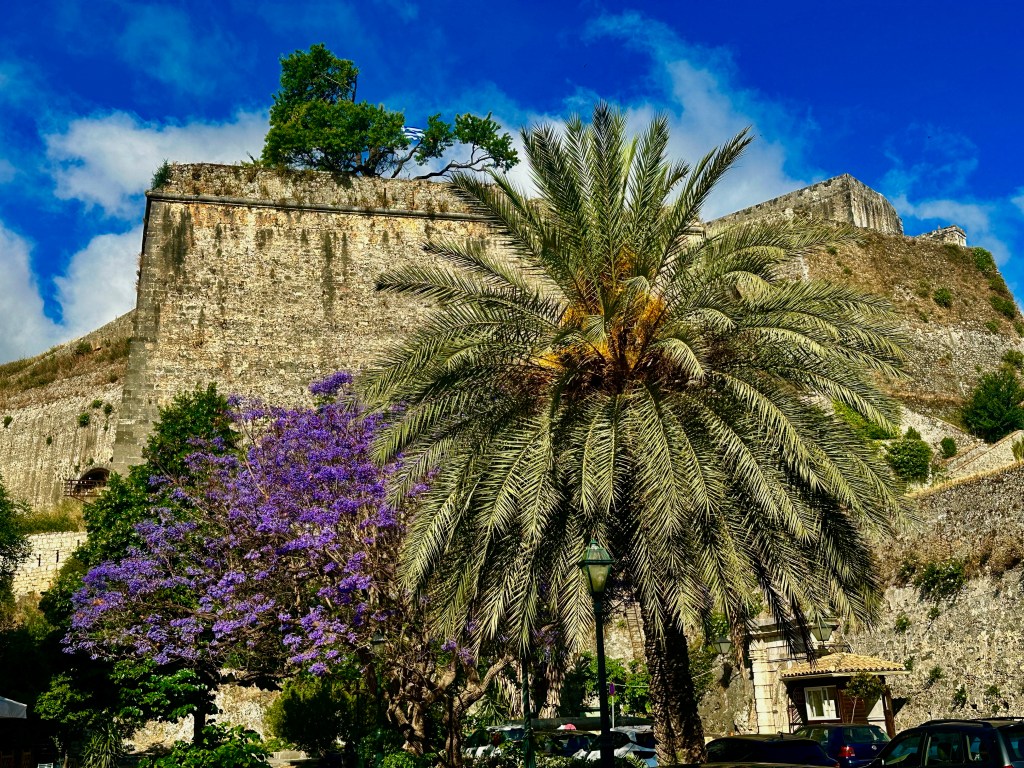
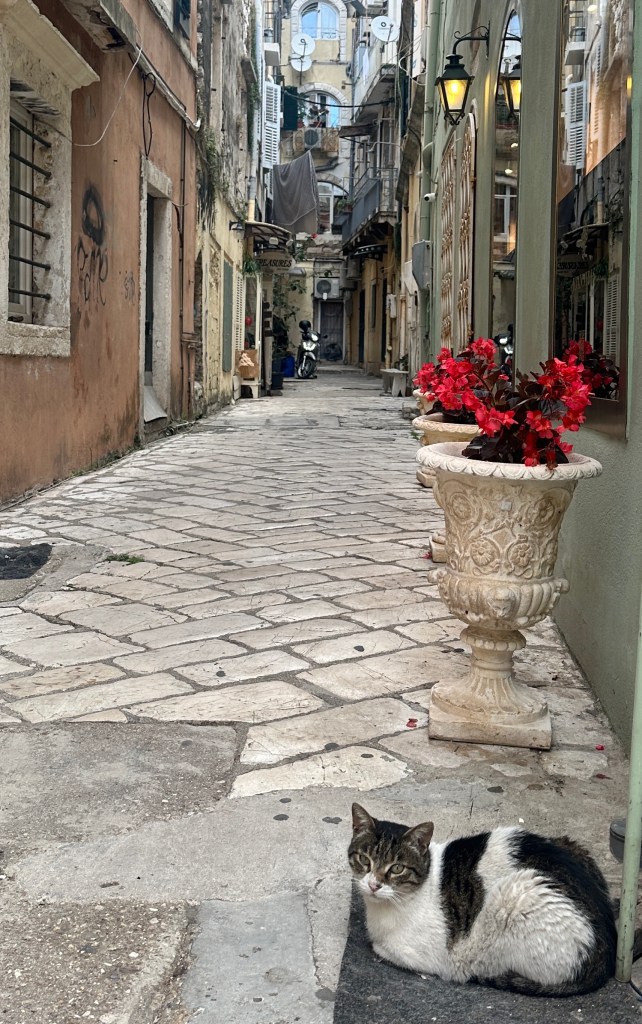
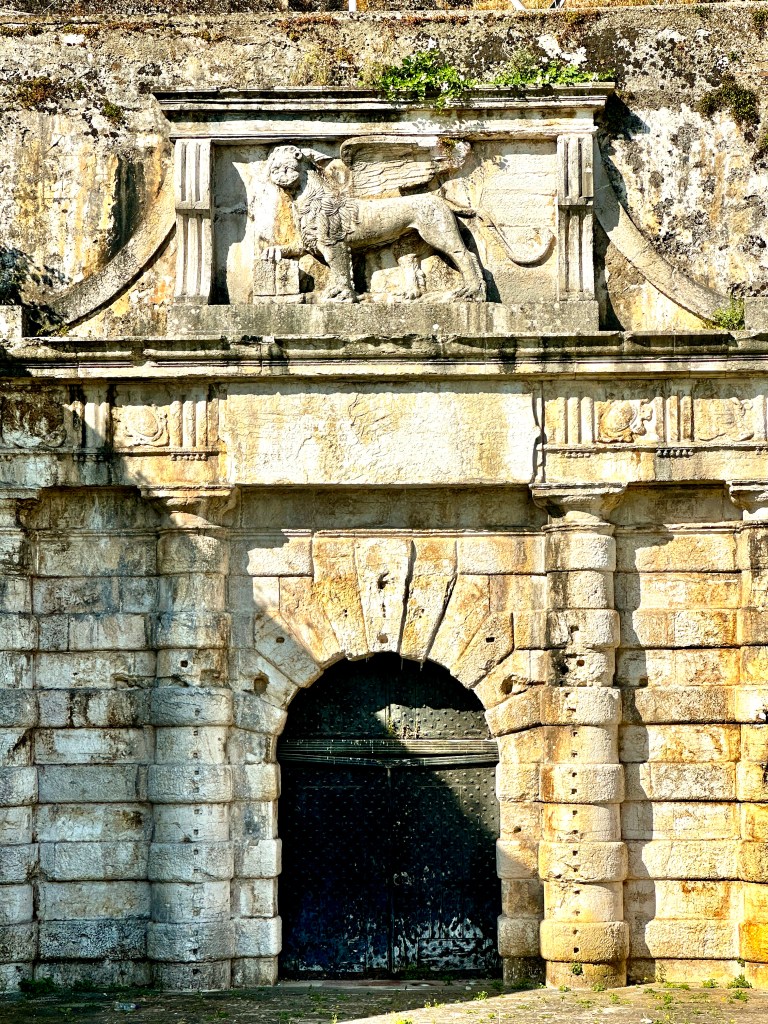
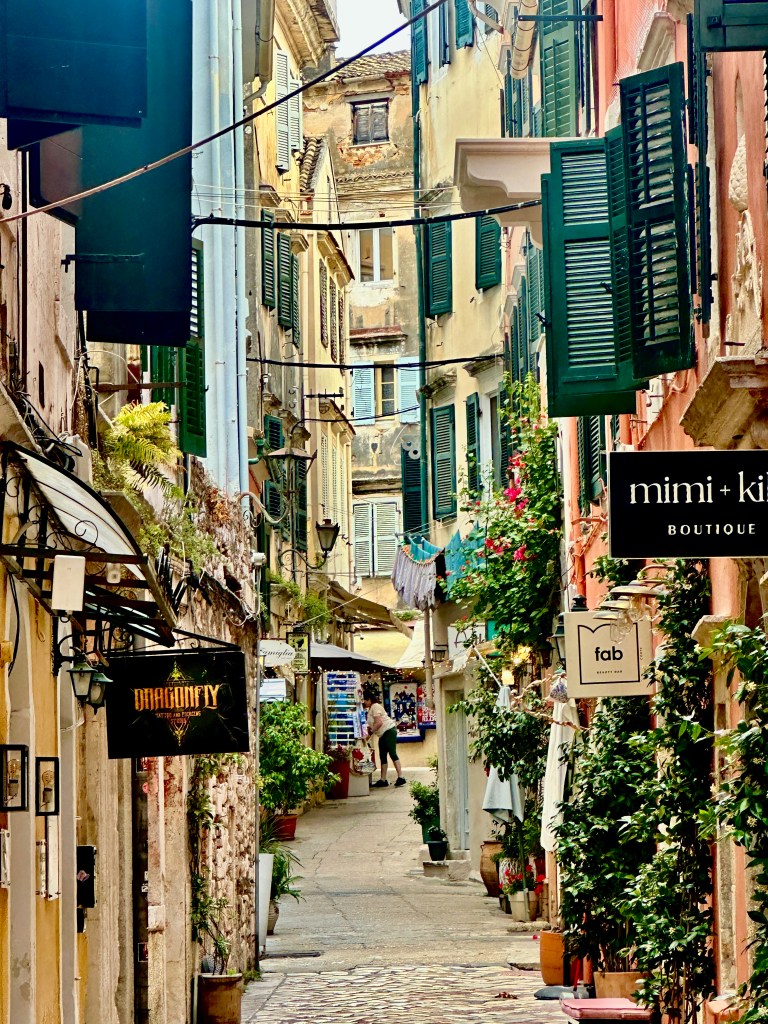
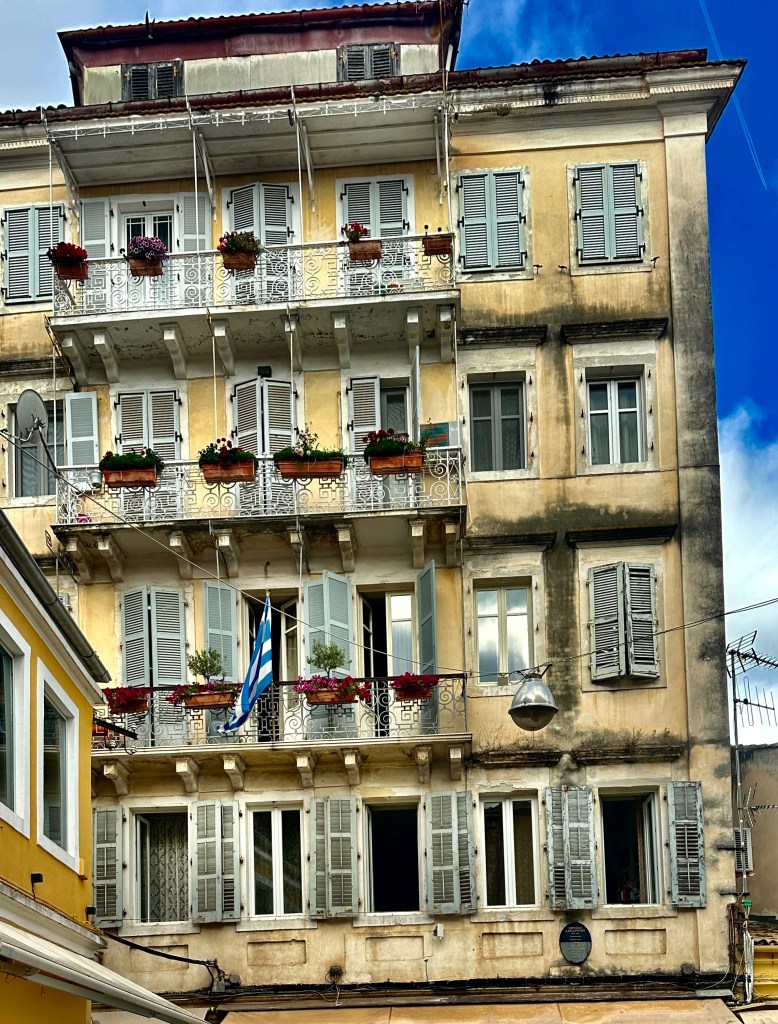
But Corfu town with its Italianate features, Greco Roman ruins, English history mashed in with its unequivocal Greek-ness is a study in Ports that have seen people and cultures passing through and staying on for millennia.
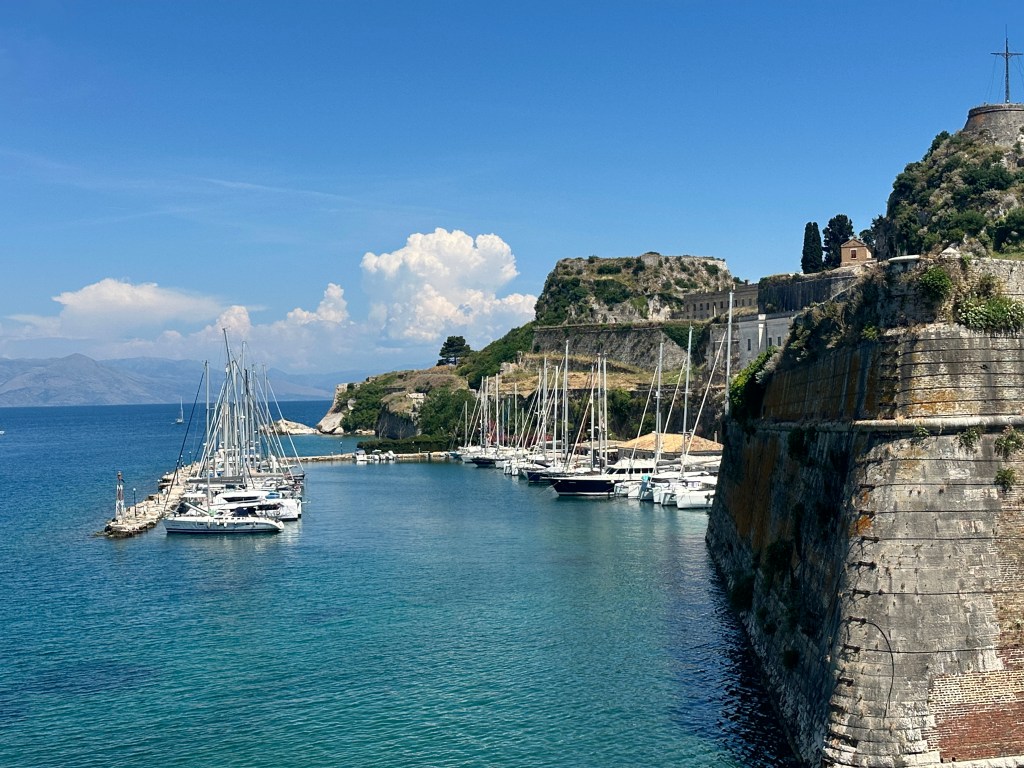
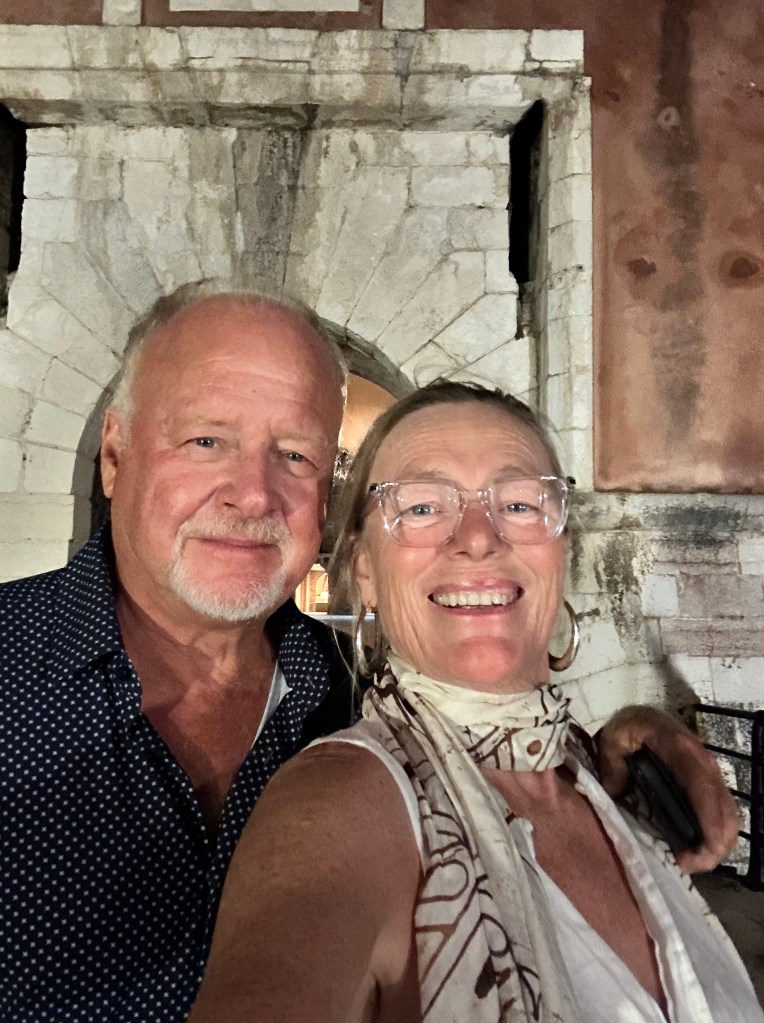
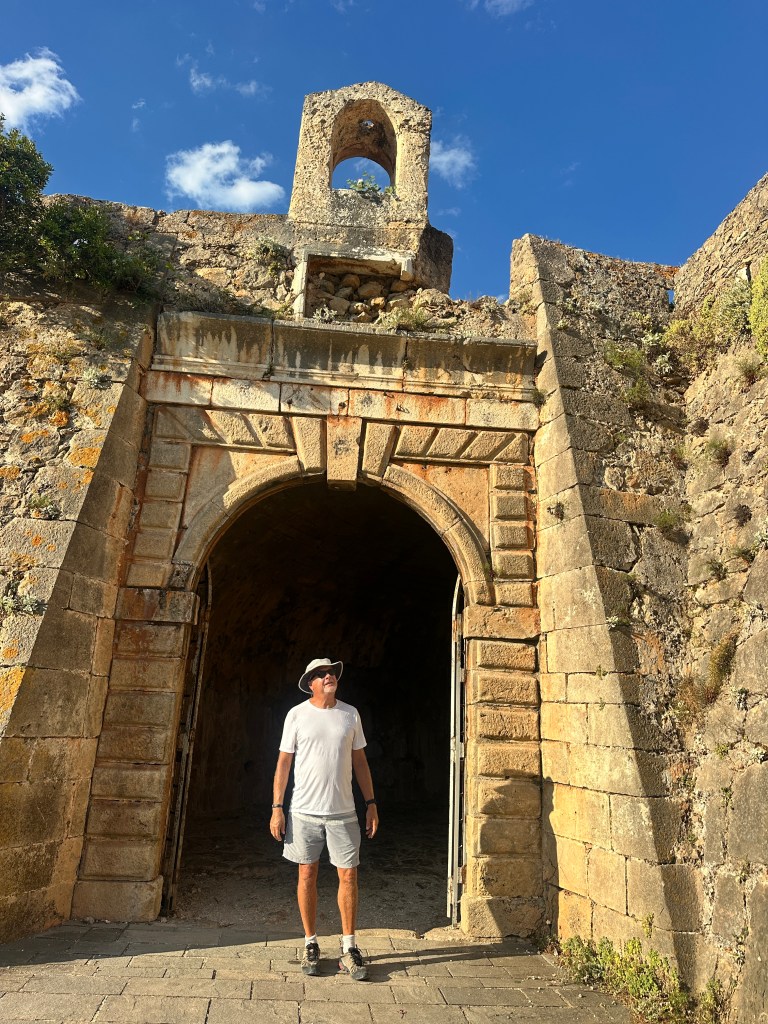
It is best seen and experienced. The marina we had booked into for a few nights is located inside the remains of the old Corfu fortress. It’s had countless iterations over the centuries but it’s always been a defensive stronghold with tall walls and a moat and many canons. Whilst everyone waited at the front gates to pay to get into visit the UNESCO monument with its ancient walls, newer barracks and hospital buildings and even a clock tower we had to take a screenshot of proof we were staying inside the walls so we got in and out for free. It was awesome.
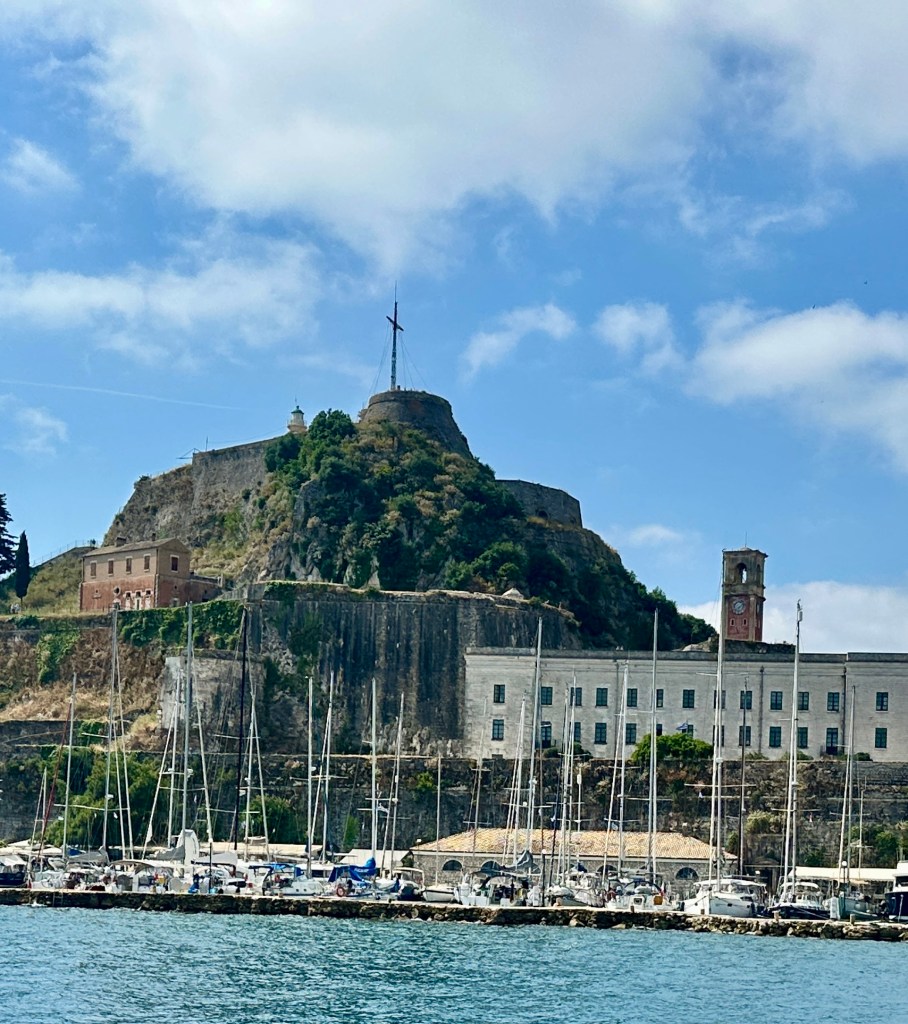
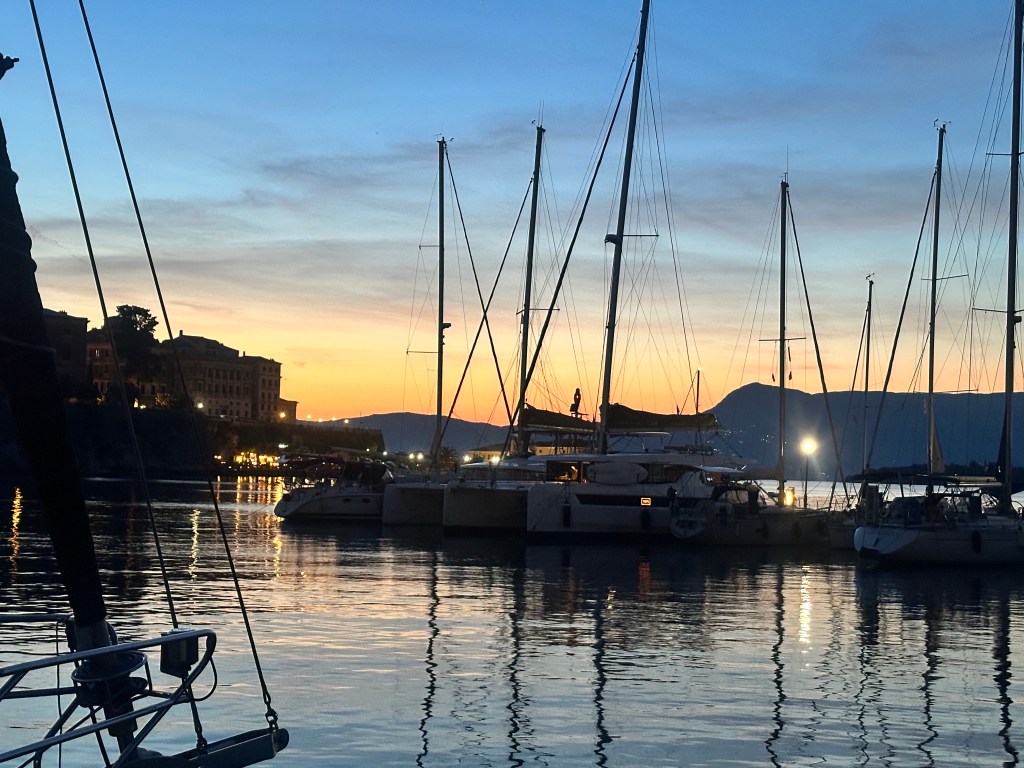
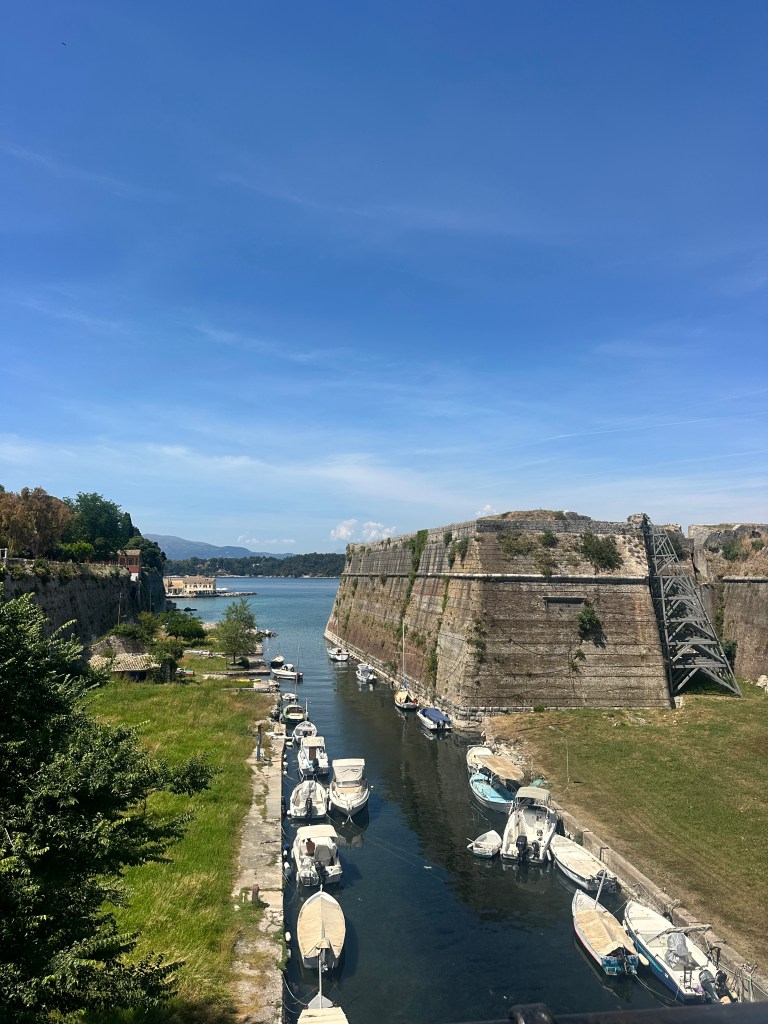
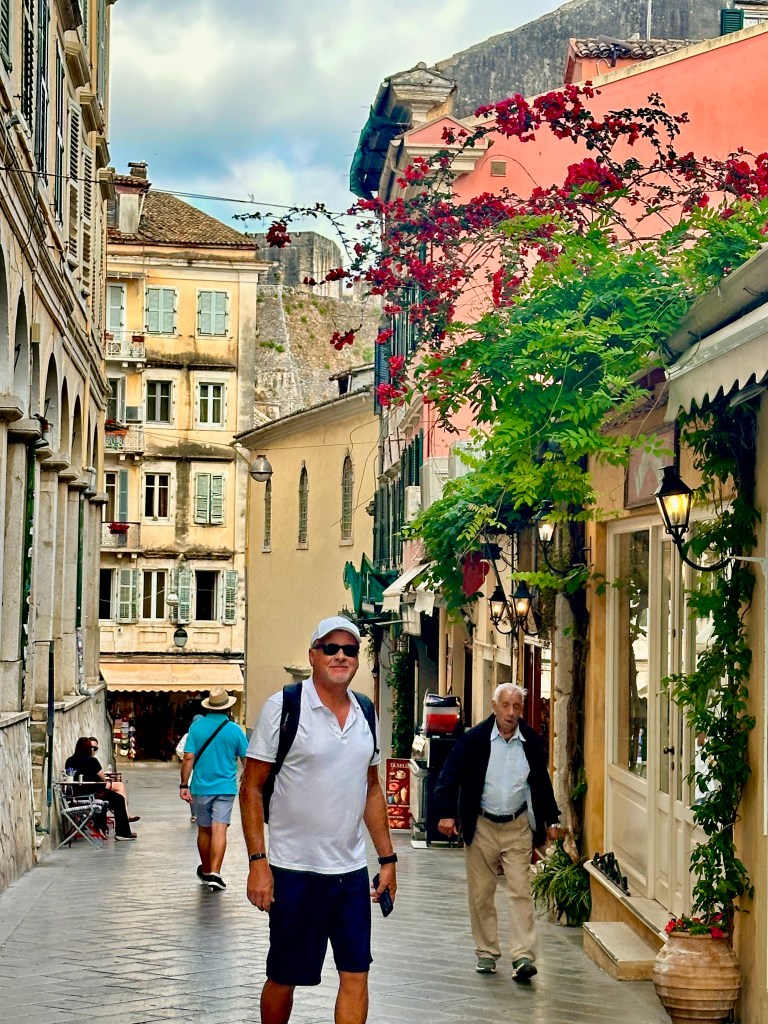
The town beyond was colourful and heavily touristed as 4 cruise ships sitting at the terminal all together confirmed but it didn’t take long to find the alleys and markets and shops that the locals go to – just beyond the well trafficked tourist routes.
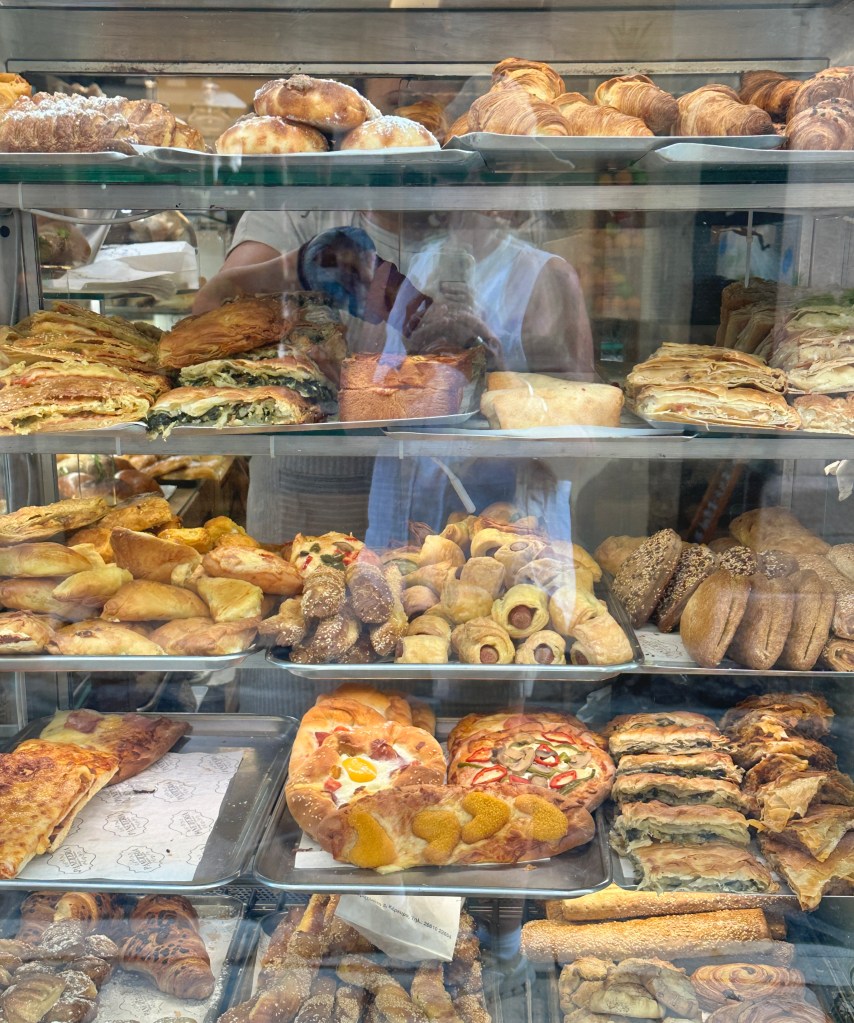
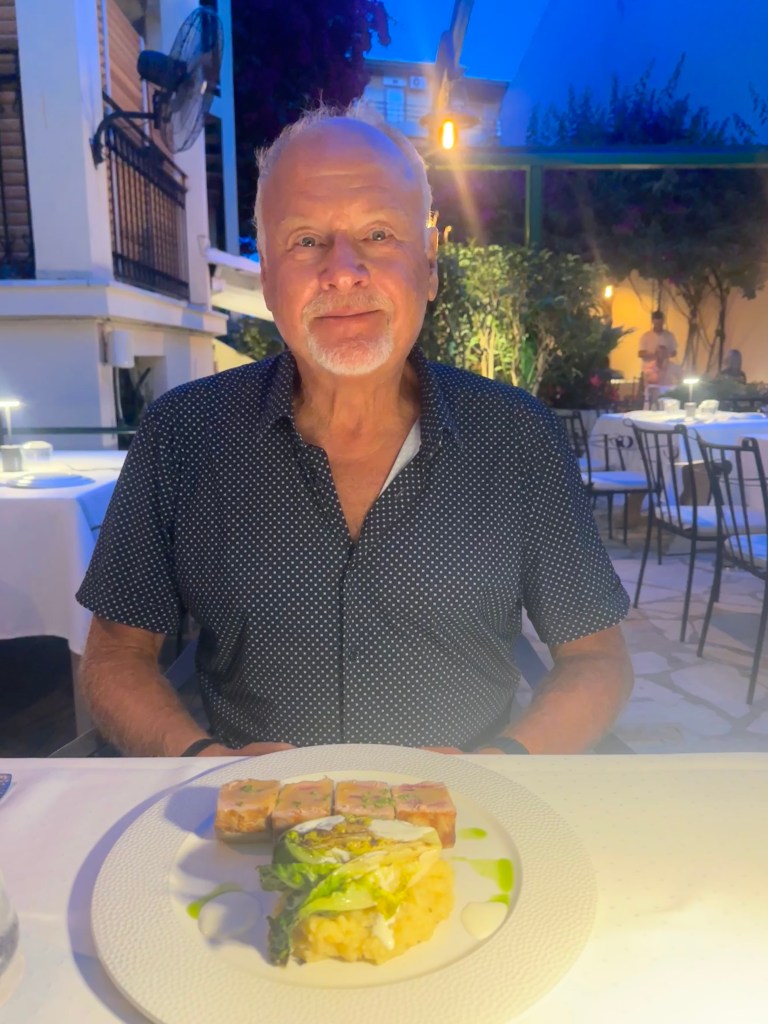
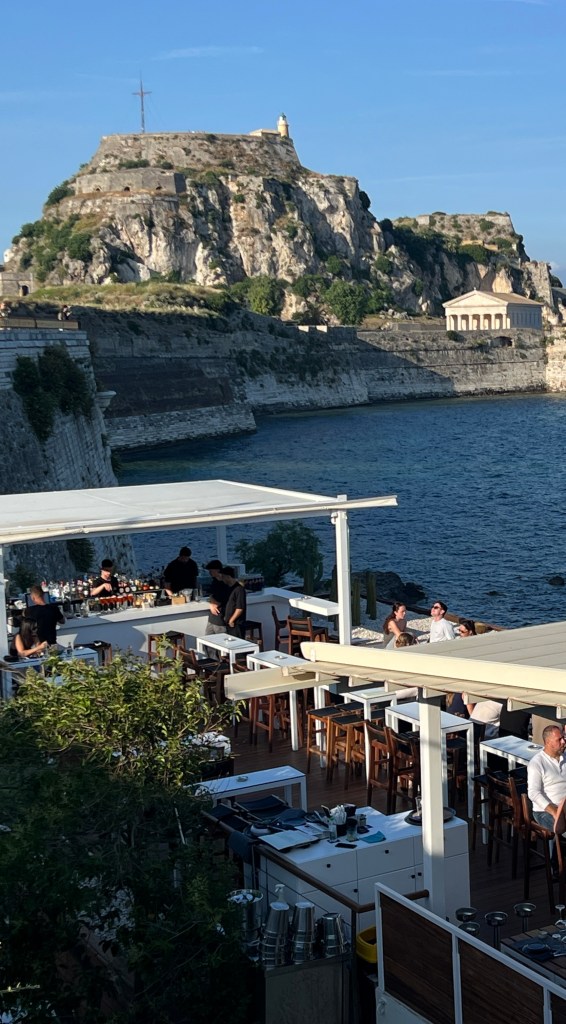
The bars are great and the restaurants are often a fusion of Greek and Italian, the shopping interesting and the pastries enticing. Real sourdough bread is the cheapest in the world so far coming in at 1.70 euros a loaf.
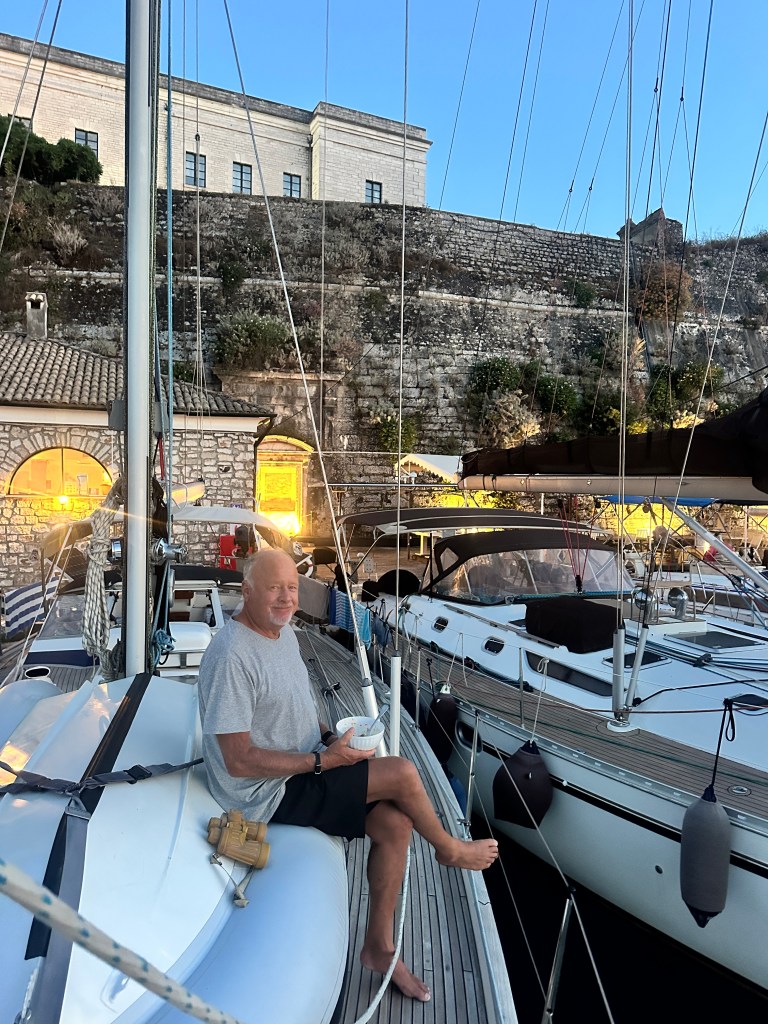
Perhaps the loveliest experience we had was sitting on our boat listening to the sounds of the University conservatorium that was located inside the old fort right above us. The delicate classical piano floated down to us perfectly in harmony with the environment. As I was foraging for caper berries from the plants growing out of the ancient stone walls I heard at various time a jazz band, a vocalist, a drummer, and a piano coming from the music rooms. There were printouts on the doors saying only music students were allowed to enter and I’m sure we weren’t the only people who would have been drawn inside for a sneaky peek at them if there wasn’t a sign. We later met a very sweet part time waitress who was there at the Conservatorium studying flute telling us she had major exams the following day as the end of semester was approaching which explains why the standard was so flawless I guess. Apparently and unsurprisingly, it attracts students from all over Greece. She was from the north beyond Thessaloniki.
In the Ionian it is important to watch the land and sea temperature as well as the wind as this part of Greece is known for it’s ferocious thunderstorms. Early in the season it is less likely to get dangerous ones (for yachts) but not impossible. It’s usually later in the year when the water temperature rises but nevertheless we wanted to be well out of the region before that became more of a risk. However, thunderstorms are unpredictable and it came as no surprise to hear that at the end of June, 3 weeks after we left, there was an intense afternoon storm that blew through Corfu grounding 3 boats and doing damage to the island and the nearby coast.
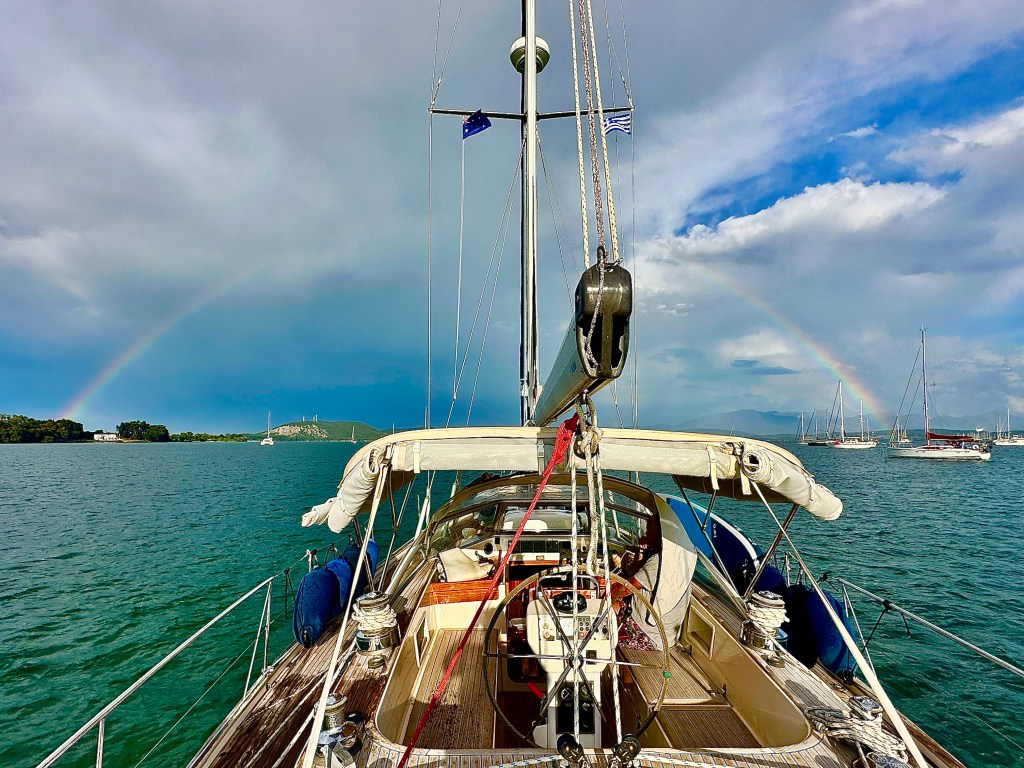
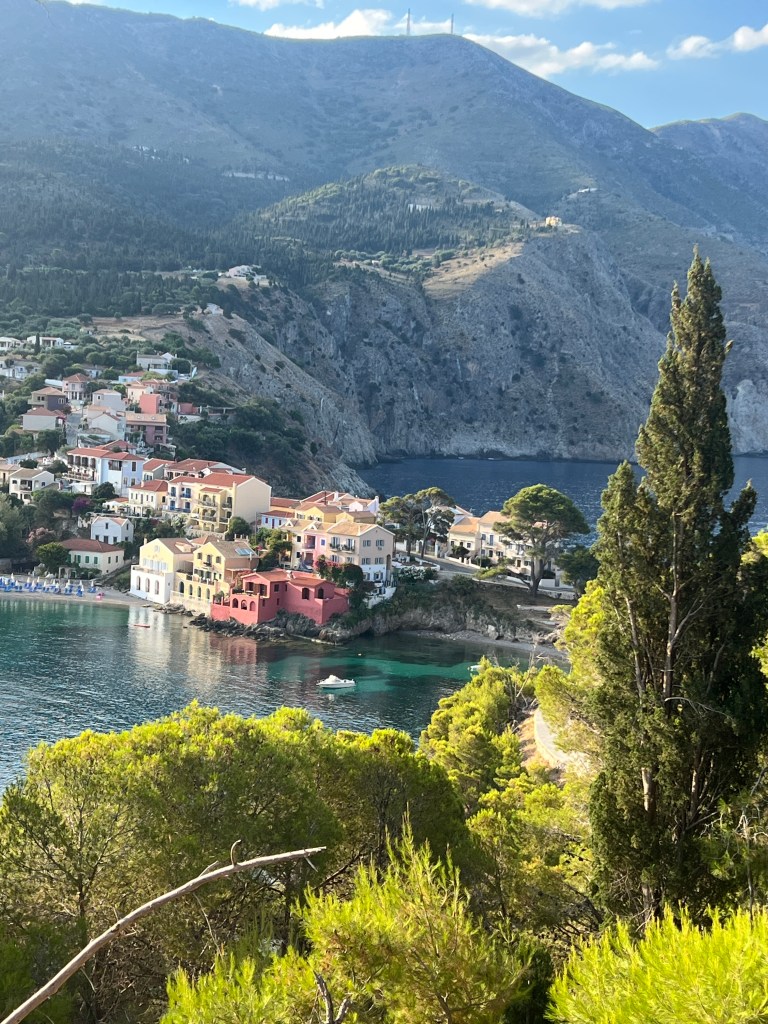
So, this was one of the reasons we decided to begin our journey back towards the Eastern Aegean. We asked ourselves where did we want to visit that we’d missed or hadn’t spent long enough exploring and planned a route back through to the Gulf of Corinth based on that. More time in Paxos, a visit to Antipaxos, Sivota on the mainland, Vathi on Meganisi, Kioni on Ithaka, Assos and Vassiliki on Kefalonia before a final stop in Galaxidi and then onward to the Corinth Canal. All of these places were absolutely gorgeous and totally worth visiting, so much so that we are already contemplating return visits next season.
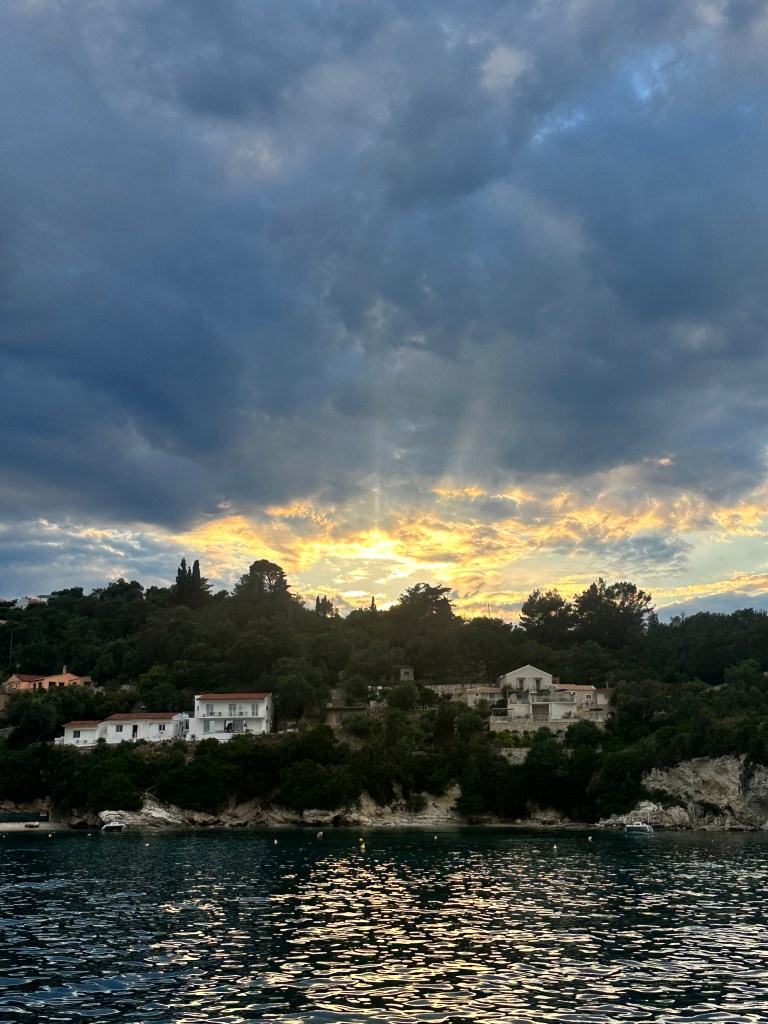
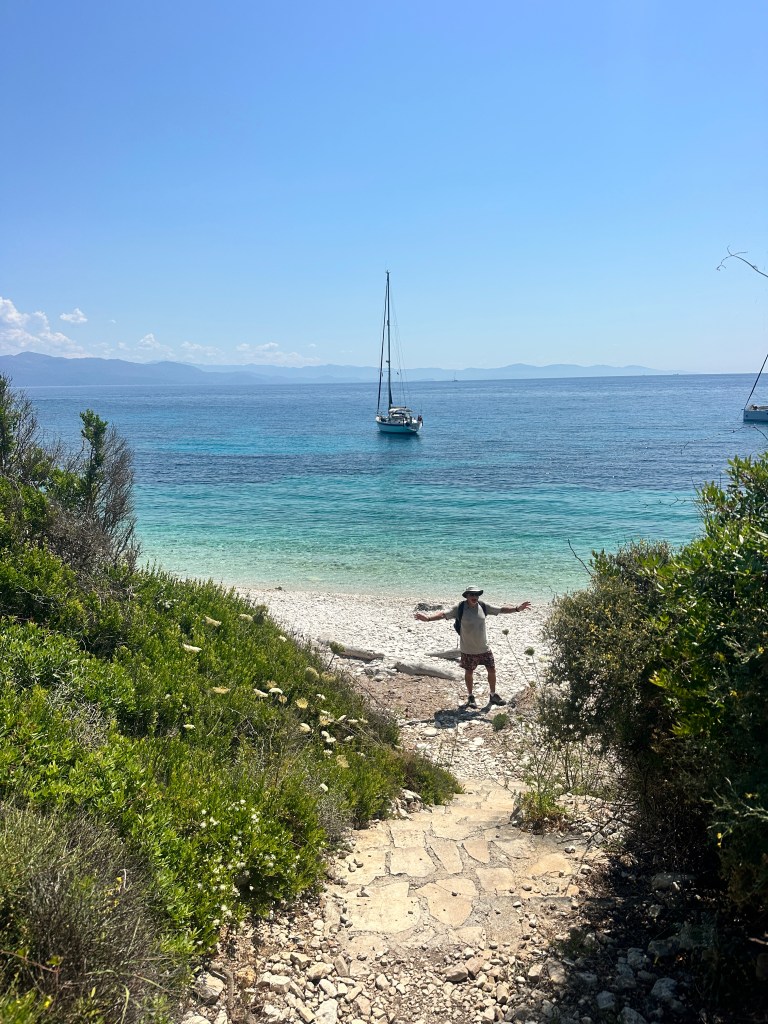
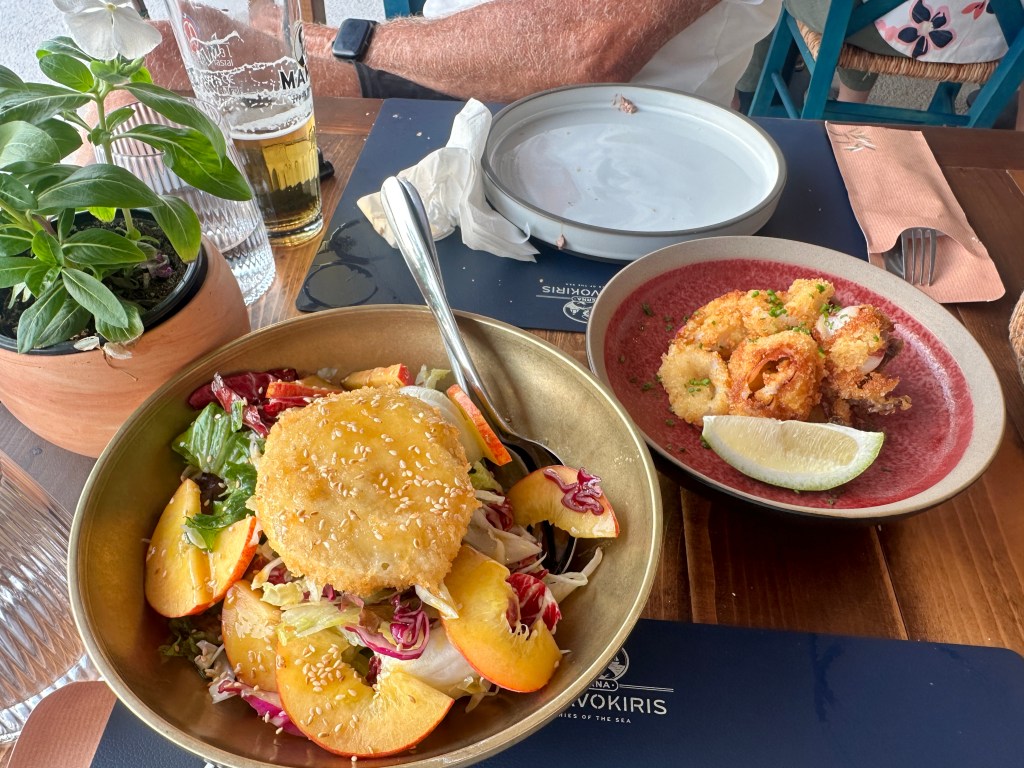
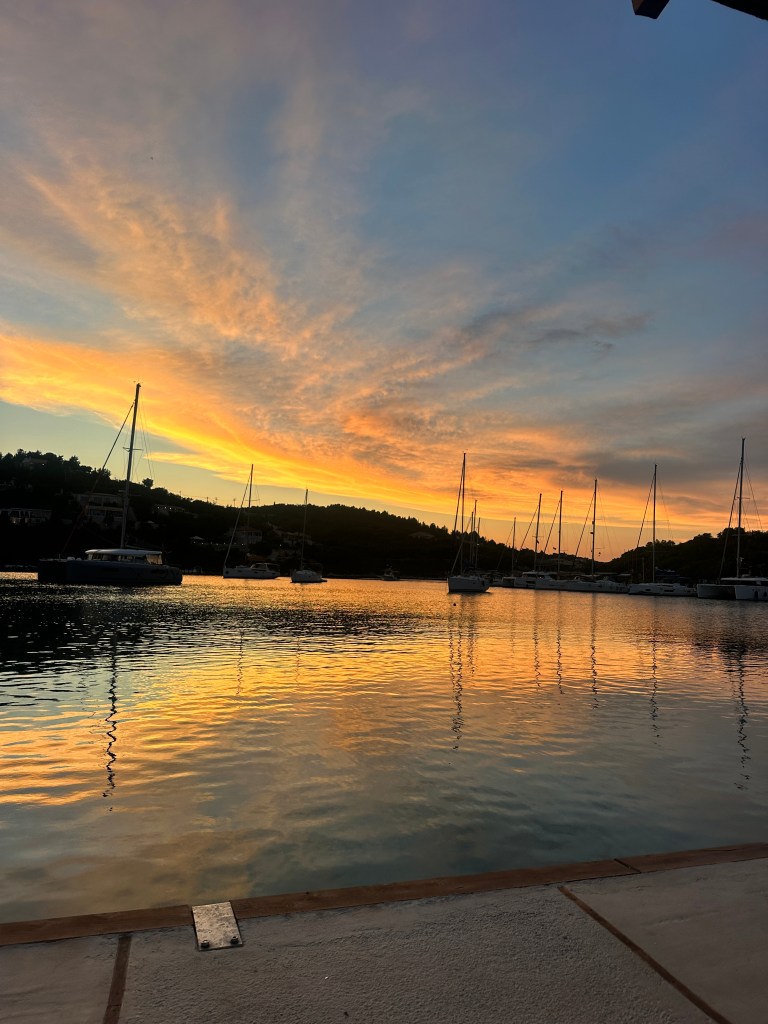
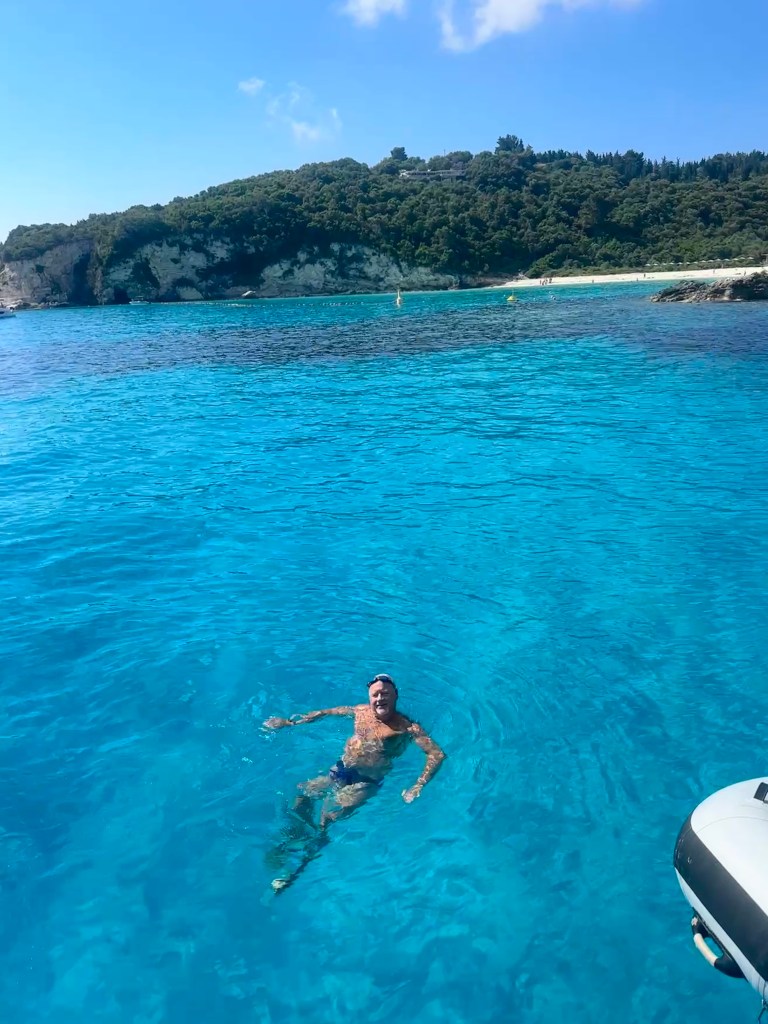
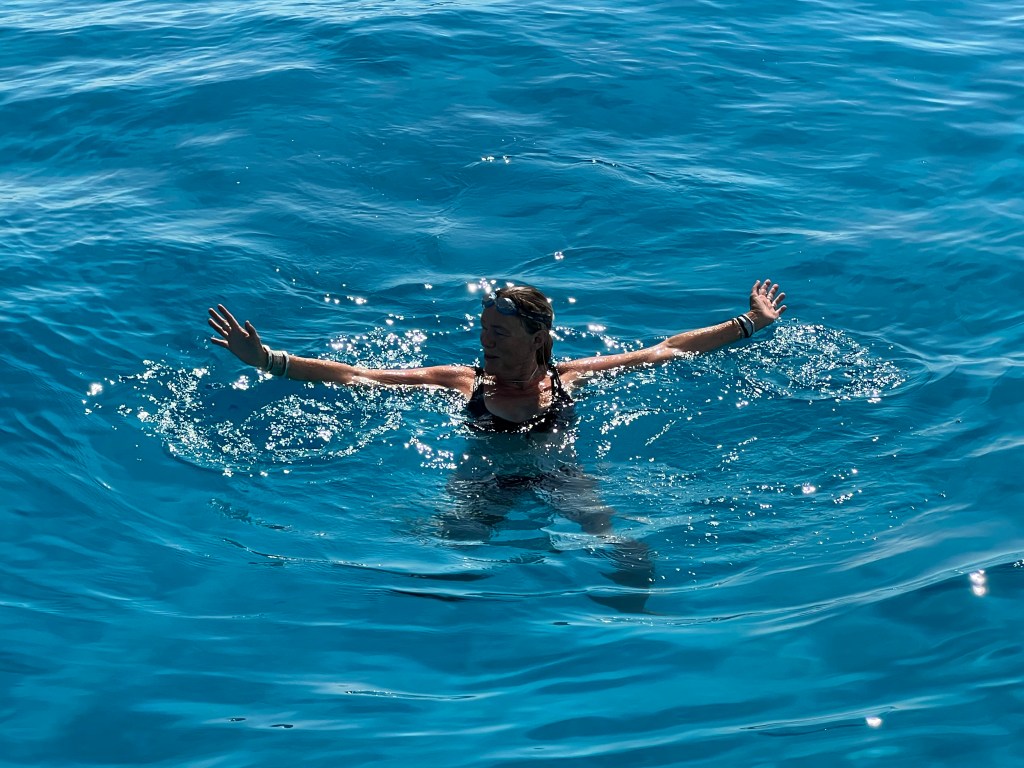
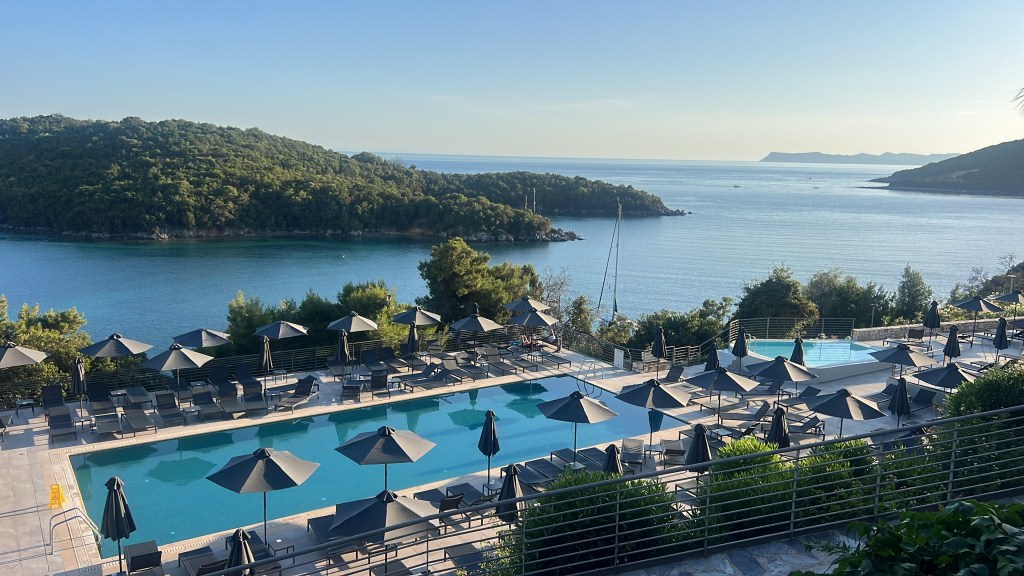
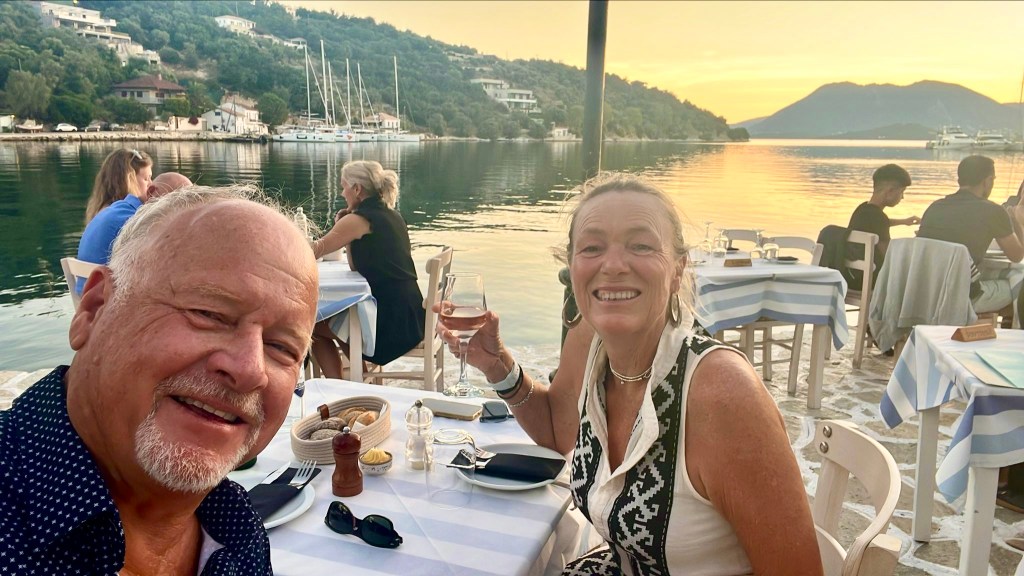
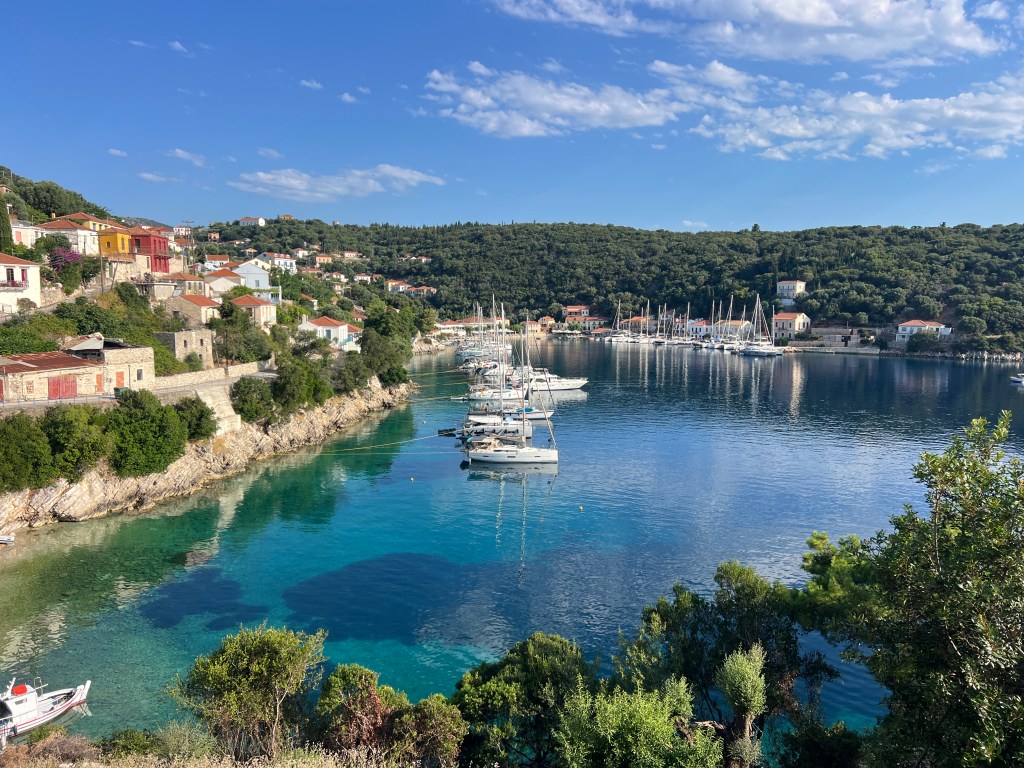
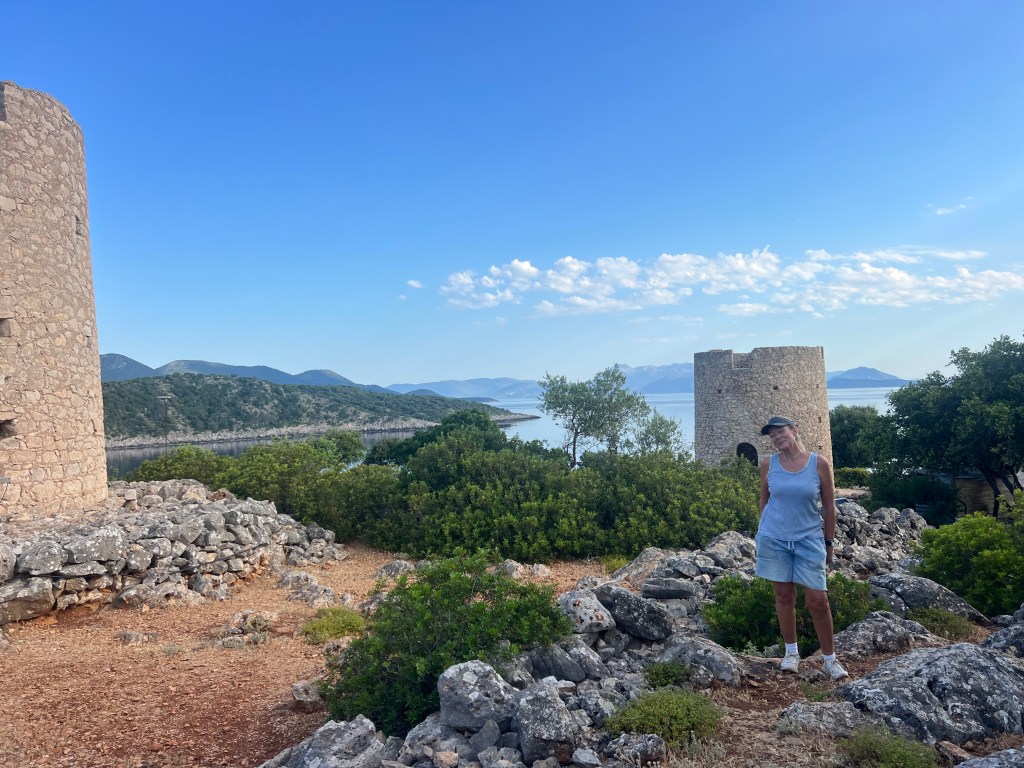
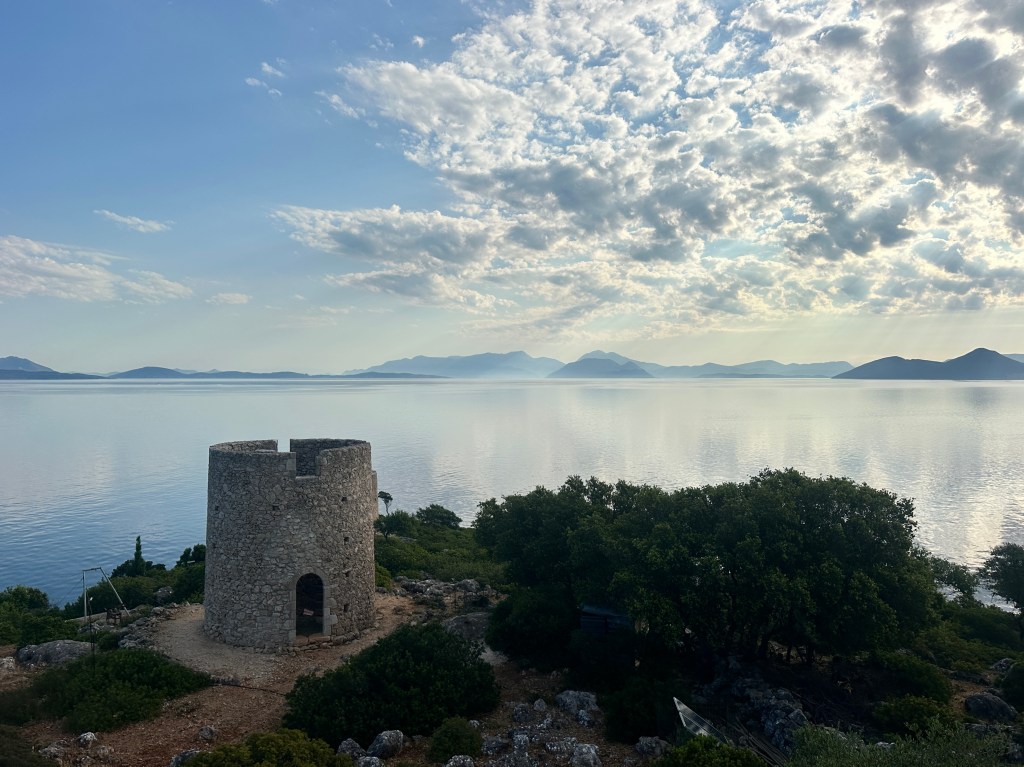
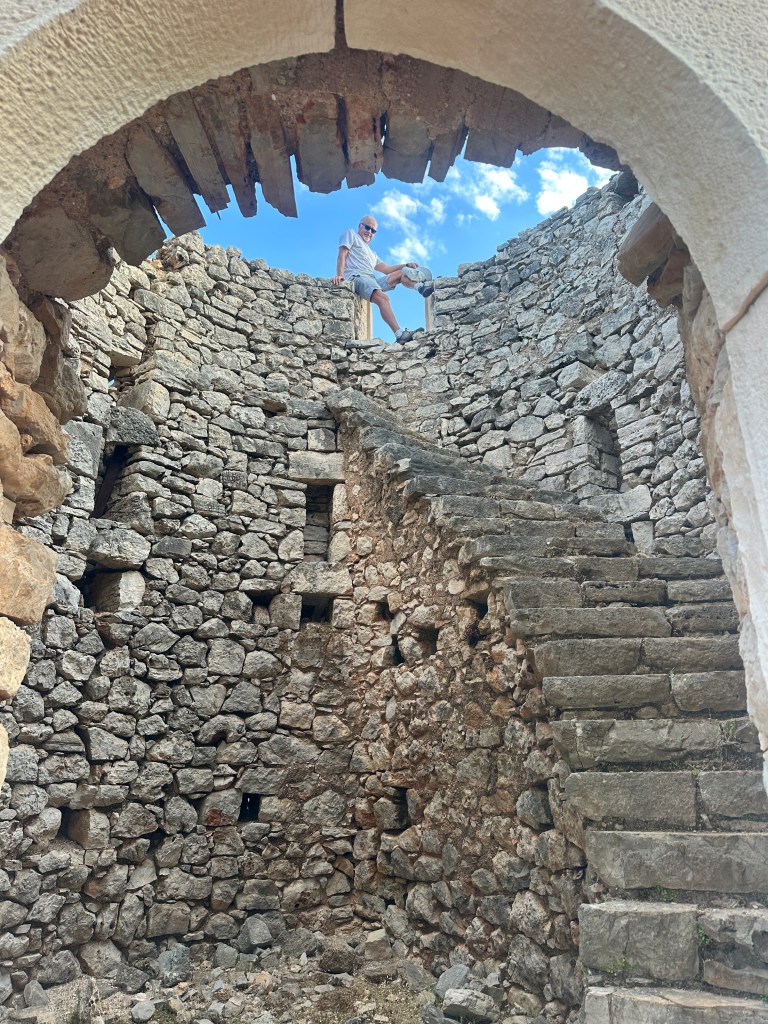
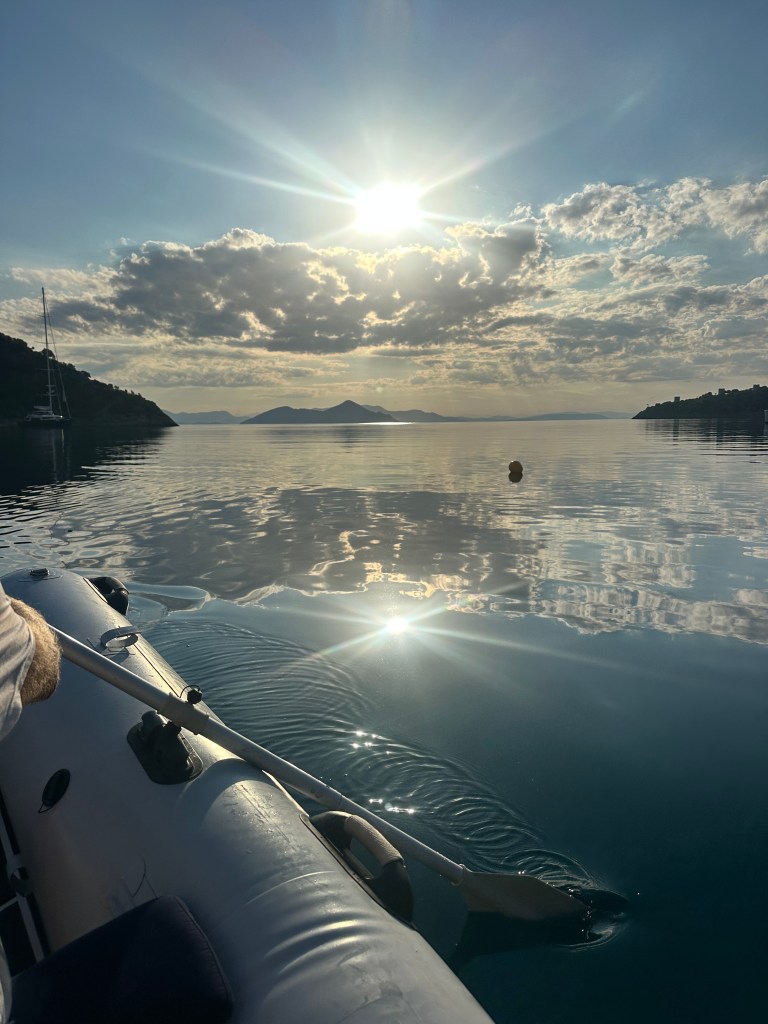
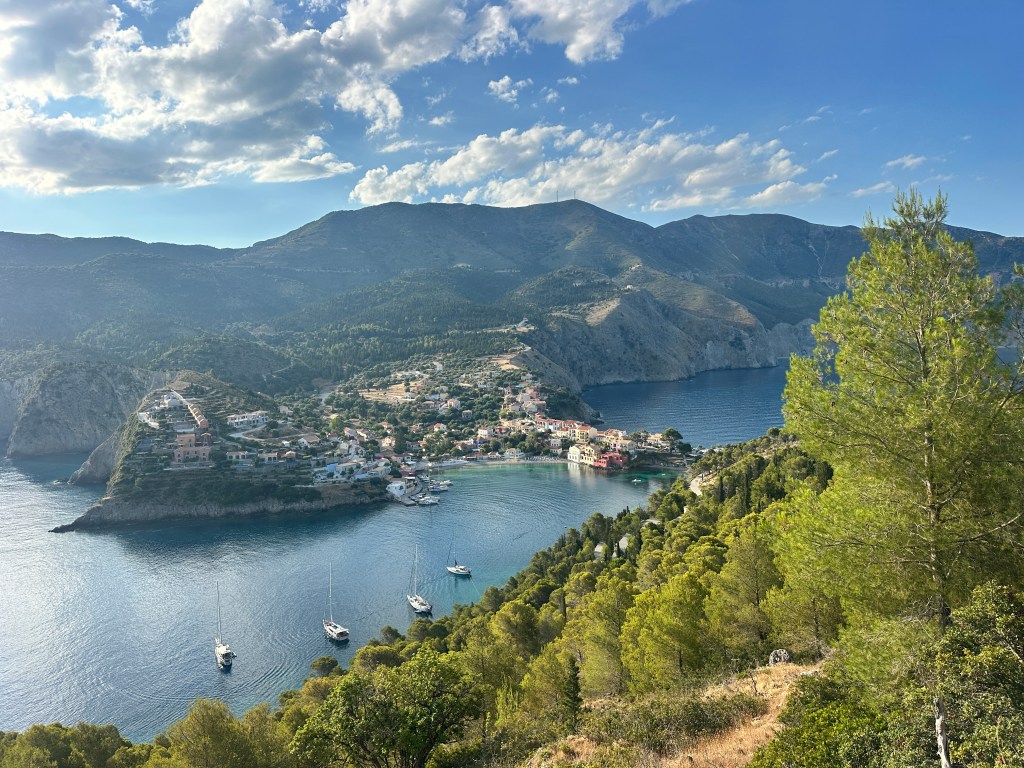
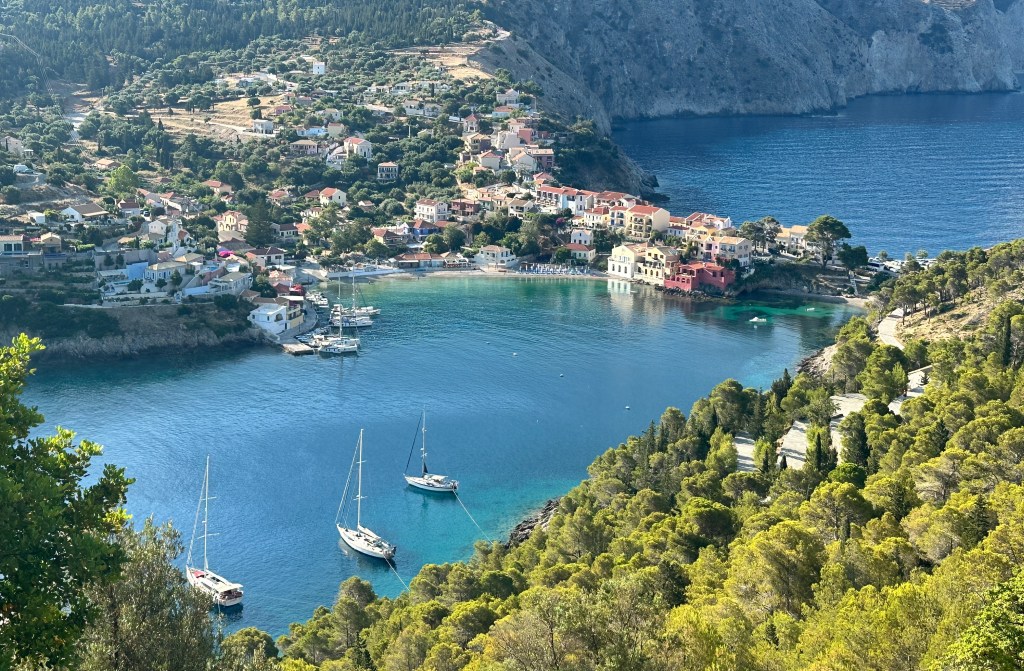
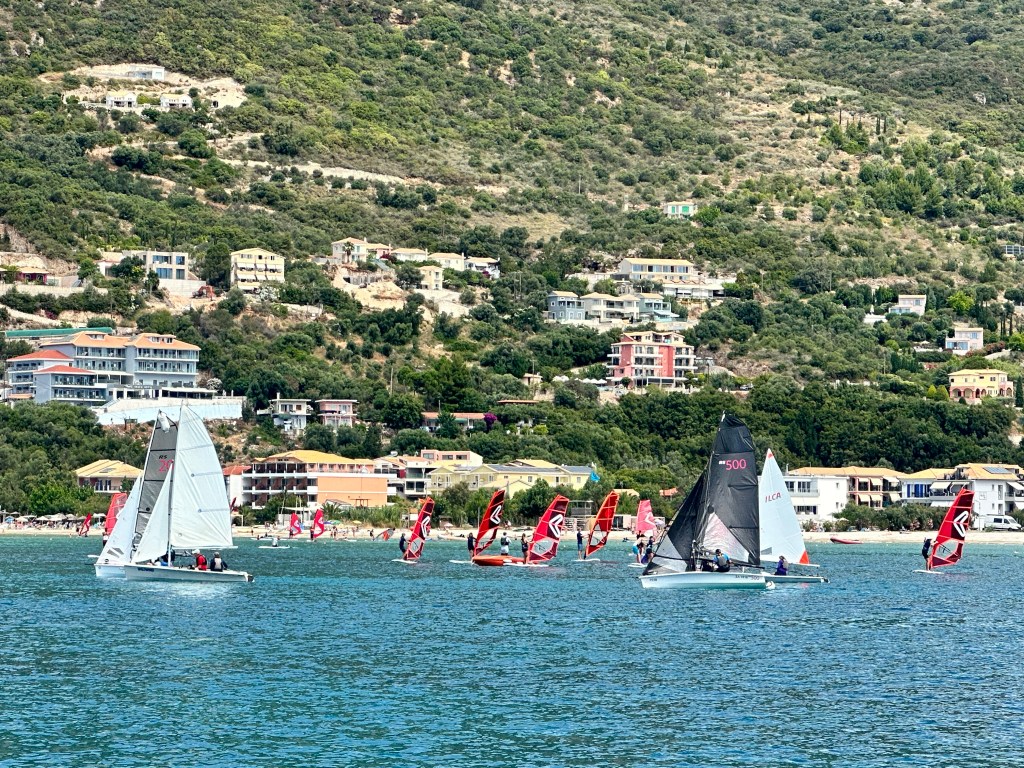
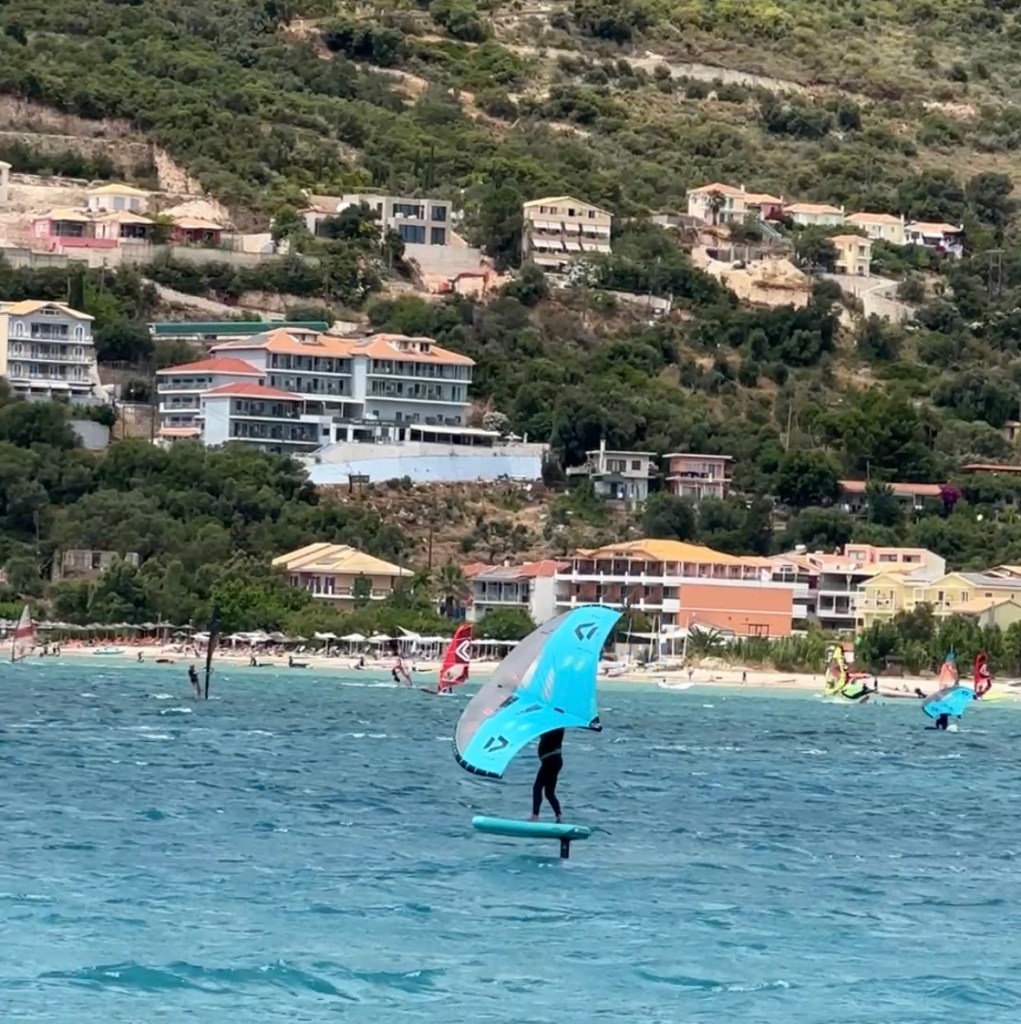
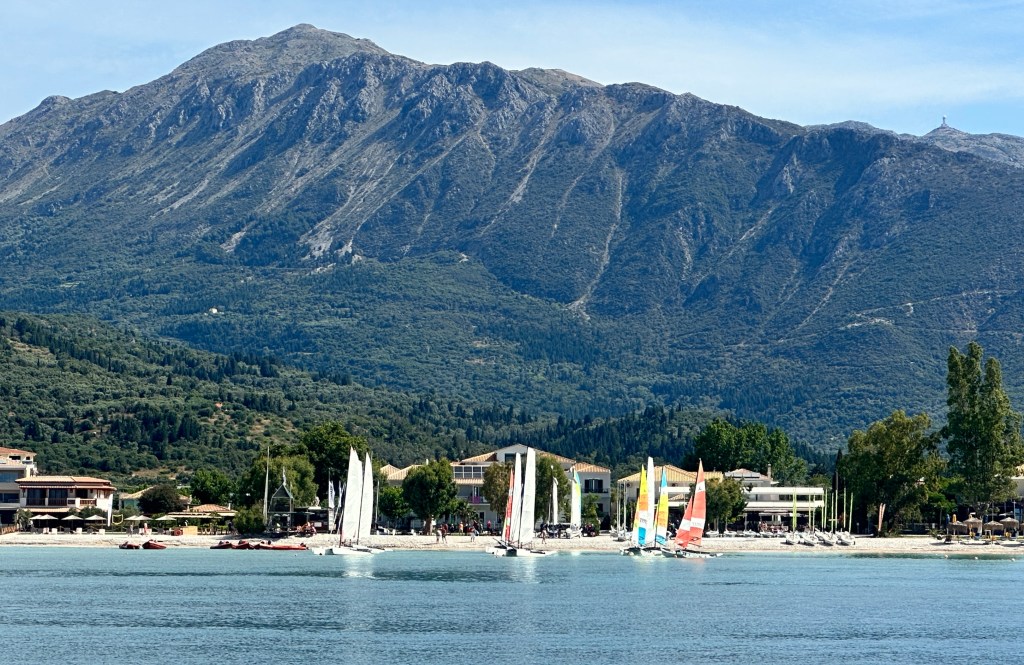
A standout during this time was a place called Vassiliki, a world renown hub for water sport,in fact the largest in Europe. You can probably guess why we went there. Usually when anchorages are great for wind surfing or wingfoiling it’s because of good steady wind and flat seas but the wind is often blowing all the time, even at night and can feel a bit unrelenting. At Vassiliki, a bay on the southern coast of Lefkada the mornings break with perfect stillness. People swim and SUP’s are out and all is quiet. The wind comes in about 10am and then it’s just enough for all the learner foilers, windsurfers, Hobie Cats and dinghys to get out and have a fantastic time. By 3pm the sea breeze shoots down from quite high hills to the west of the anchorage and then it just increases until about 8 pm when it drops back off to nothing so you can head inshore in the dinghy for a sunset drink without being drenched. Perfect! We met some lovely people and Rick had some great sessions on his new board. He even bought a small second-hand wingsail to complete his collection and manage the stronger than expected winds. But it was also just a fantastic spectacle. To see windsurfers and foiling windsurfers and wingers racing back and forth like colourful butterflies was such a great sight. And boy was there some amazing talent with people on foiling boards doing somersaults and incredible tricks. The town was authentic and charming too. And best for me was that because of the sheer numbers there were four rescue boats on patrol all the time which meant I didn’t have to be constantly on watch. That and no jet skis or speed boats towing “Extreme Sofas”.
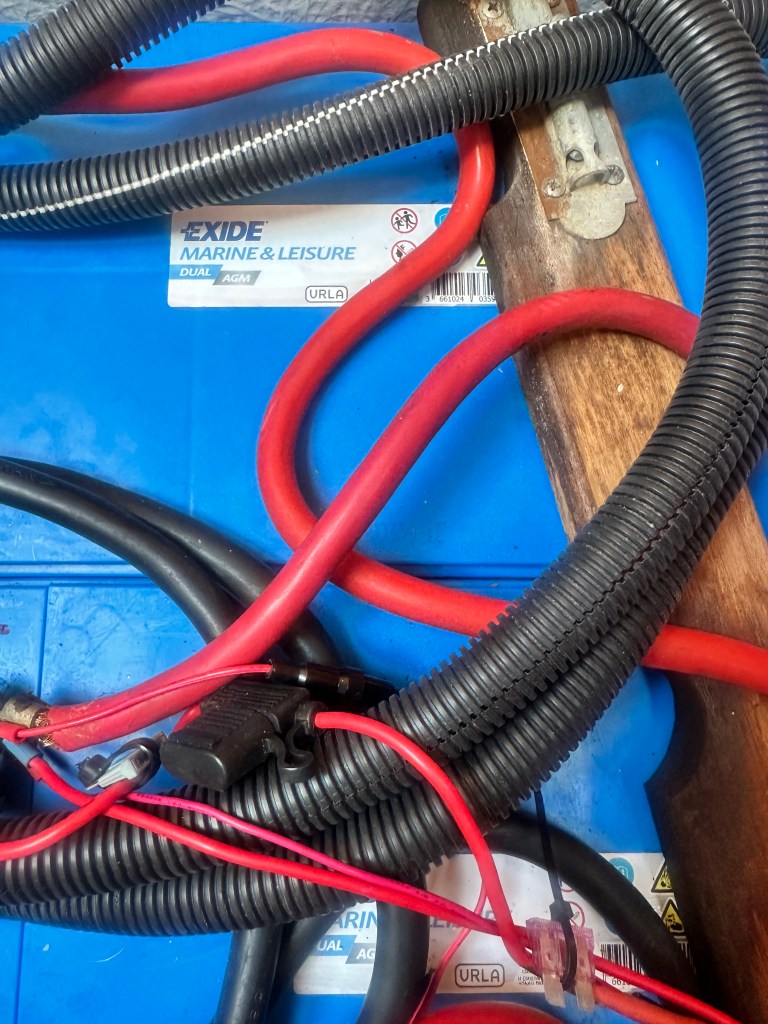
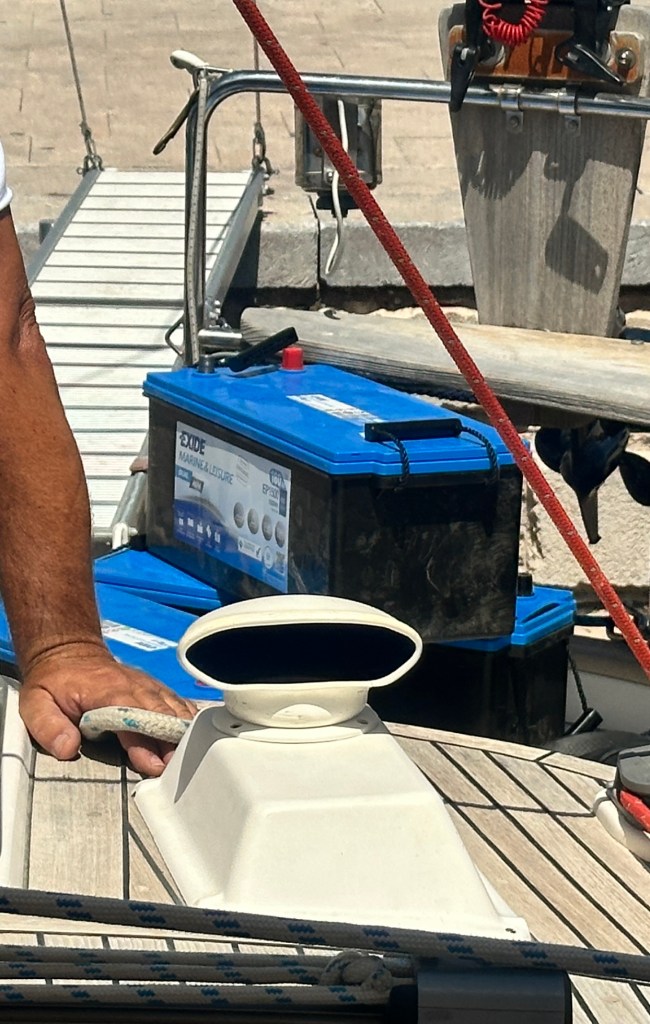
We stopped for 5 days in Galaxidi to take a breath and to replace our batteries as they were cooked, an unexpected and concerning state of affairs as big batteries in thermal runaway mode can easily cause a fire. We had a few nerve-wracking days whilst Rick figured out what was happening and we were very happy to find that the friendly chandler in Galaxidi could source new batteries in reasonable time, get them delivered and also enlist his son to help install them (actually it was the getting the bloody heavy old ones off and new ones onto the boat and down to their home under our bed that was the hard part). We were very grateful we didn’t have to ‘limp along’ with them until we made it to Athens.
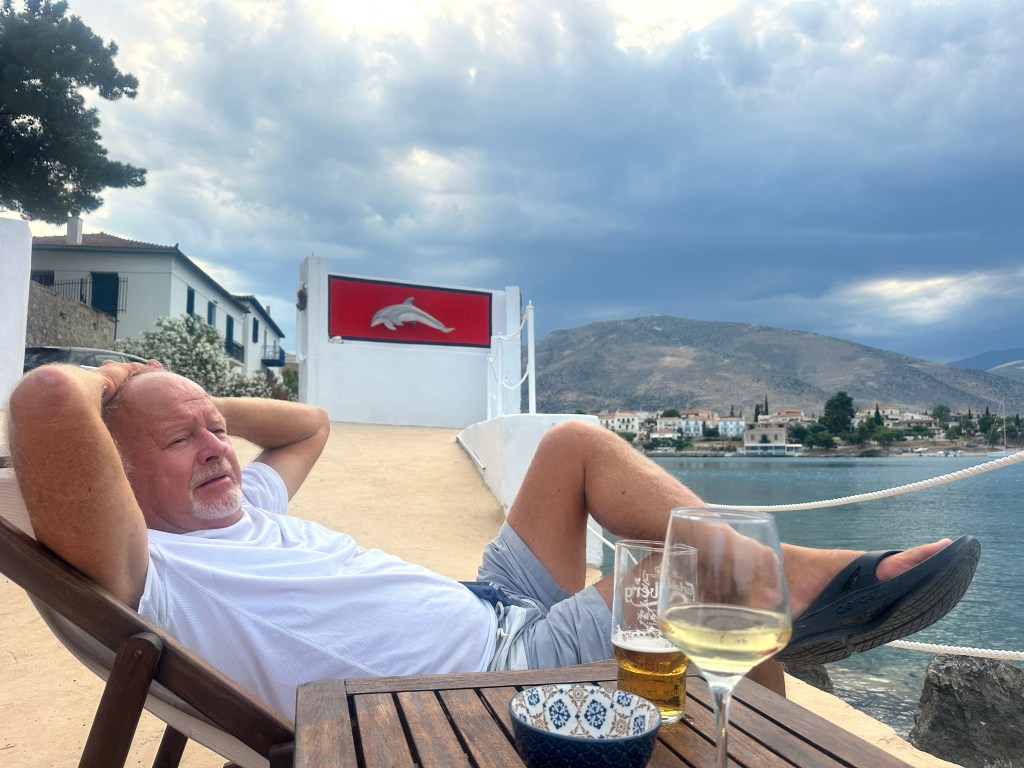
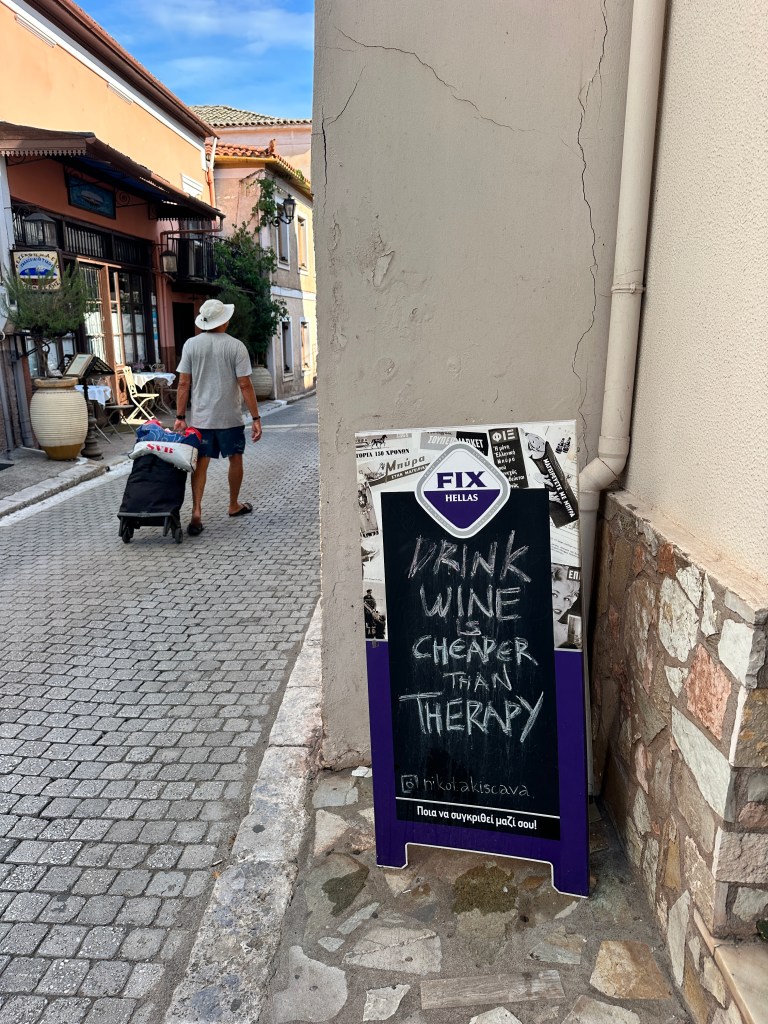
Galaxidi is a really lovely spot. It’s close to Delphi so gets a bit of tourism and lots of yachts as it’s the last safe and easy town quay before the Canal. The kindness of the people and the typical friendliness we experienced in this regional town is one of the things we most love about Greece.
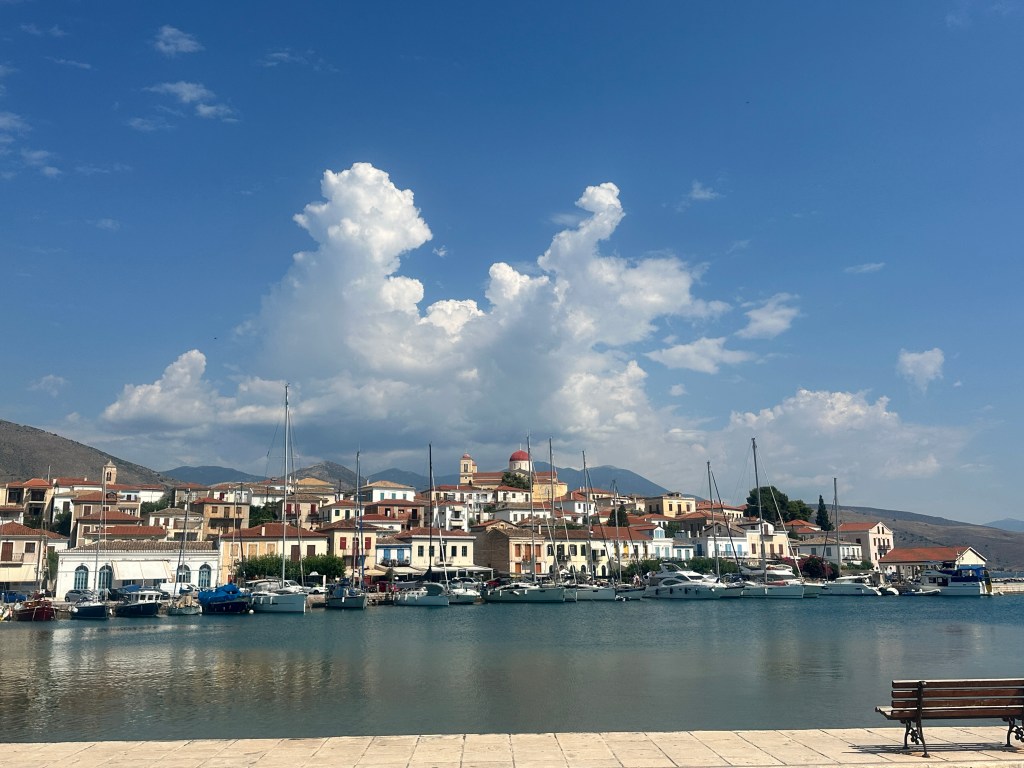
Galaxidi
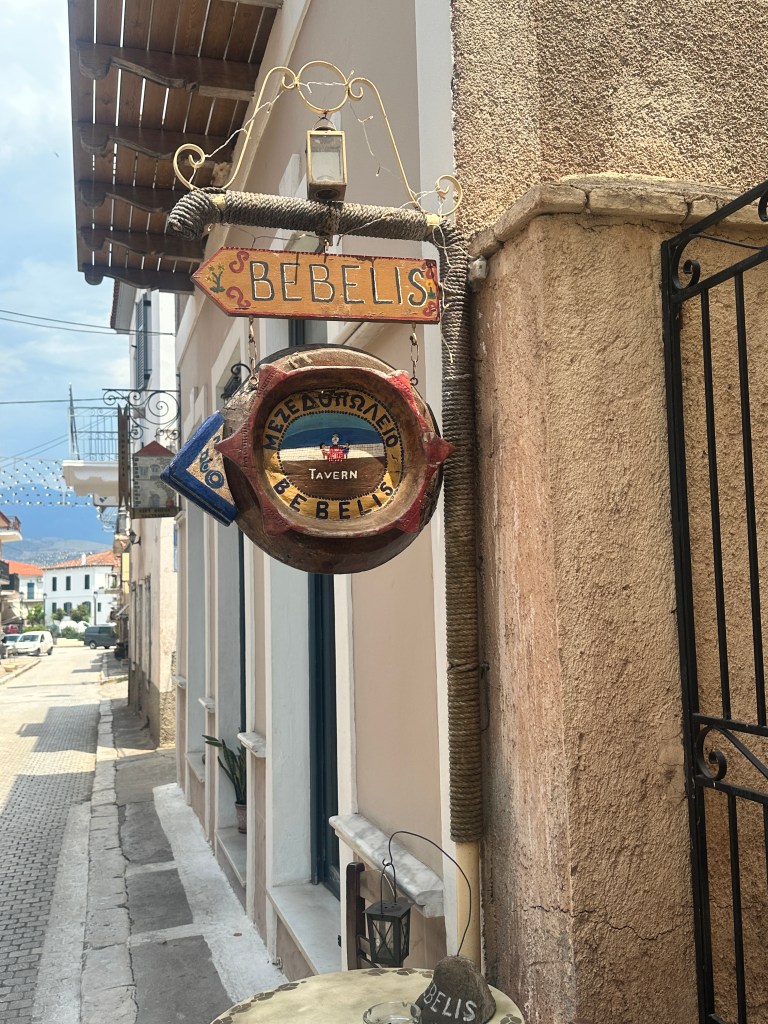
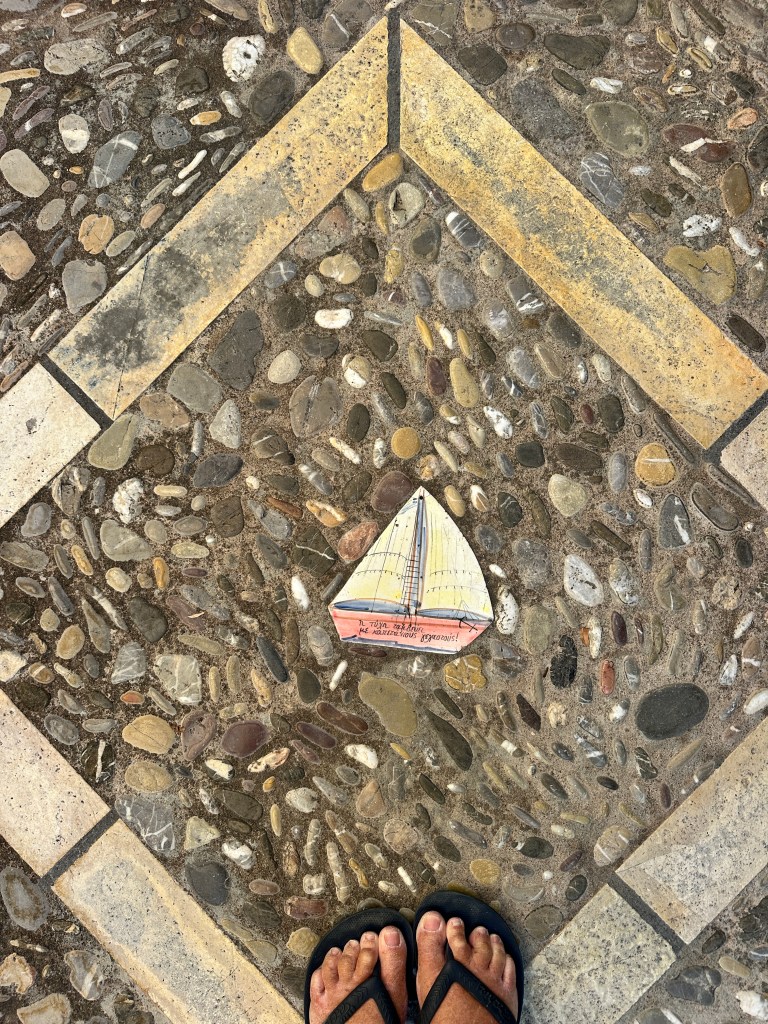
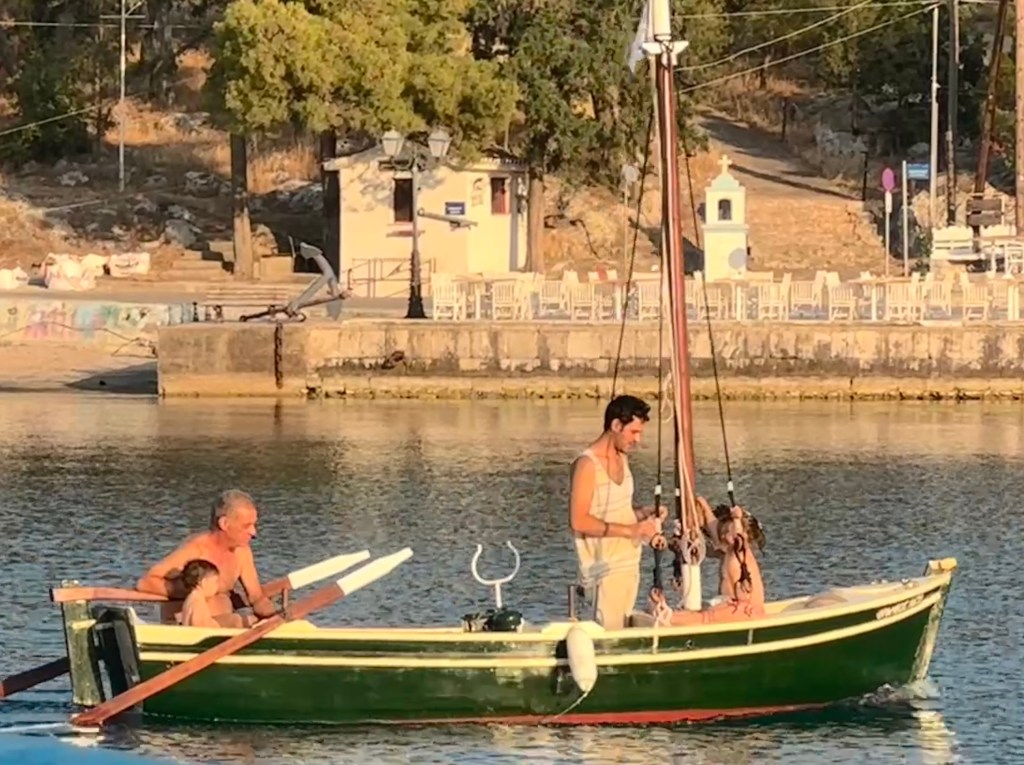
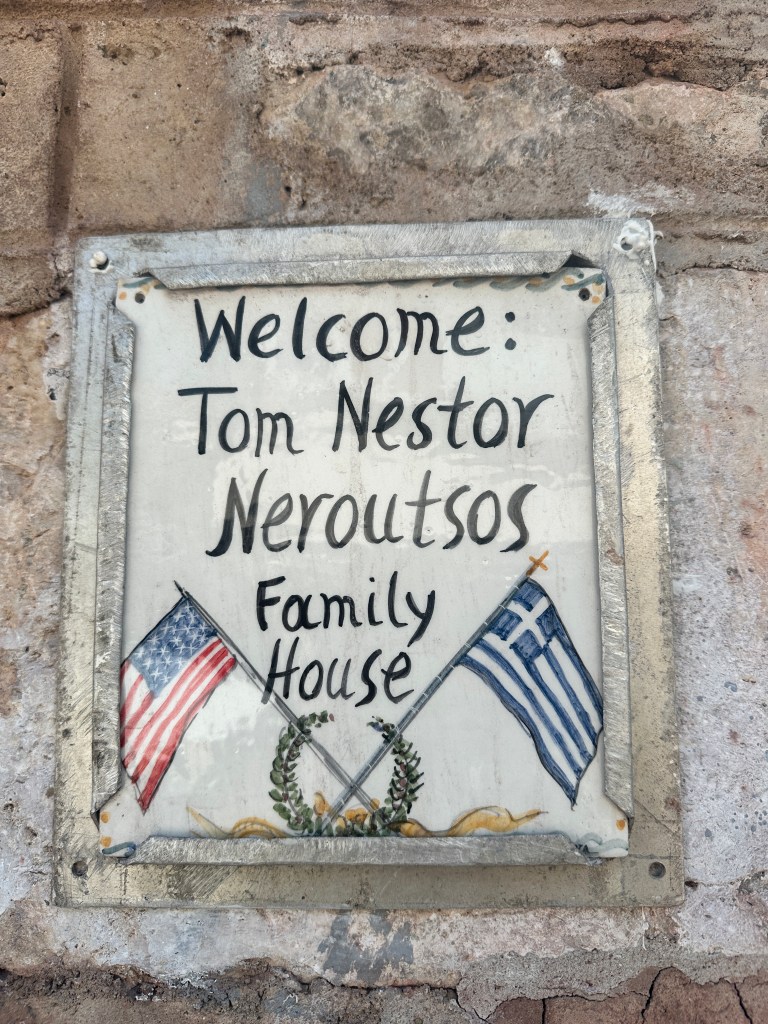
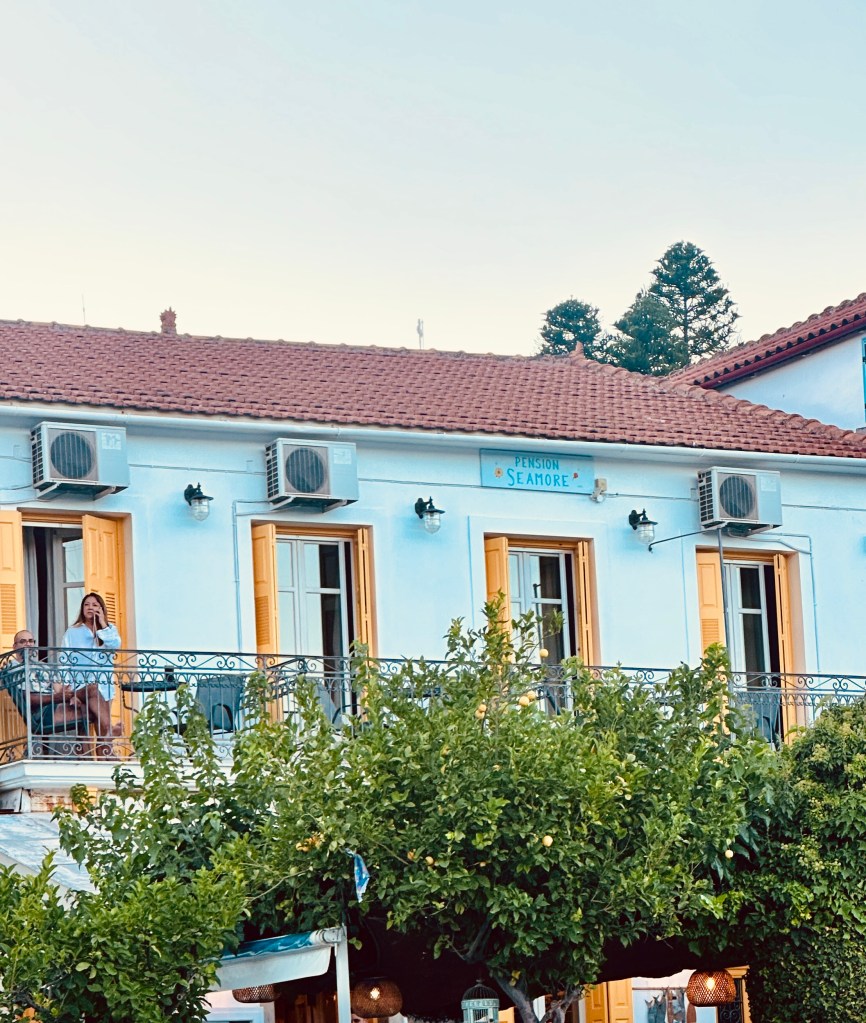
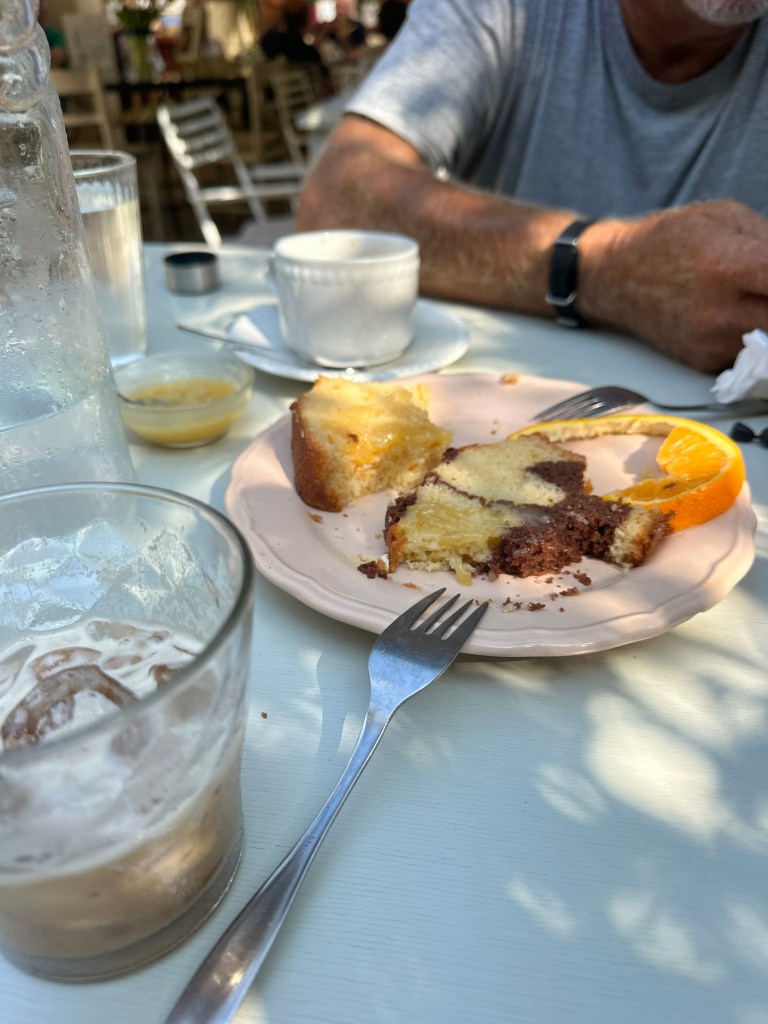
All of this region had been super hot for all of June and on the town quay we were both suffering. I had developed a dermatitis on my chest from a combination of heat, salt water and sunscreen which was itchy and uncomfortable. So we hired a car for a day and relished just the simple joy of air-conditioning and getting up into the mountains where it was at least 10 degrees cooler. What a relief!
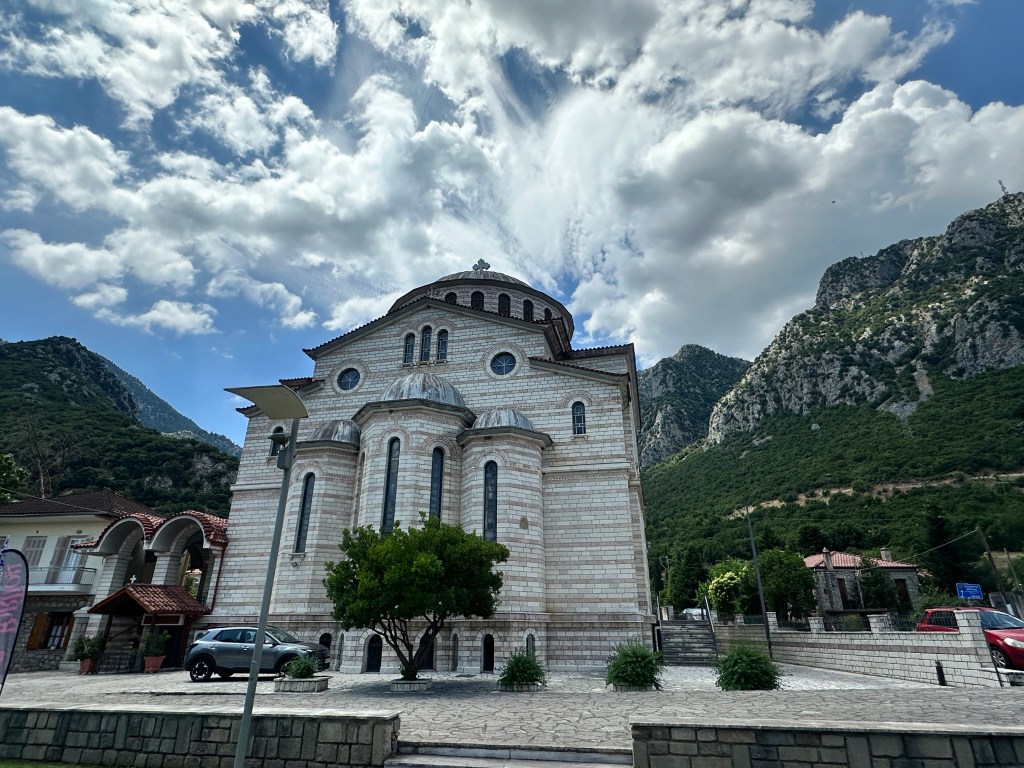
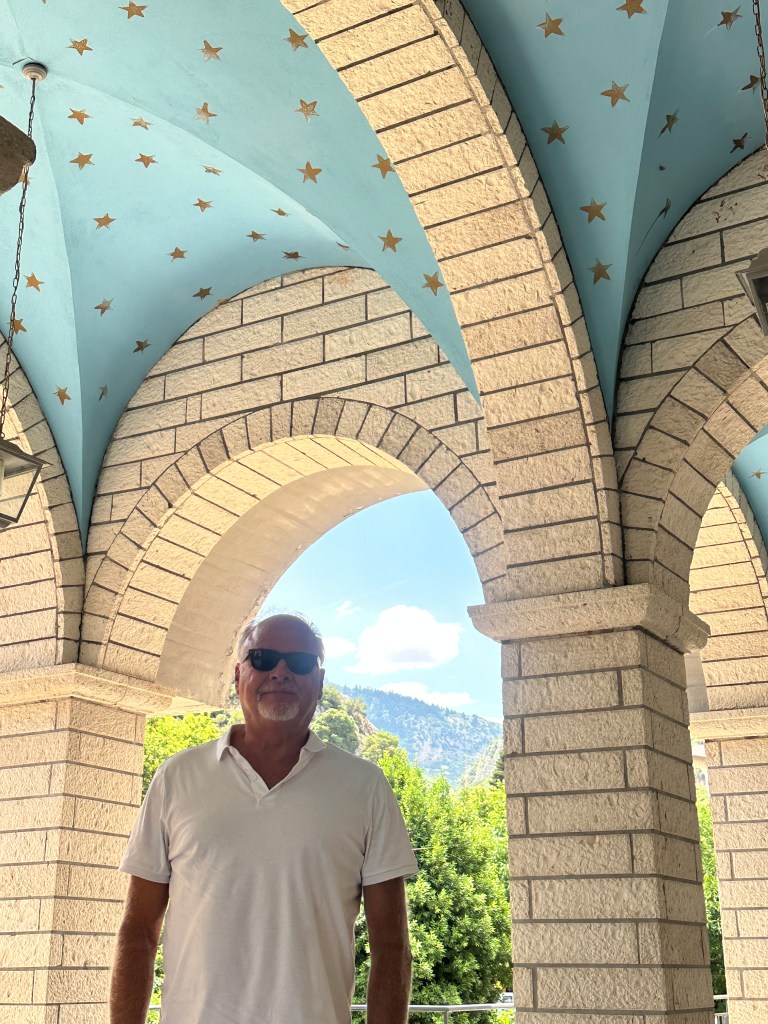
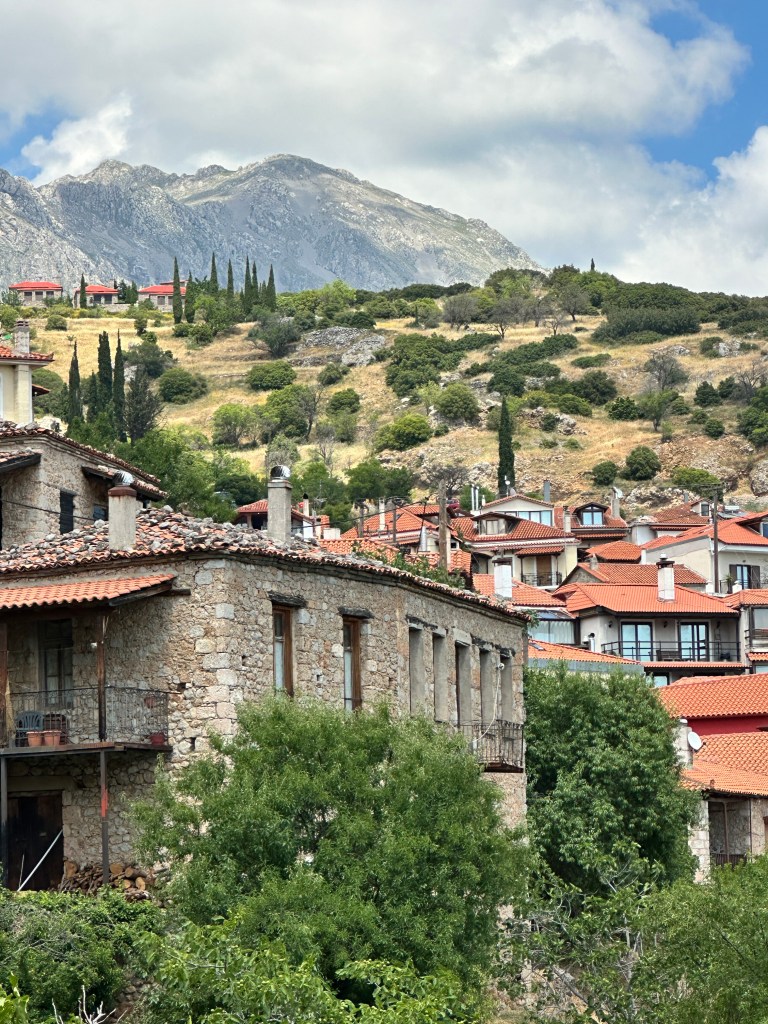
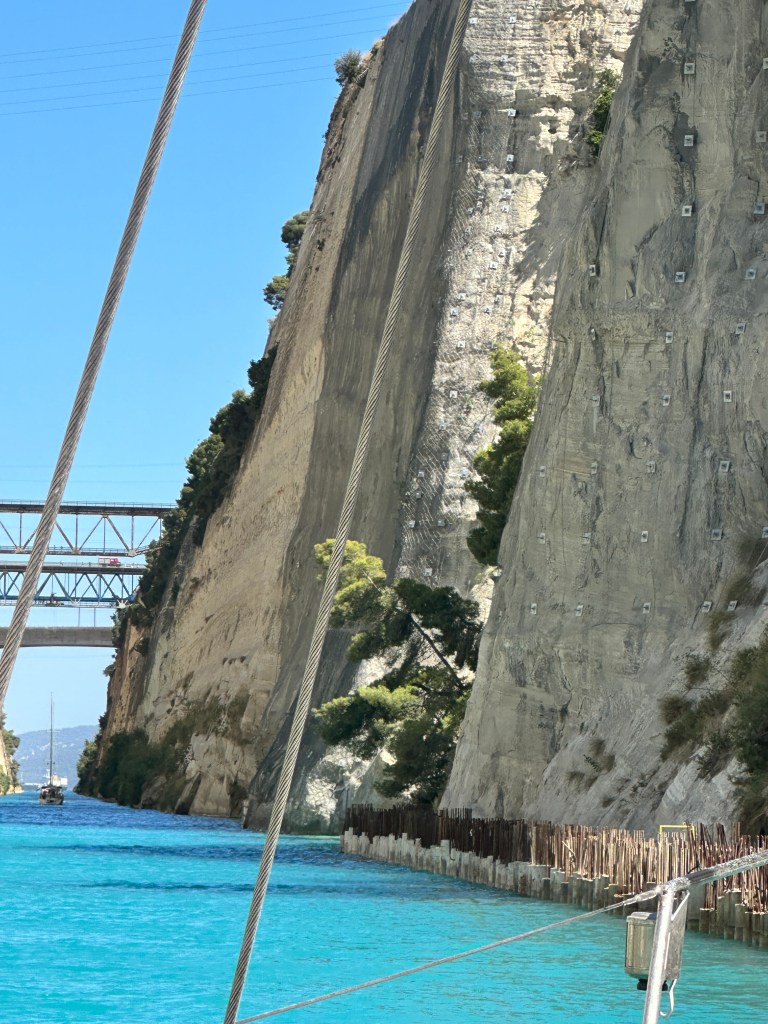
With new batteries installed we headed for the Corinth Canal. It is only 5 miles long, built in the early 20th Century and undergoing a lot of new work as an earthquake destabilised multiple sections of it in 2021. It had just opened for the summer season and is a direct link between the Gulf of Patras (and hence the Ionian Sea) via Corinth to the Saronic Gulf (where Athens is ) and the Aegean Seas beyond. As such it enables a direct west to east passage bypassing the Peloponnese. This can save a week or more of sailing or motoring plus it’s one of those bucket list experiences so we were certainly up for it this year and had planned our season around it.
I’ve probably talked about Katabatic winds before but essentially it is when the land is hot, the water cooler and there’s a high, steep mountain or cliff close to the water and the wind shoots down the sides accelerating as it goes and hits the water sometimes as gusts but often as a sustained high wind in that region. Gusts double or triple average wind speeds aren’t uncommon. Mainland Greece is very mountainous and the islands are the tops of drowned mountains. Many have steep sides with little vegetation to interrupt the wind flow and this means there’s a lot of katabatic winds, often in unexpected places.
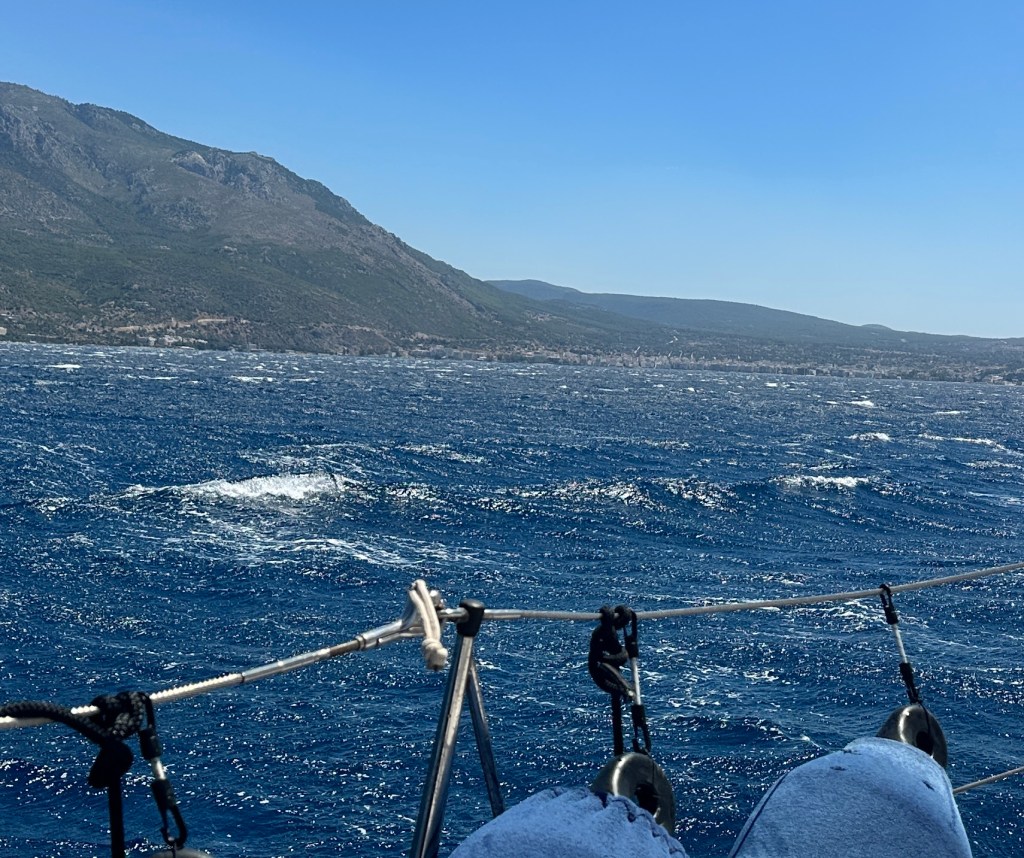
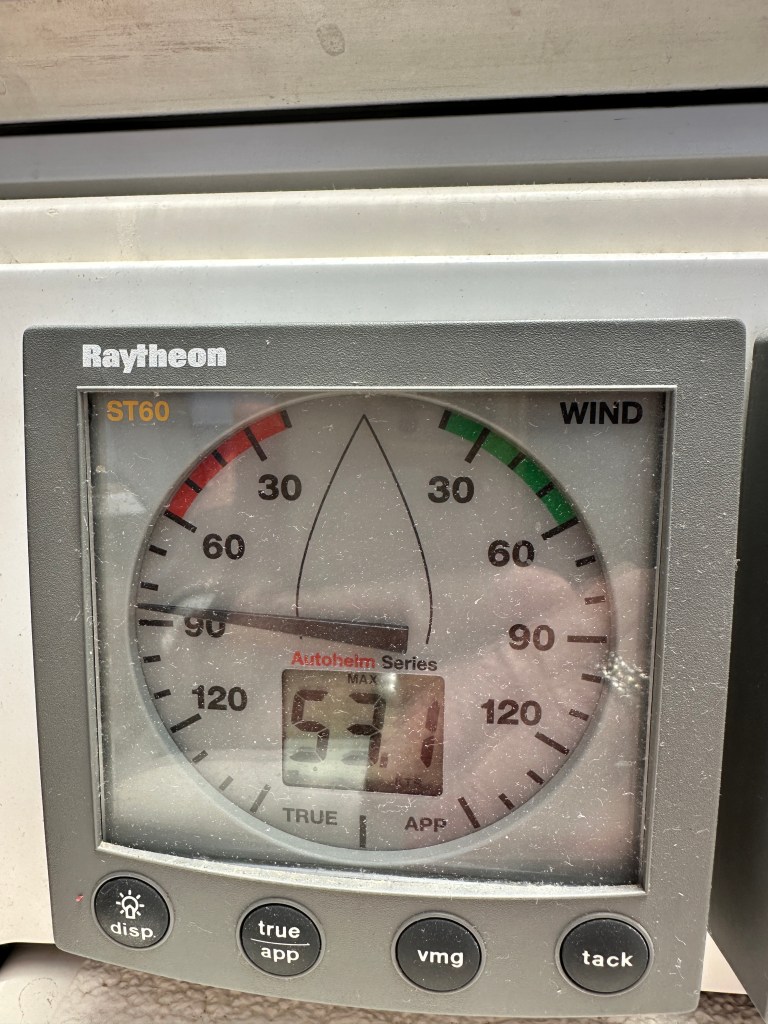
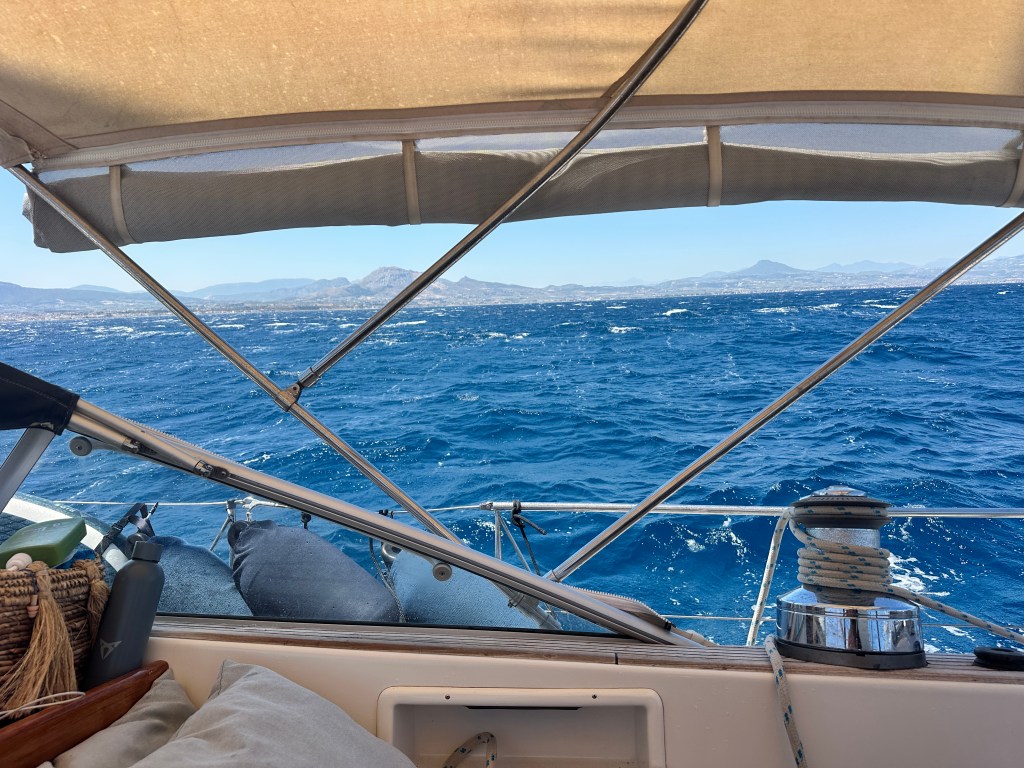
As we sailed towards the Corinth Canal the windspeed increased and the gulf narrowed and by the time we reached the entrance to the Canal where we had been notified by VHF to wait our turn, it was gusting to over 40 knots with spray flying off the water. Normally the wait is relatively short as they quickly alternate the direction of one-way traffic through the canal, however on this occasion, we were notified after about an hour that the network was down and no ships were passing in either direction. We would just have to wait. Meanwhile the wind speed increased even further and we took turns hand steering from the cockpit whilst the other went below to listen for further instructions as there was no way to hear the VHF from above deck. It was simply too windy to put our anchor down so kept motoring in circles, steering as best we could with wind gusts peaking at 53 knots. That was more wind than either of us have ever experienced before – land or sea based ! Don’t believe people when they tell you the Med is a bathtub….it can get really windy.
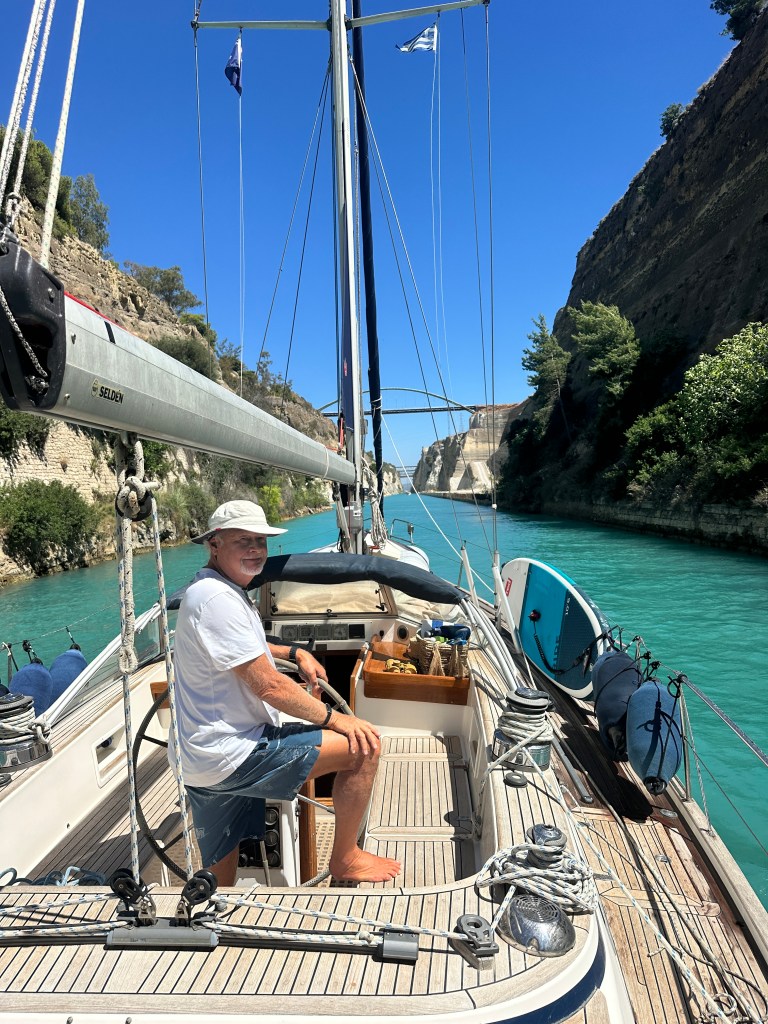
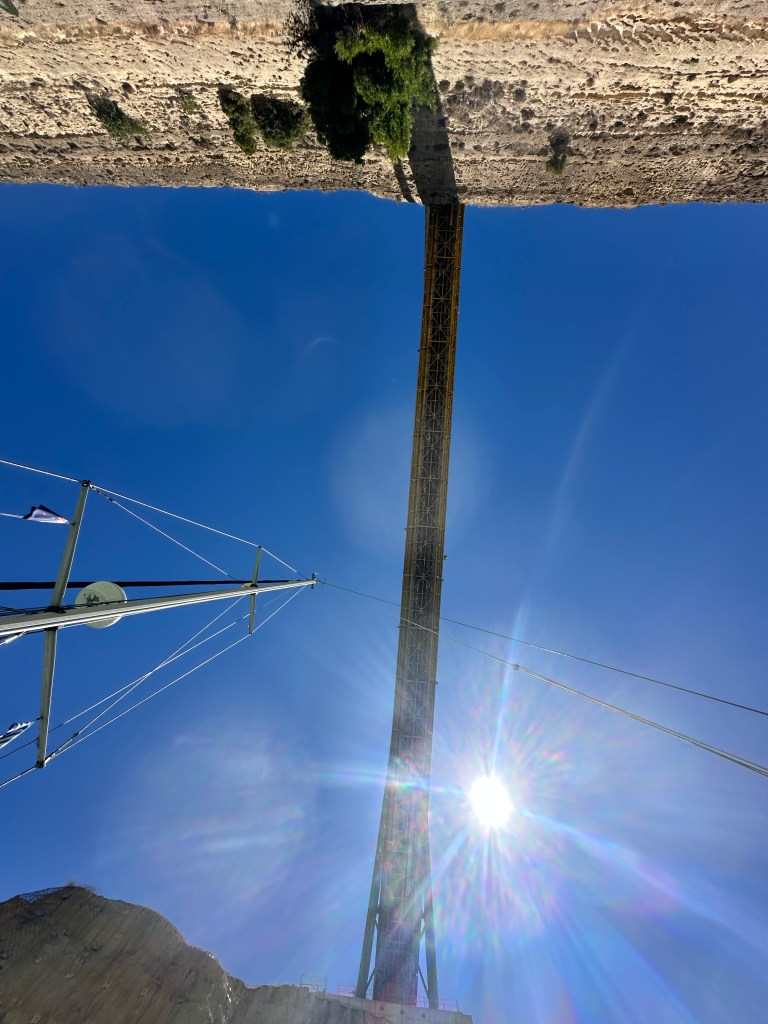
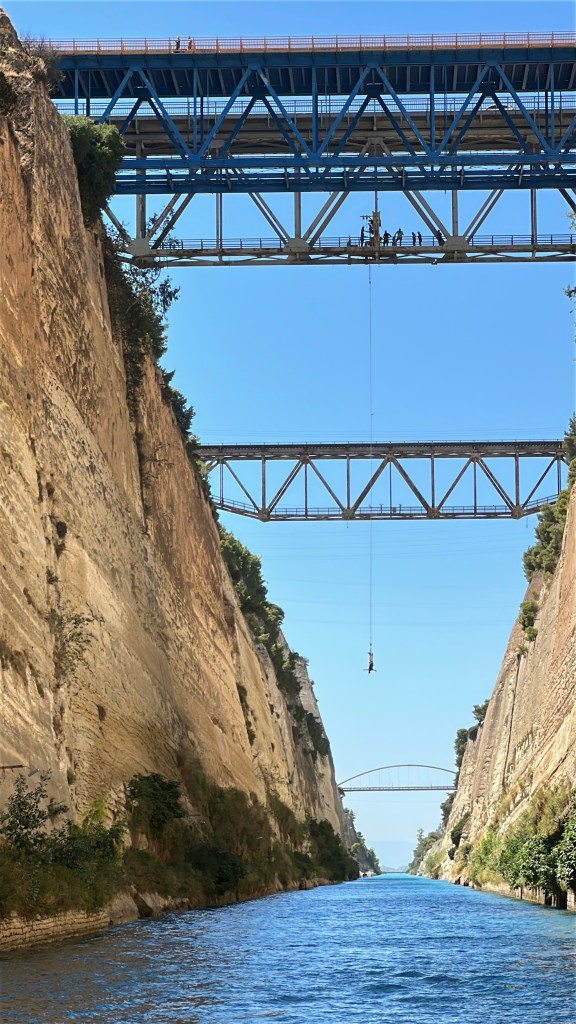
Finally, it was time to go through and we were the last of five boats. As we entered the breakwater we watched the anemometer drop from 40 knots to 5 knots in about two minutes and we were in glassy water. It was great. The high bridges were spectacular and one had bungy jumpers waiting until all the yachts passed before hurling themselves off to our delight as we had just passed underneath them. Fortunately it was slightly less windy on the Eastern side of the canal but still very hot. Earlier in the day as winds built 40 knots Rick had decided it was a good idea to take down our bimini which is our shade for the cockpit to prevent it getting damaged and I’m pretty glad we did despite the way we had to wrestle it in the wind and waves. We saved the structure but the stitching on the Sunbrella canvas cover had all pulled apart in all that wind. Nonetheless it was good enough to give us some welcome shade.
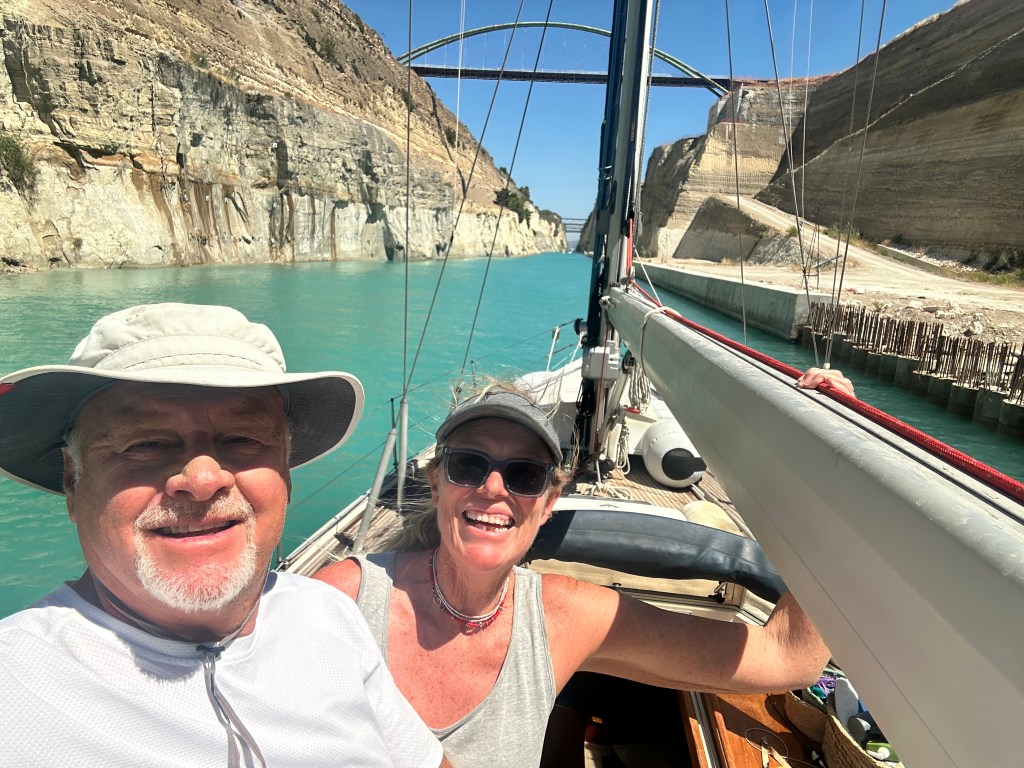
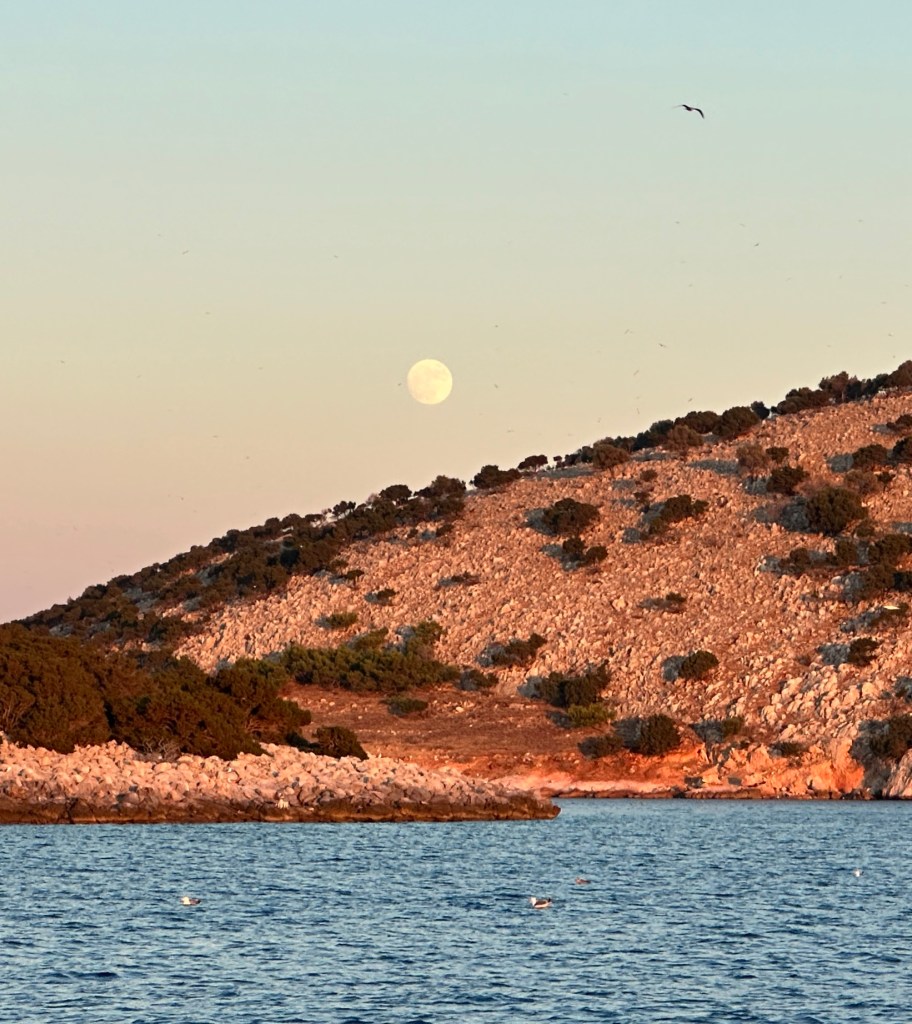
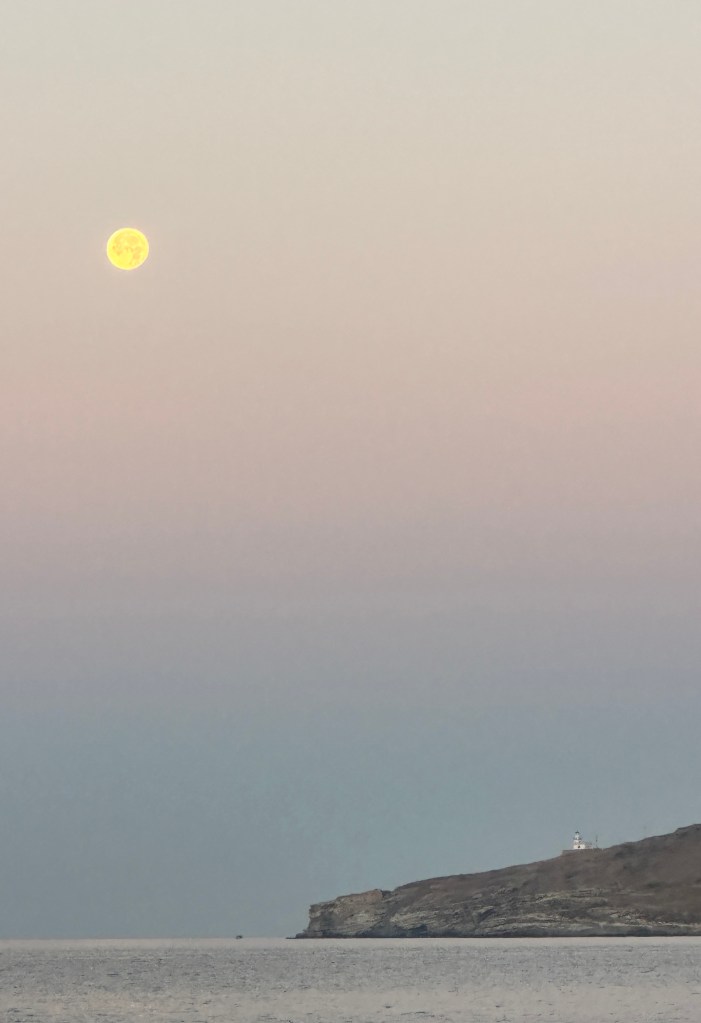
We high tailed it to a quiet anchorage filled with a gull rookery, glad to be back in familiar sailing grounds and enjoyed the peace and the rising of the full moon. What we didn’t enjoy was an unexpected rolling swell that came in at nightfall and went on and on, stopping us from getting some much needed rest. So, at first light we were off again across the Saronic Gulf to Poros.
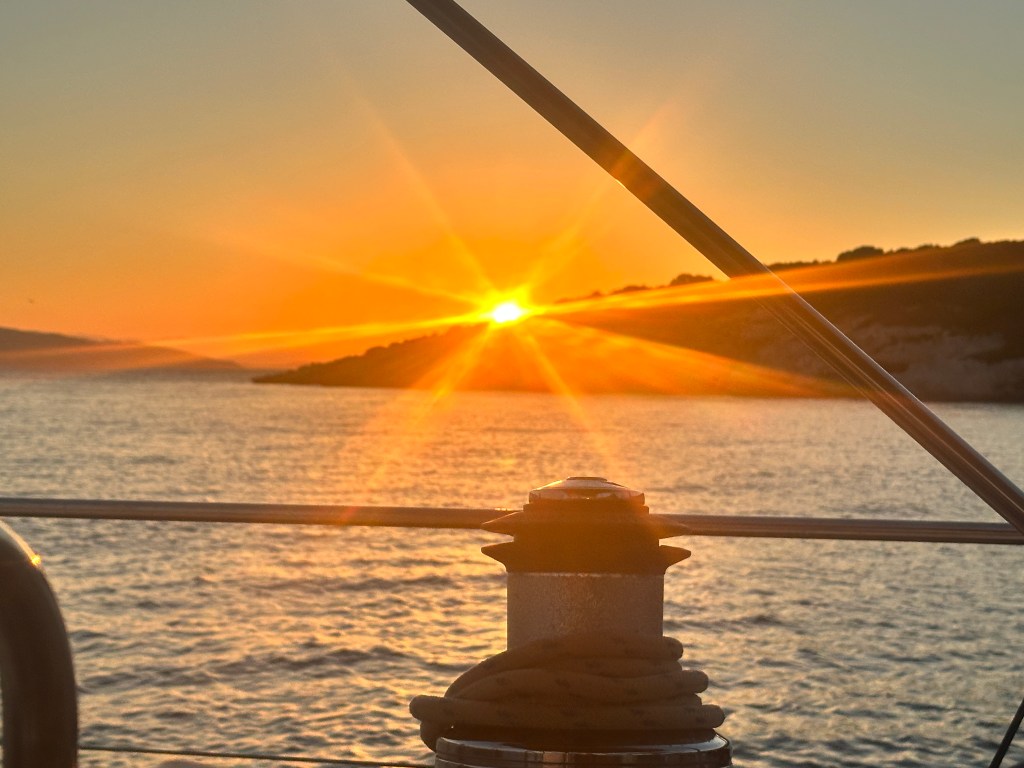
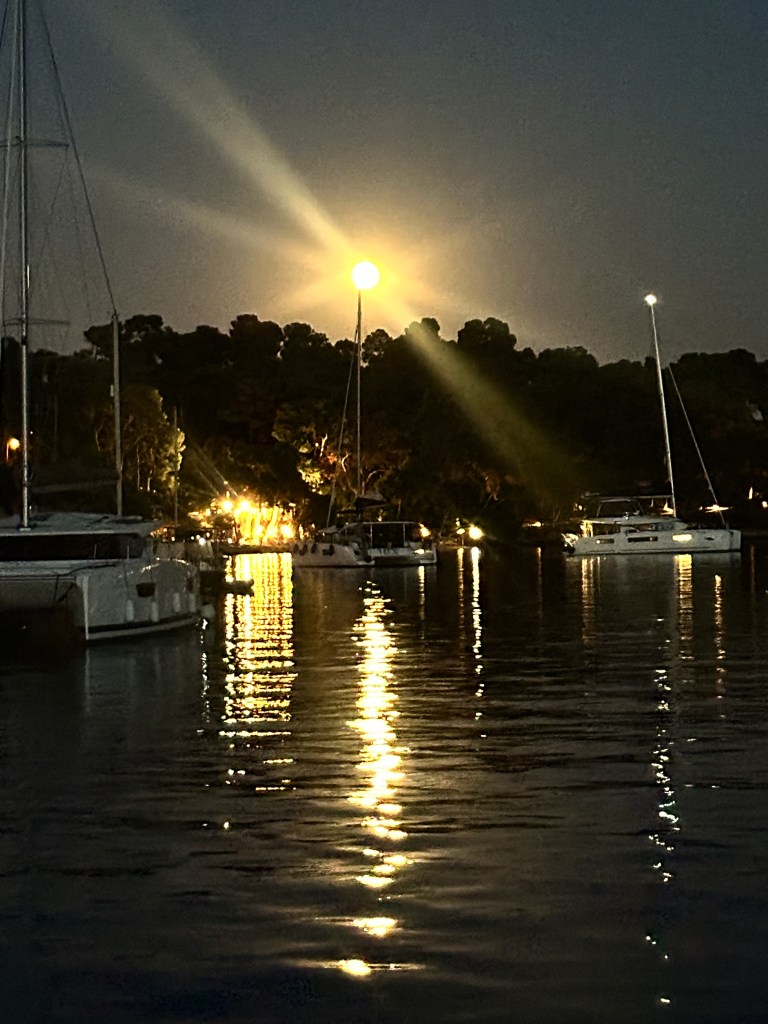
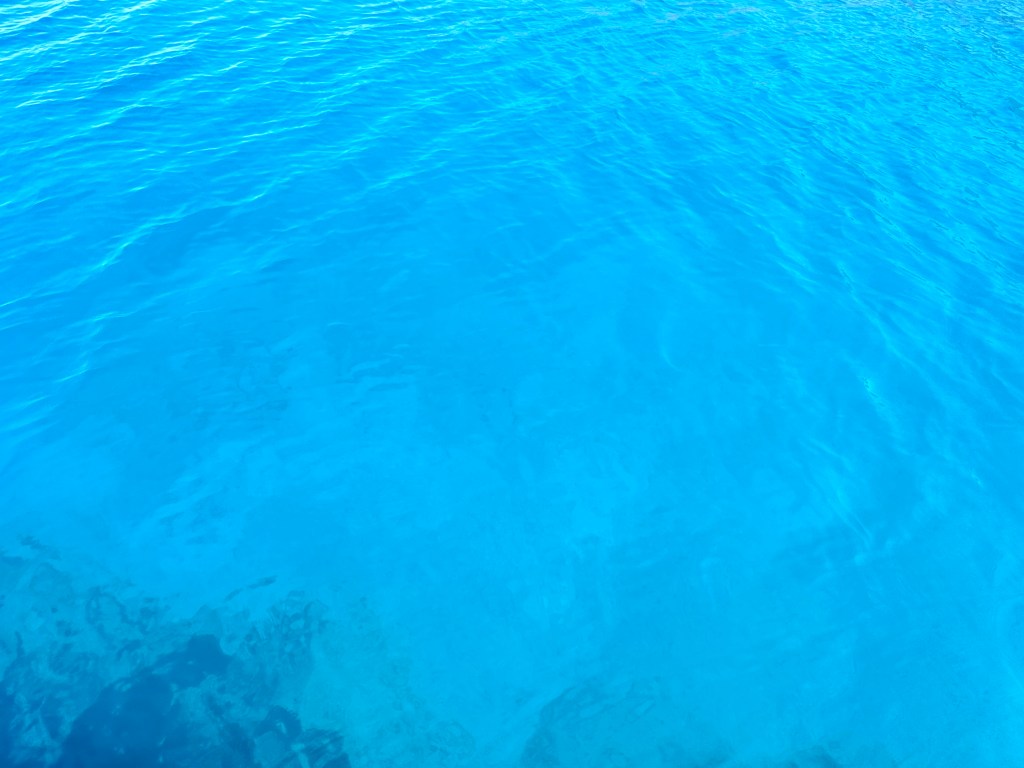
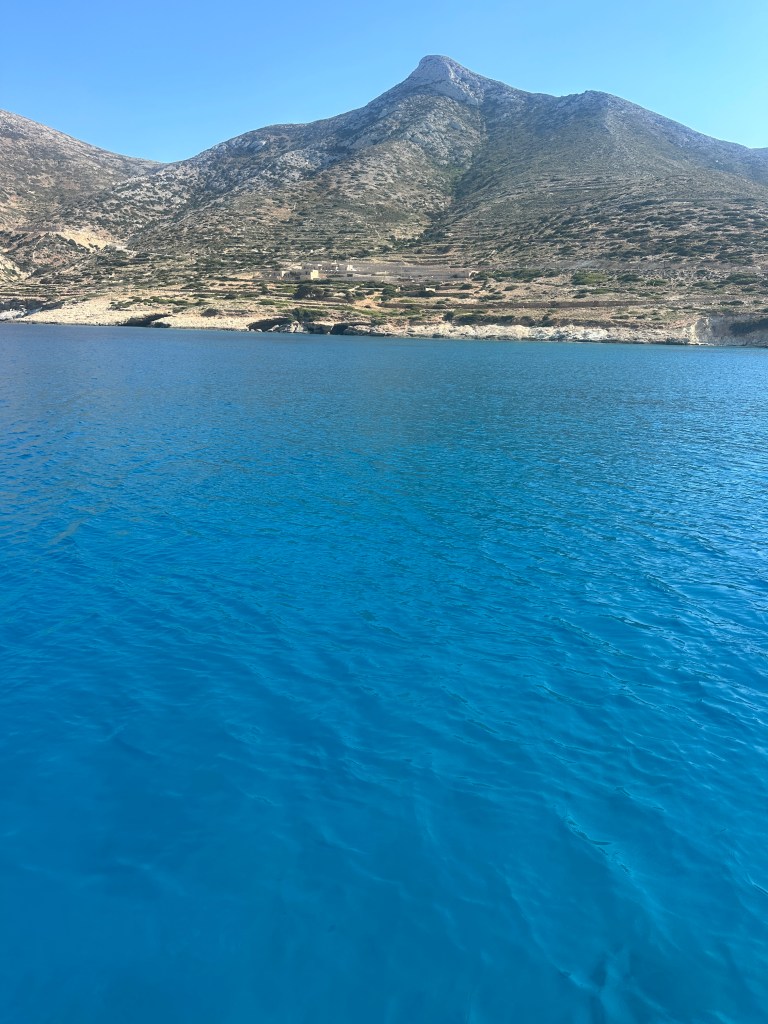
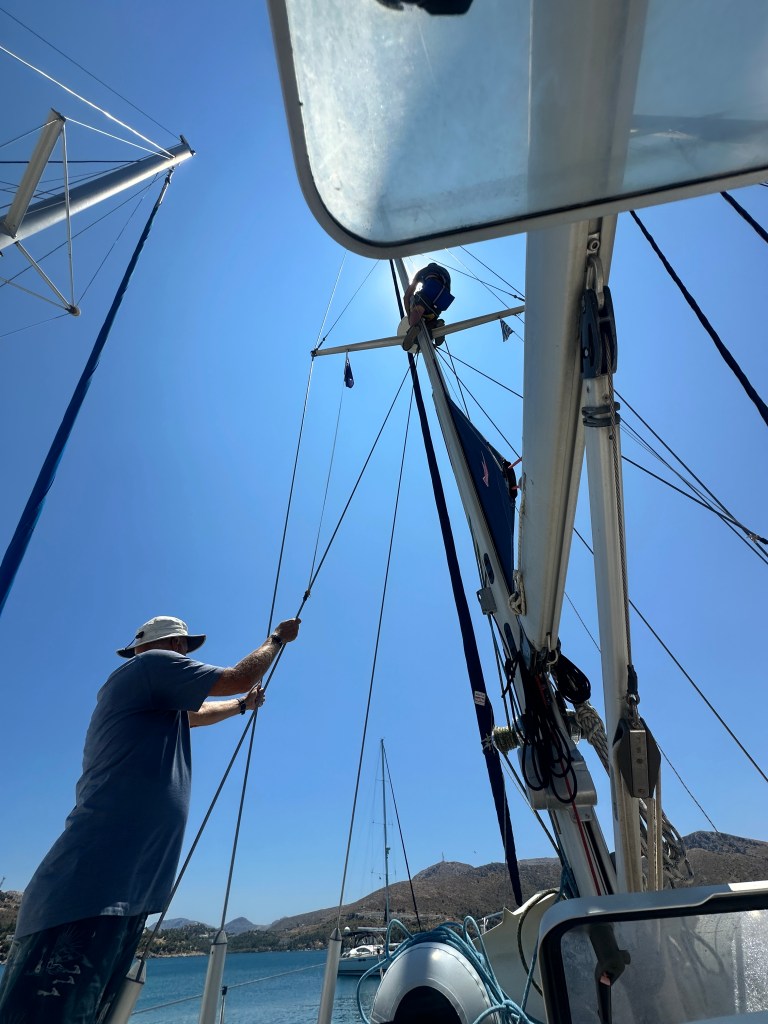
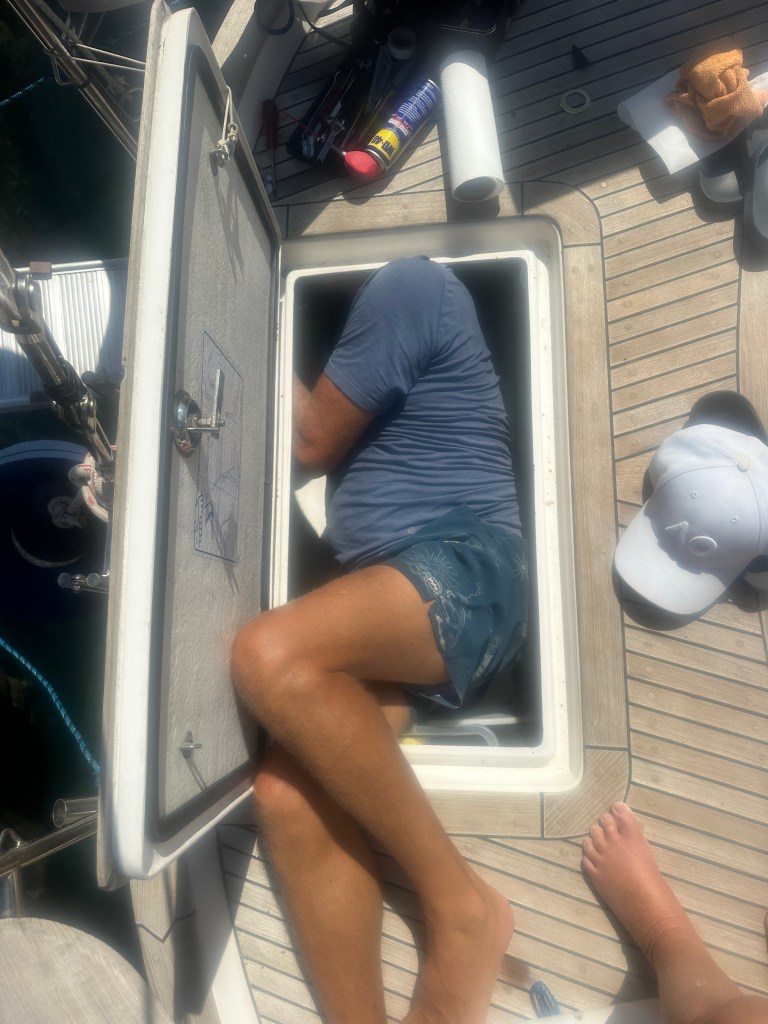
Despite knowing Poros quite well and having enjoyed our time there before on many occasions we wanted to make the best of good wind conditions so after an overnight stop we moved on, touching down for a night in Serifos and bouncing on to Naoussa on Paros. Then onwards to Dounousa where we anchored in a glorious bay filled with bright blue water and with sparse company of only a couple of other boats and a few sun worshippers on shore. The next morning we headed straight for Leros setting the anchor at about 3 in the afternoon. We were finally here. The reason for this quick trip was that a Meltemi was coming and we had a long list of boat maintenance things that needed the help of John, a local British expat who is amazing with all manner of systems onboard. And now we needed the sailmaker to sort out our ripped bimini too. Plus we wanted John to check out the batteries as confirm that all was good after their unexpected failure.
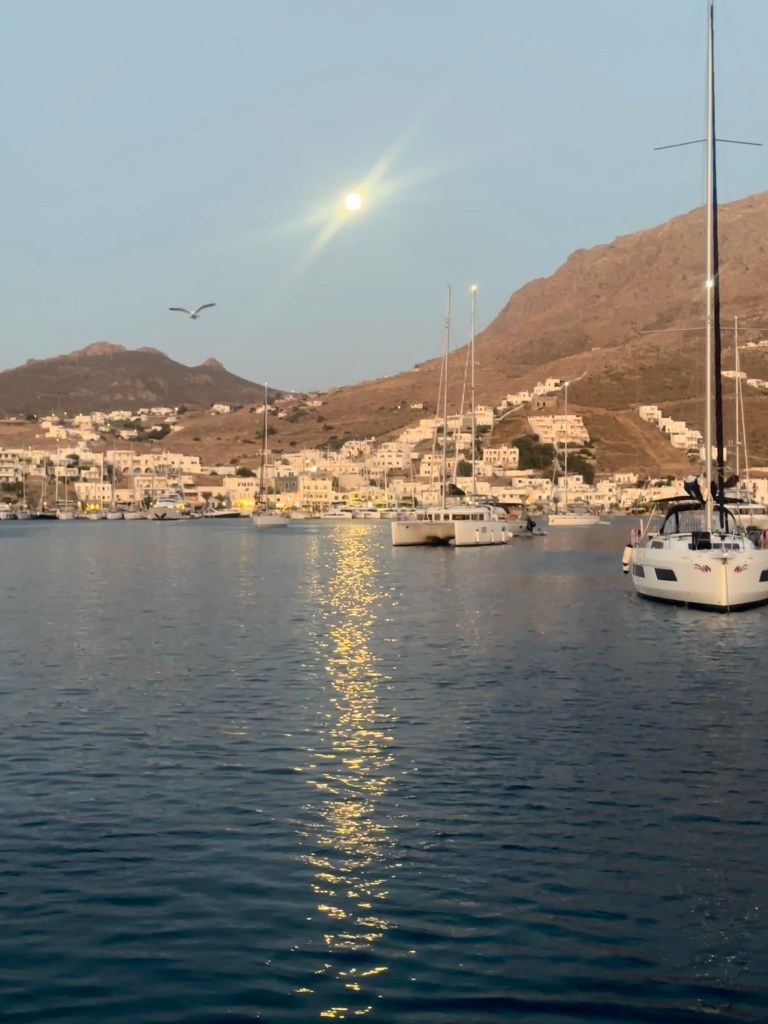
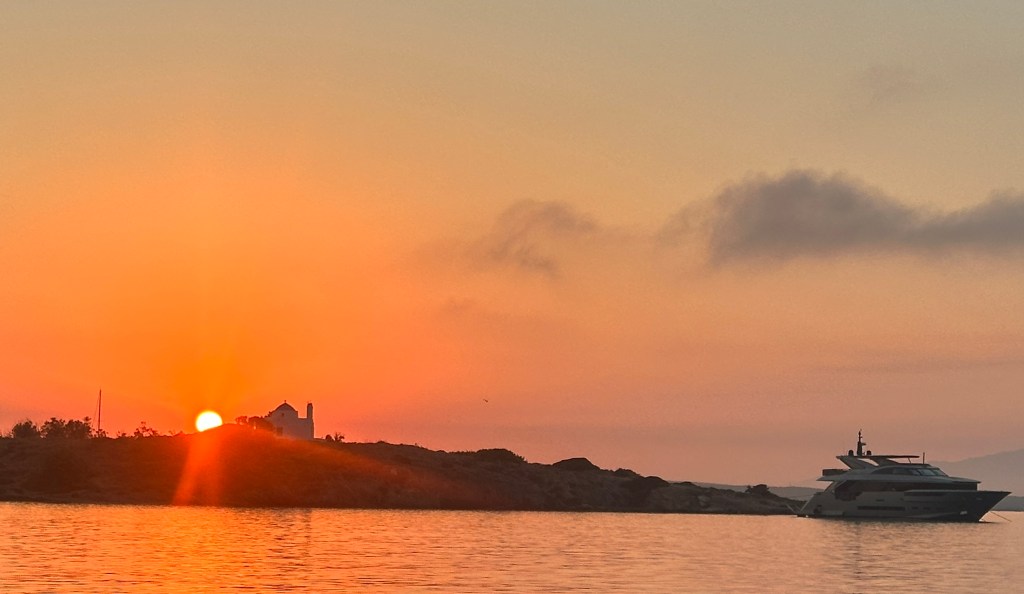
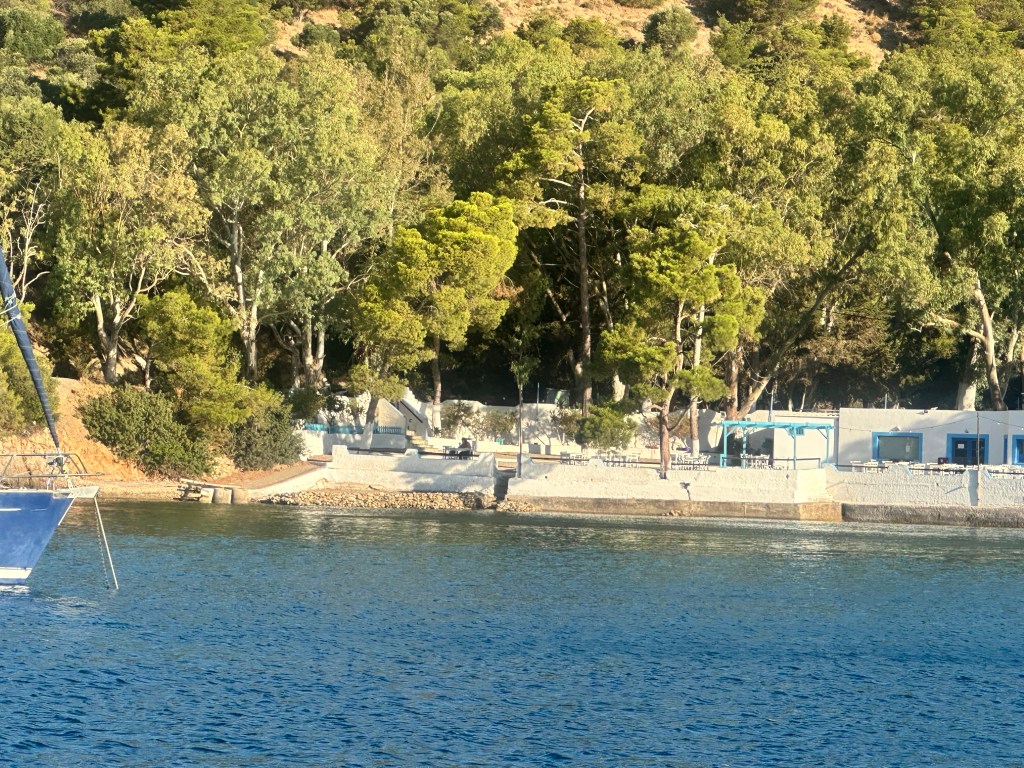
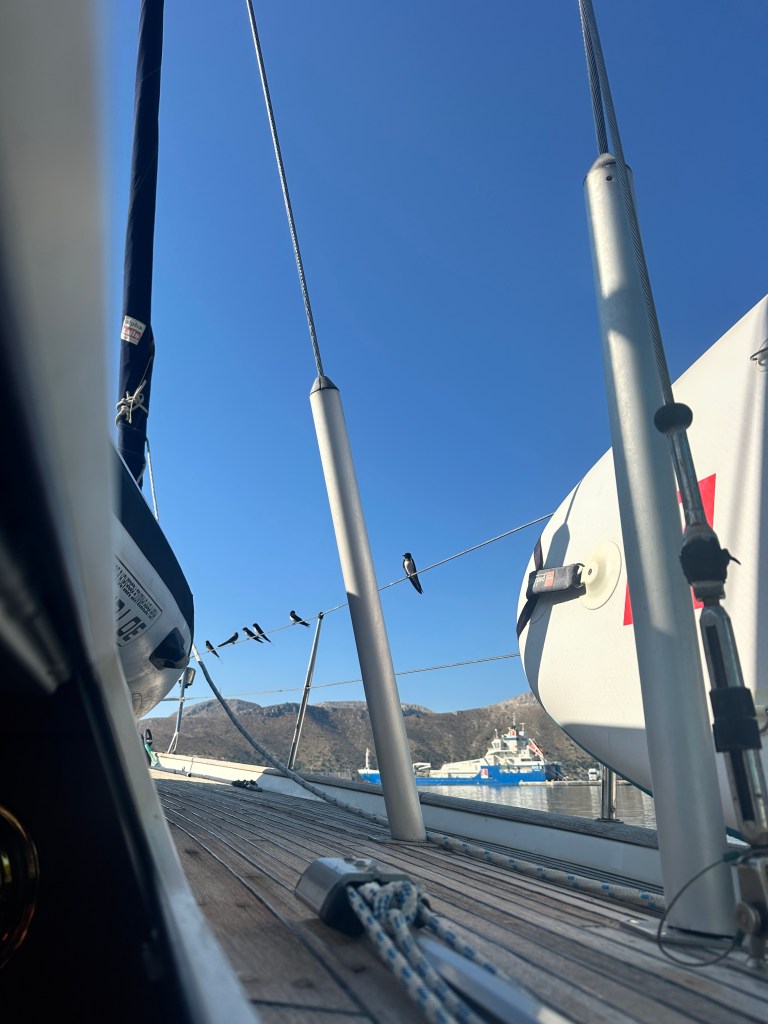
We waited in “Pizza Bay” (one of our “velcro anchorages’) until there was a space free on the town quay. We needed this for convenience so John could come and go as needed and when we saw a spot early on a Monday we jumped at it. Gosh it was hot there though. And dusty. Cooling off in the water was not possible so it was a walk to the beach and we traded convenience for heat and dirt and dust blowing straight off the road onto the boat and boy racers tearing past us in their cars and on motorbikes until 3 am. We were glad to leave with our sights set on Kos.
There is a another reason we went all this way from west to east of Greece. We had to get to Kos to pick up our Greek Residency Permits. This is essentially a visa that allows us to stay in Greece full time for 3 years (and this was up for renewal). Without it we as Australians would be bound by the Schengen restrictions of a maximum of 90 days in Europe in any 180-day period. The process took a full year and much administration including an unscheduled visit however finally our new cards were waiting for us in Kos at Immigration. So in a great breeze we headed south and due to more winds we’d booked a night in Kos Marina so we could be sure we could get off the boat to get those precious little plastic cards. It all went perfectly and now the rest of the season stretches out before us and the windier Aegean and therefore cooler islands of the Cyclades lie ahead of us. Relief from the heat and wing foiling are definitely in the sailing horoscopes for the remainder July and August. We arrived in Corfu on the !st of June and arrived in Kos on July 14th. It’s been a big 6 weeks.


 ocean-pilgrim
Leave a comment