Actually, before we leave the Eastern Greek islands, I need to tell some stories about 3 of the islands we passed quite quickly through and I barely mentioned last year. These 3 islands are closely linked through geography and history and a long and noble maritime presence.
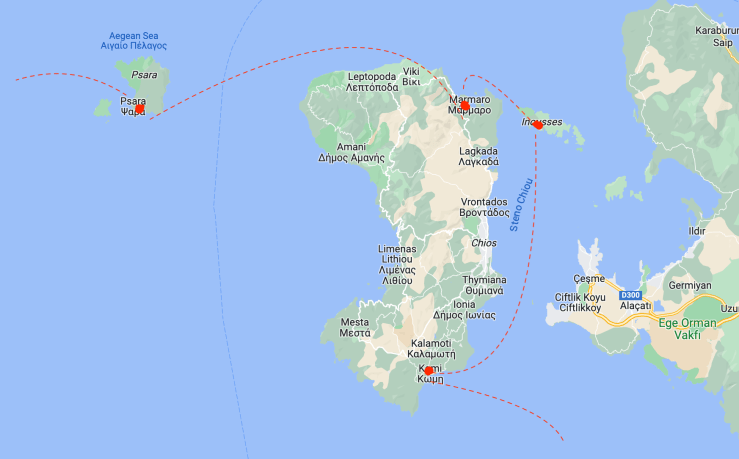
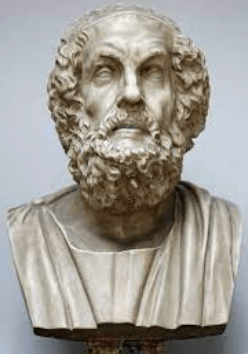
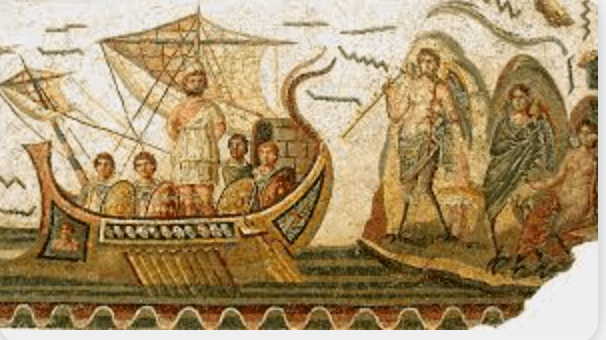
These islands are Chios, the largest, Oinousses, a tiny dot off its northeast coast and the tiny but valiant Psara sitting almost alone and isolated in the middle of the Aegean off Chios’s west coast. Chios has been inhabited for 6000 years but when the Ionians moved in about 1100 BC, they became known for the trading of Mastic (which is the only place in the world it grows) and wine. Art and literature flourished and Homer is thought to have been born there around 800 BC.
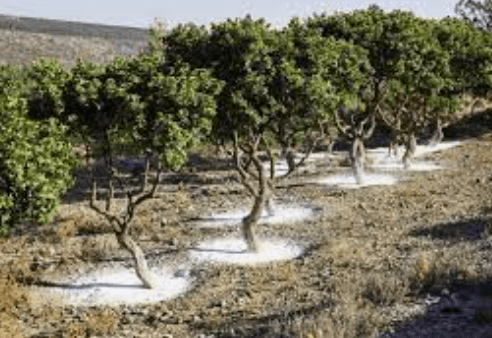
Over these millennia the people have cultivated the mastic plant which grows as a bush throughout the region but only the carefully cultivated mastic tree on the southern part of the island is able to be harvested for mastic gum. During all of the conflicts the family mastic farming has gone on regardless of who ruled the land. It was as valuable a commodity in antiquity as it is today, rivalling gold in ancient times.
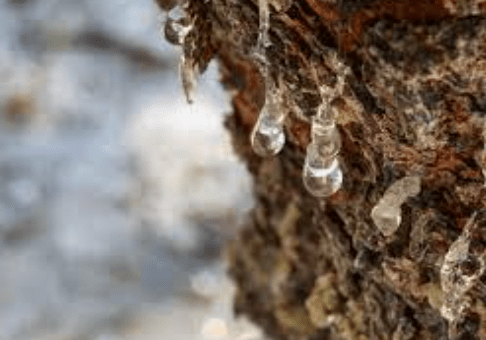
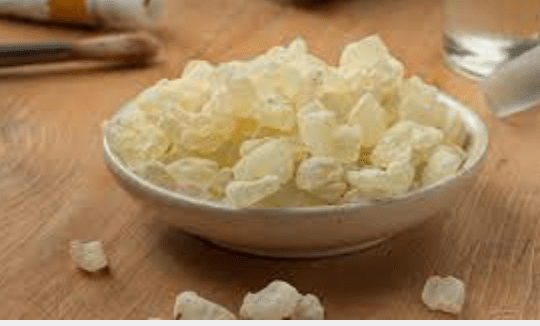
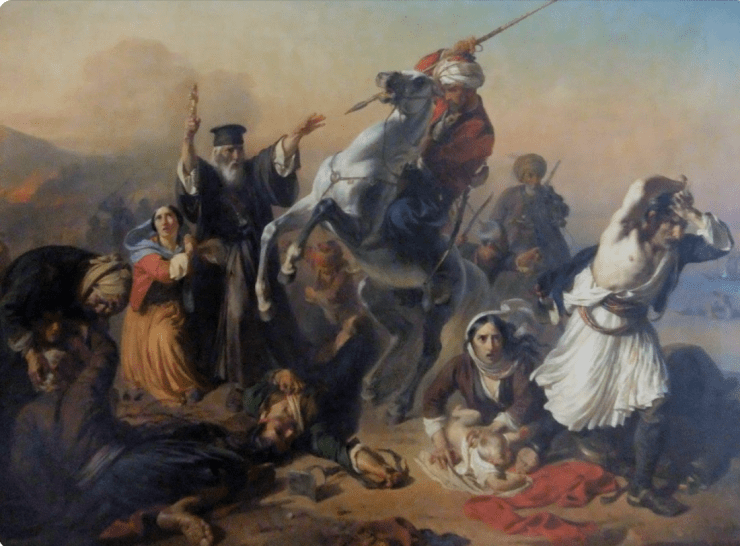
On the Eastern side of the Med the islands are all so close to Turkey it is impossible to underrate the influence this has had on them. The Persians and the Ottomans have conquered them and the histories are both bloody and brutal. Especially when Greece tried to win its freedom from the Ottoman Empire in 1822. Almost the whole populations of these 3 islands were entirely wiped out and it is known as The Genocide. Thousands of people from these islands that led and participated in the rebellion were slaughtered or sold as slaves. The entire tiny island of Psara decided that rather than let this happen to them hatched a plan to lure the conquerors into the crusader castle where the population of 7,500 (which included refugees from Ionoussa and Chios) were gathered. As the Ottomans entered the locals blew up the castle using the island’s supply of gunpowder and killing both the marauders and the locals in their entirety. An Italian envoy is reported to have said it was like a volcano exploding. A devastating earthquake after this in 1881 encouraged many of the remaining population to leave. During World War 2 the Germans occupied Chios for 2 years and the whole of their extensive navy was decimated during this period. It’s incredibly hard to believe as we visit these calm and peaceful islands today. It’s easy to think that the bucolic summer life of visitors from the rest of Greece and from across the world are experiencing the islands the way they have always been. These days the tavernas are full in the evenings with families enjoying the lingering dusk and then the welcomed cooler night air. Daytime trips to the beach where children jump off rocks and locals tread water while talking and laughing for hours on end belie the past. It’s feels like a time-honoured rhythm yet really it isn’t. But as with many places you only need to scratch beneath the surface to discover more about why this is just so precious now.
The islands have changed hands due to wars and treaties for thousands of years, most leaving an impact of some sort. The Genoans arrived in Chios in the 14th century and their history is part of the islands now. They were responsible for building the elegant villas on Chios and for the terracotta roofs throughout the Eastern islands and stone houses painted lemon, light blue, terracotta, and green are the norm rather than a rarity. Colours you would expect to see all over Italy but less in Greece. Missing are the flat roofed white painted buildings of the Cyclades. Even the churches look as if they belong to another place and time.
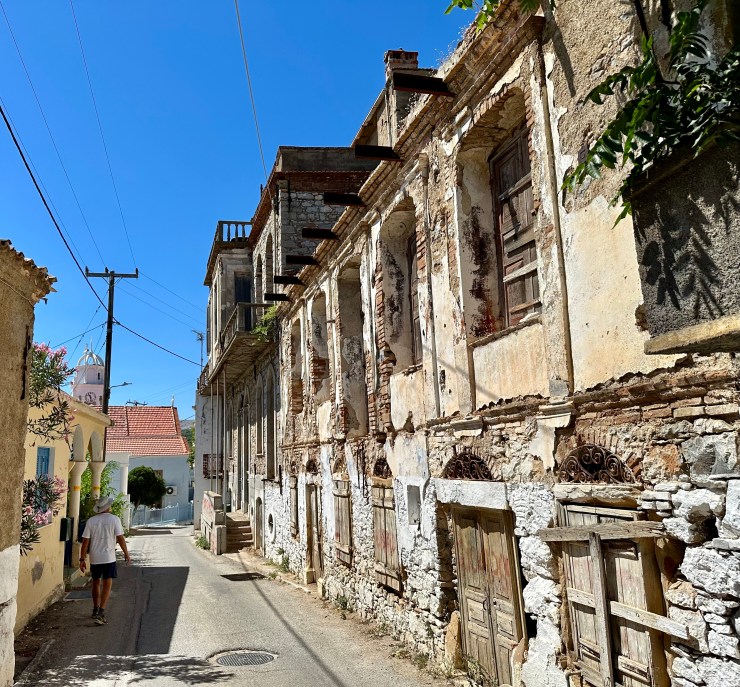
Architecture aside even the family names of the residents would be at home in Italy and the friendship between the peoples continues to this day.
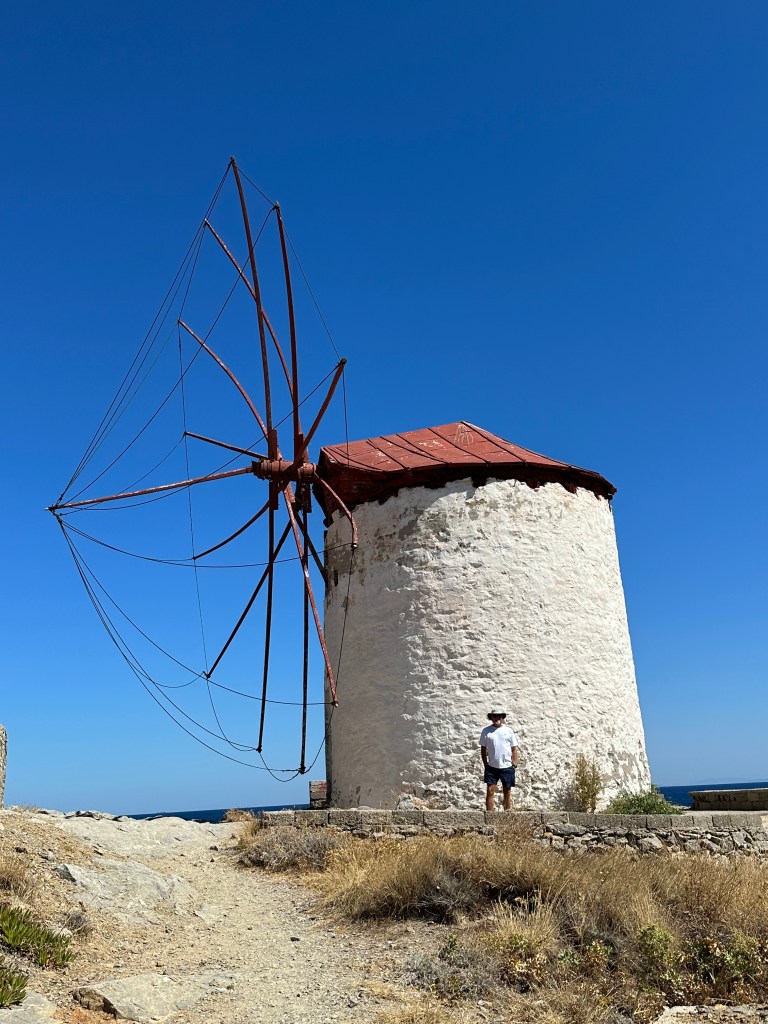
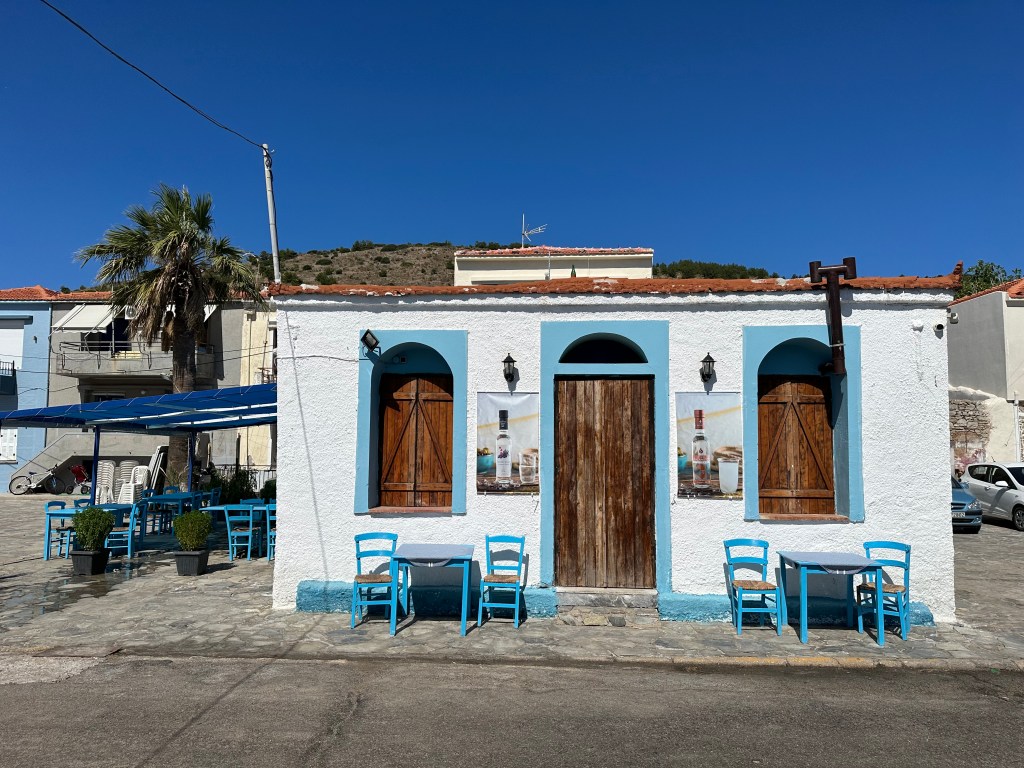
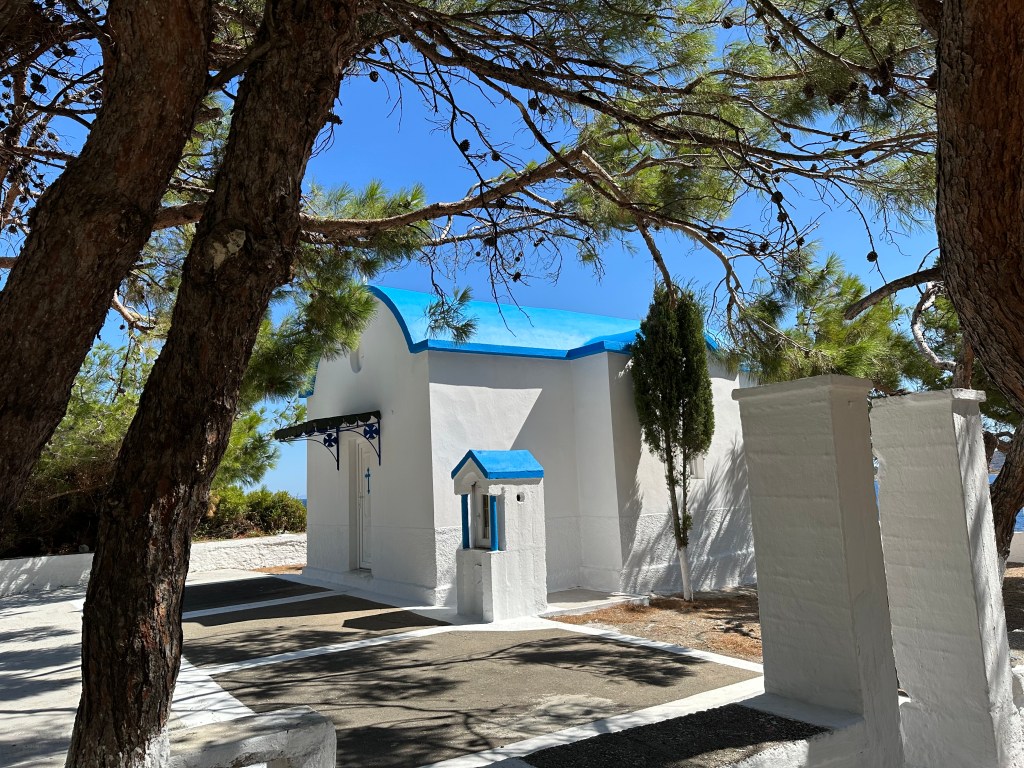
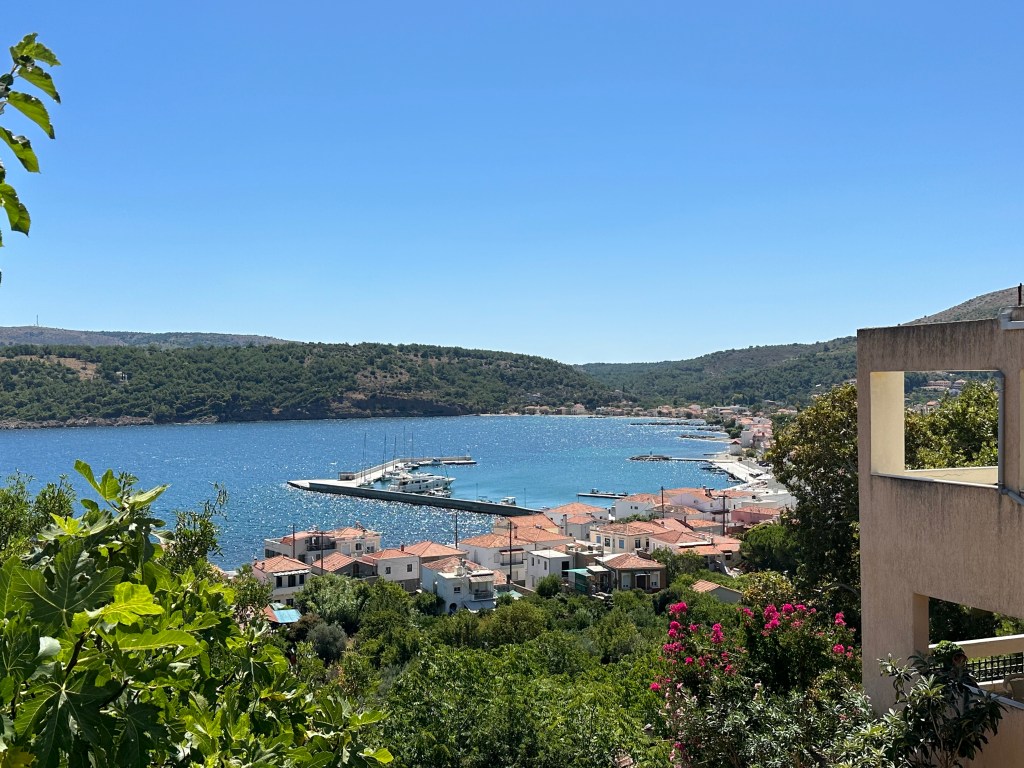
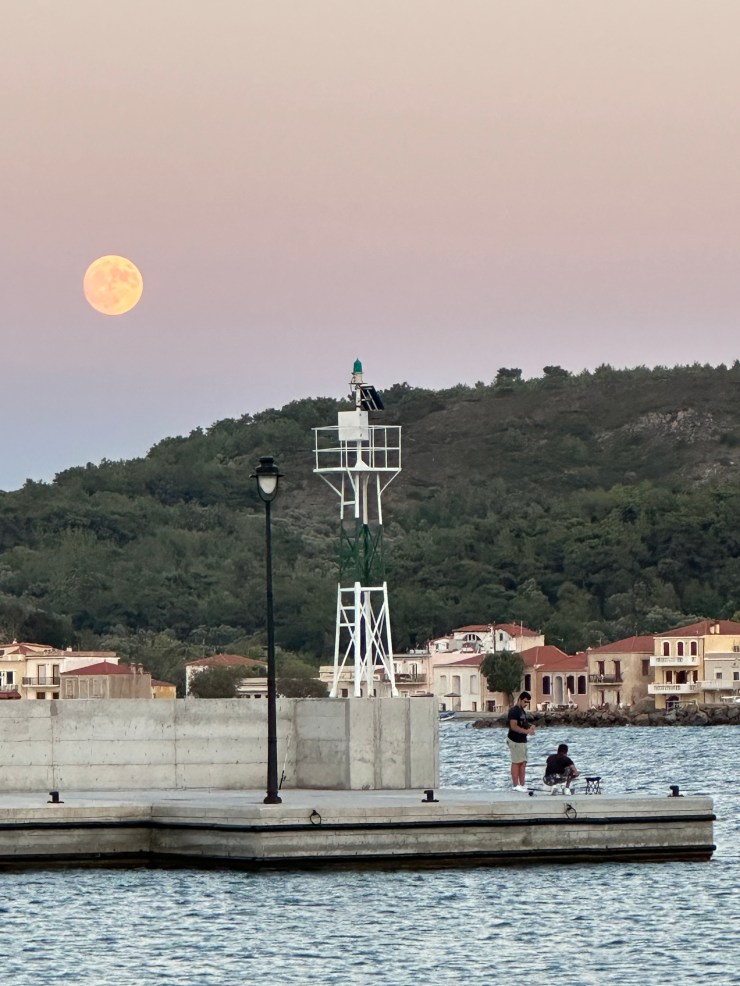
We stayed on the north of the island of Chios in a new town quay after sailing along the north coast past lush valleys and tiny mountain villages. A hire car for the day allowed us to drive though a landscape more like Tuscany overflowing with citrus, figs, grapes beautiful villas through to the bare southern part of the island and where we learnt about the mastic trees and its trade at the amazing museum there. The medieval villages that are home to many of the mastic farmers were such a treat to visit.
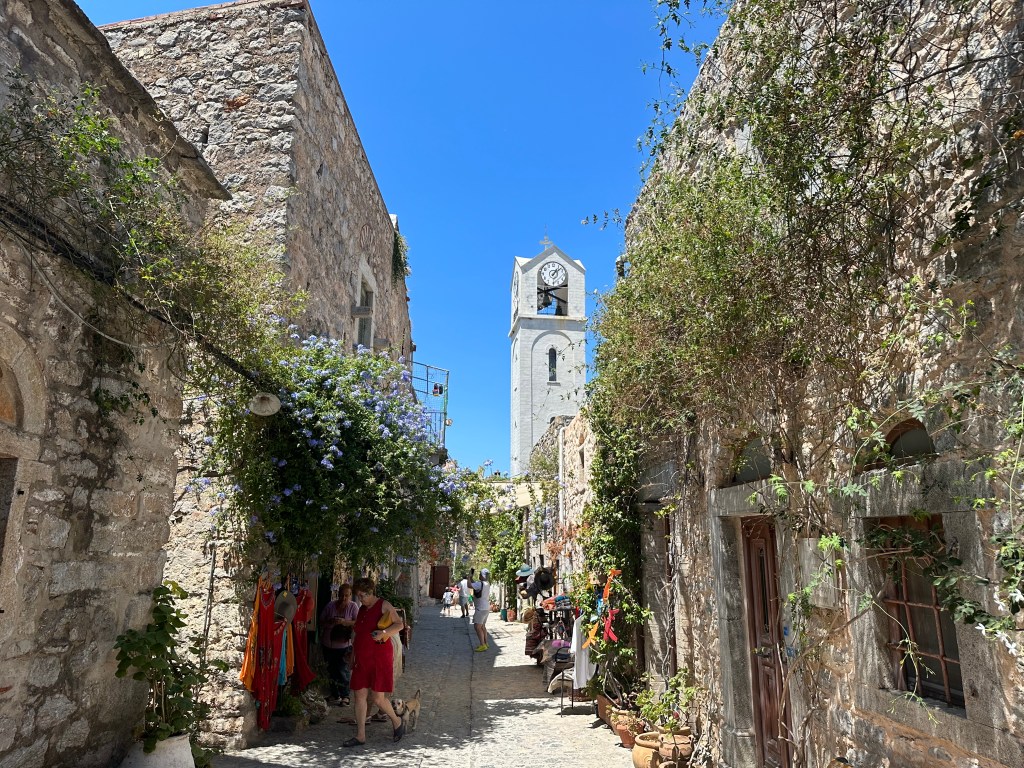
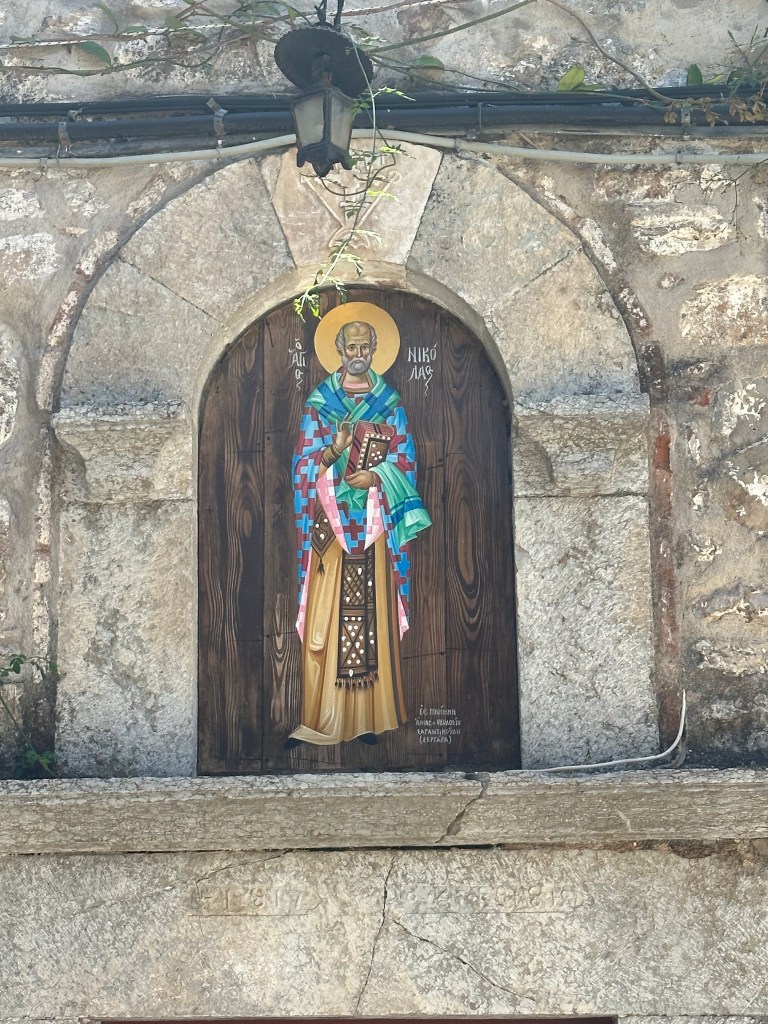
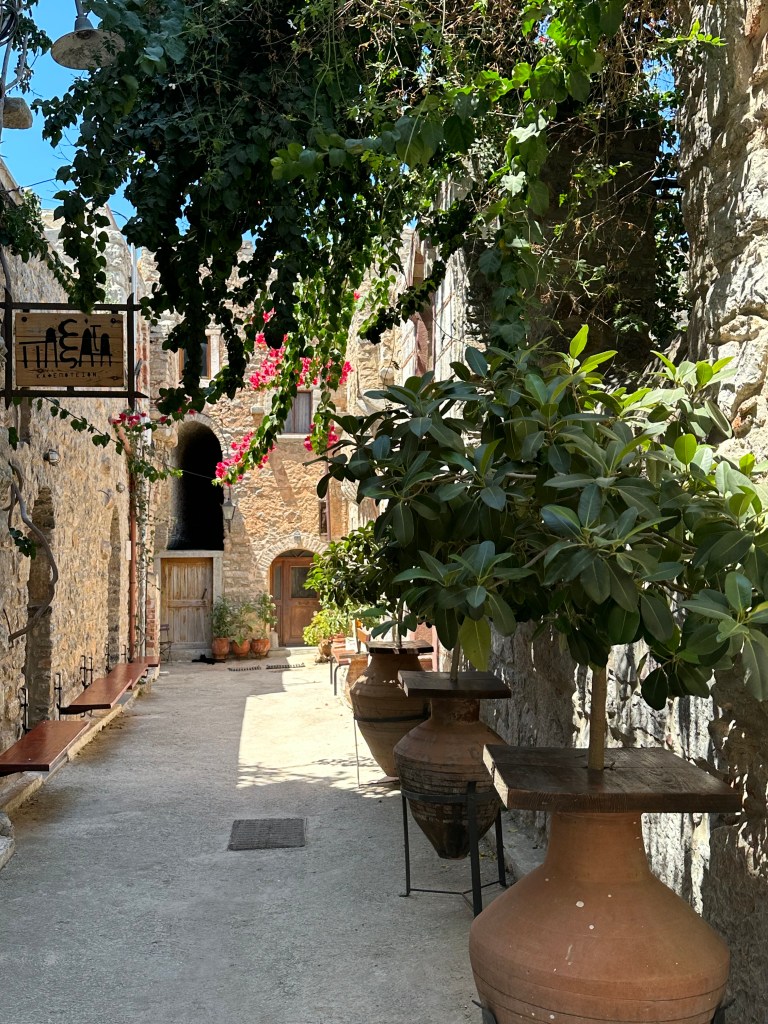
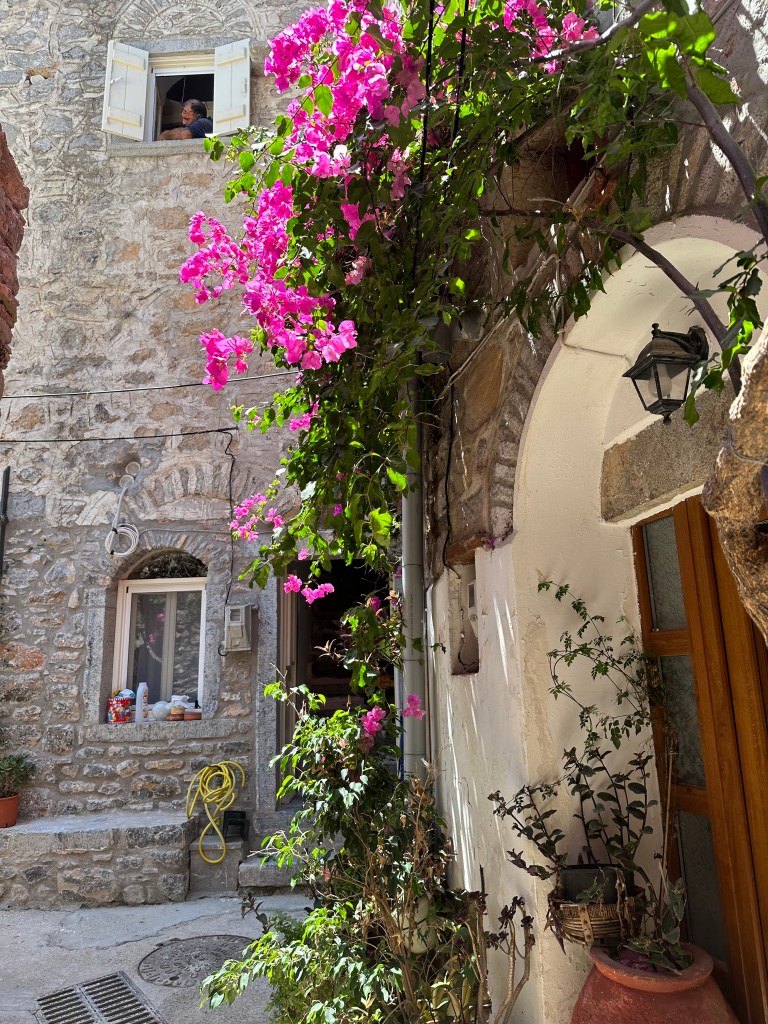
One village is still fully enclosed within its medieval castle’s walls and another from the 10th century was not damaged by the earthquake and all of the houses are carved with patterns and motifs in grey, black and white. It’s absolutely spectacular.
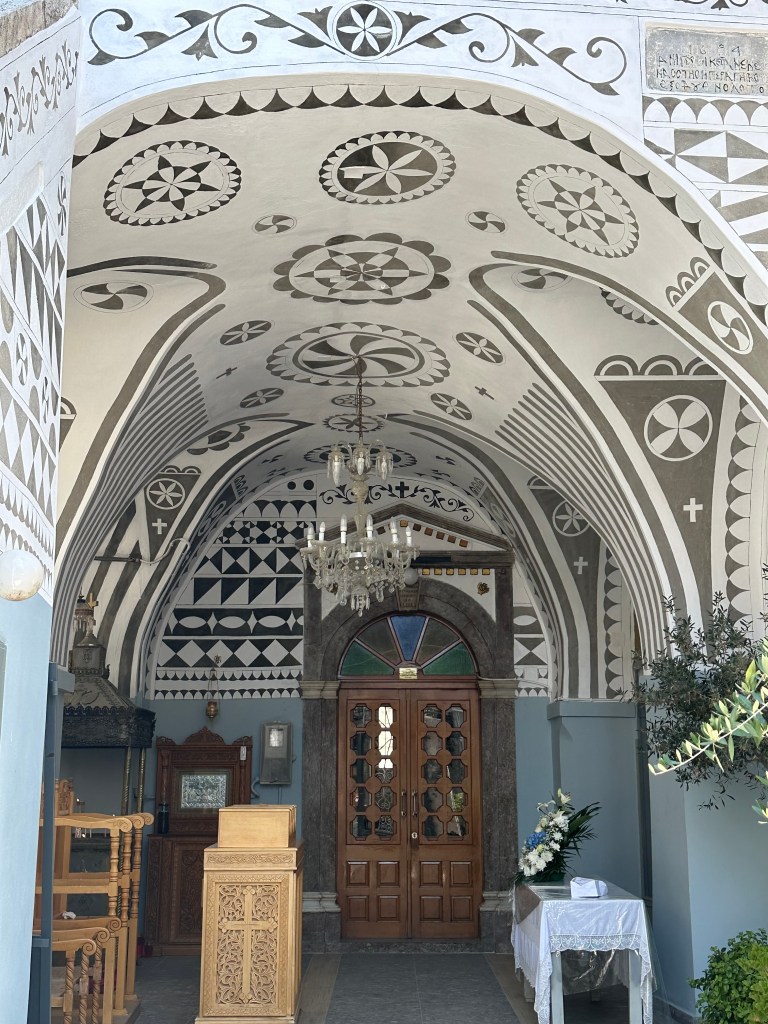
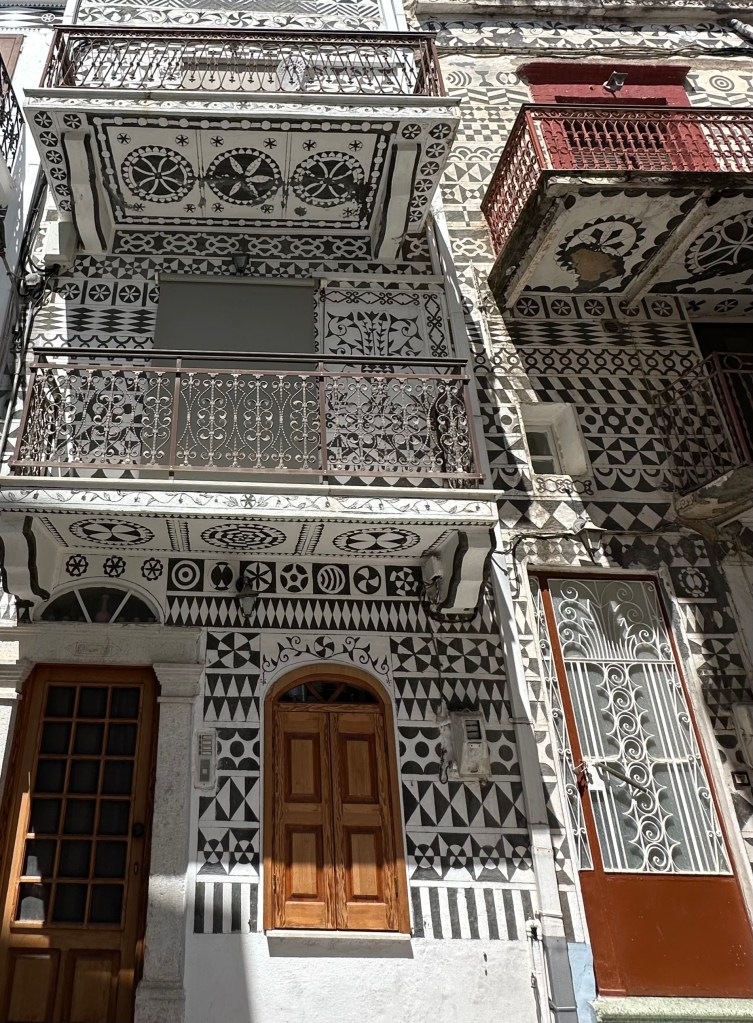
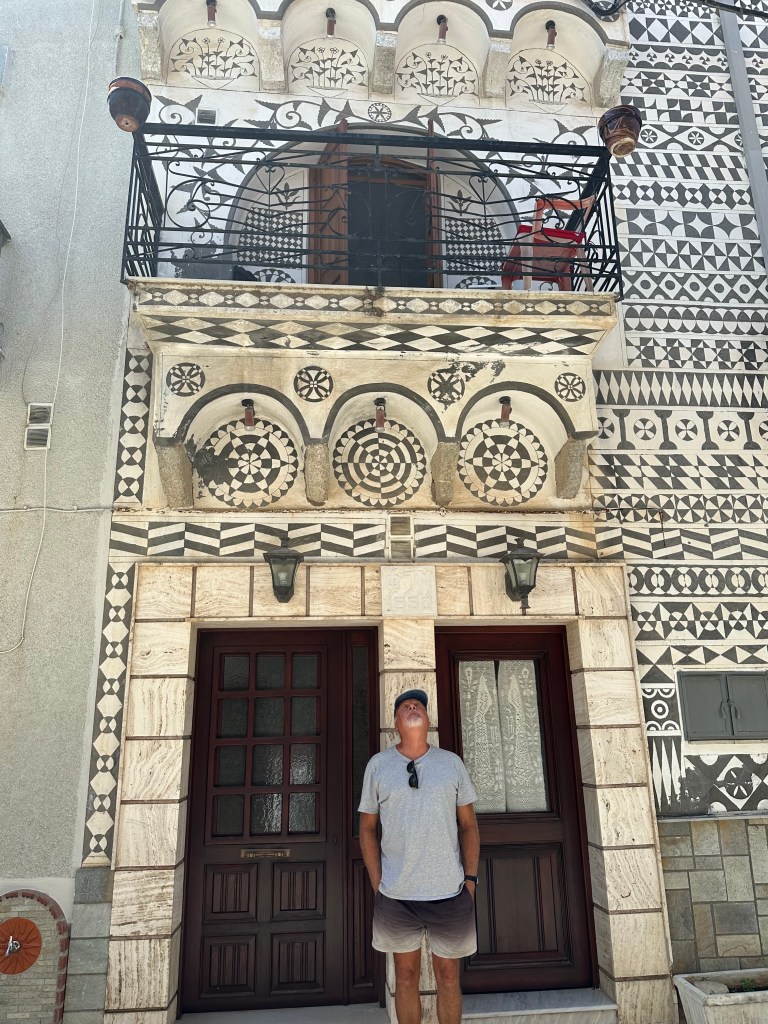
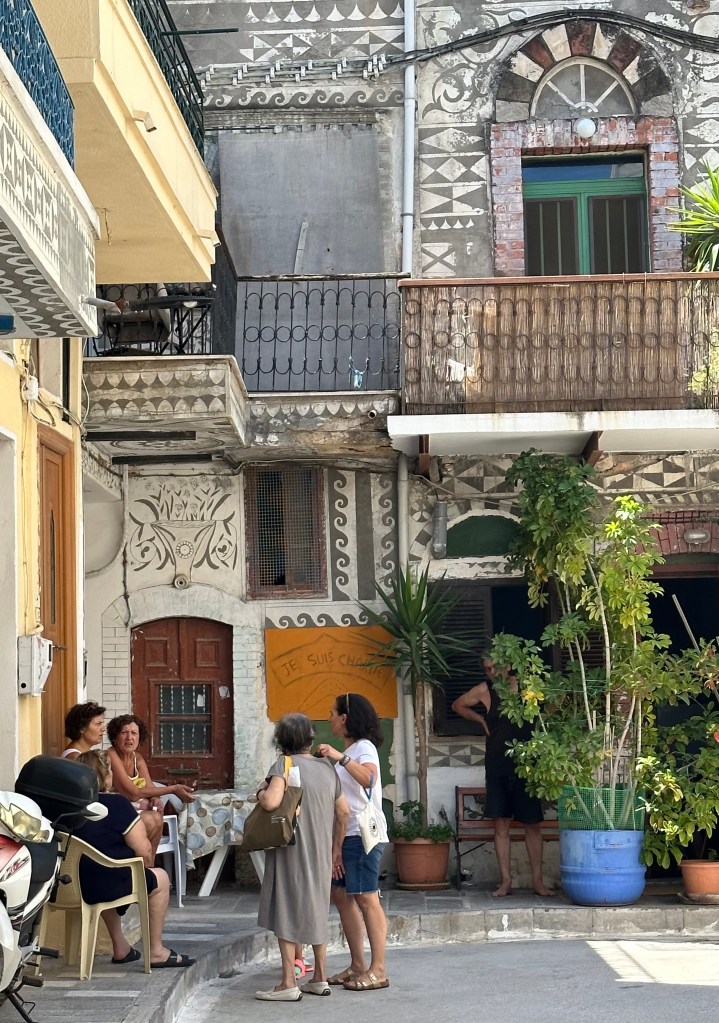
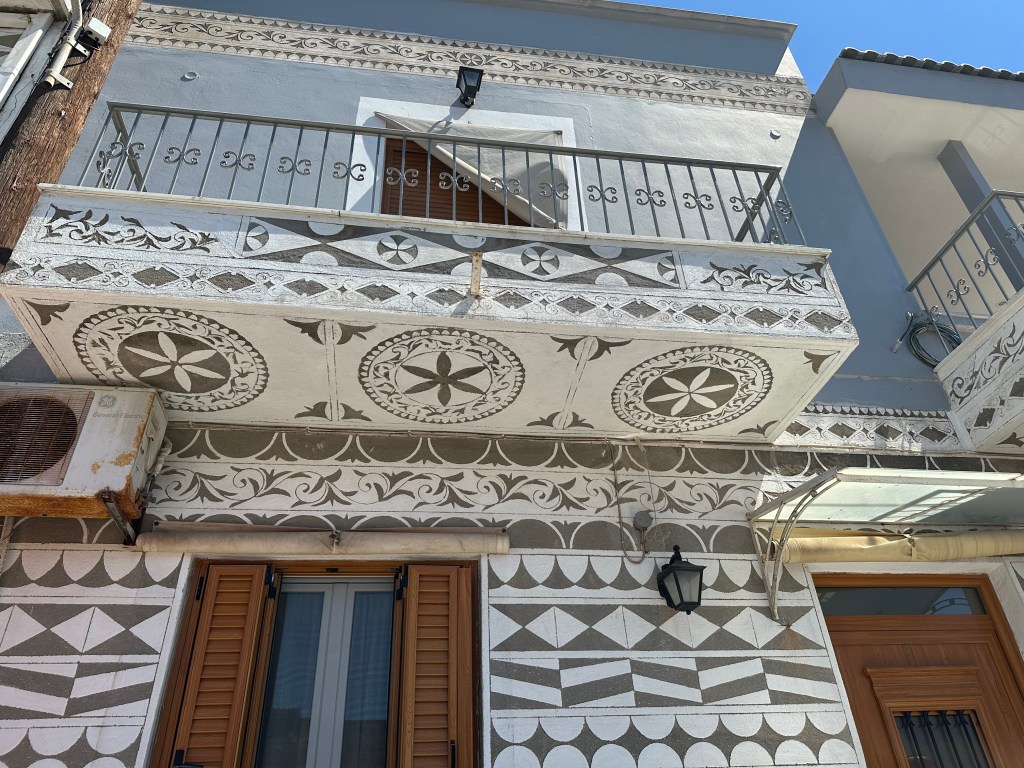
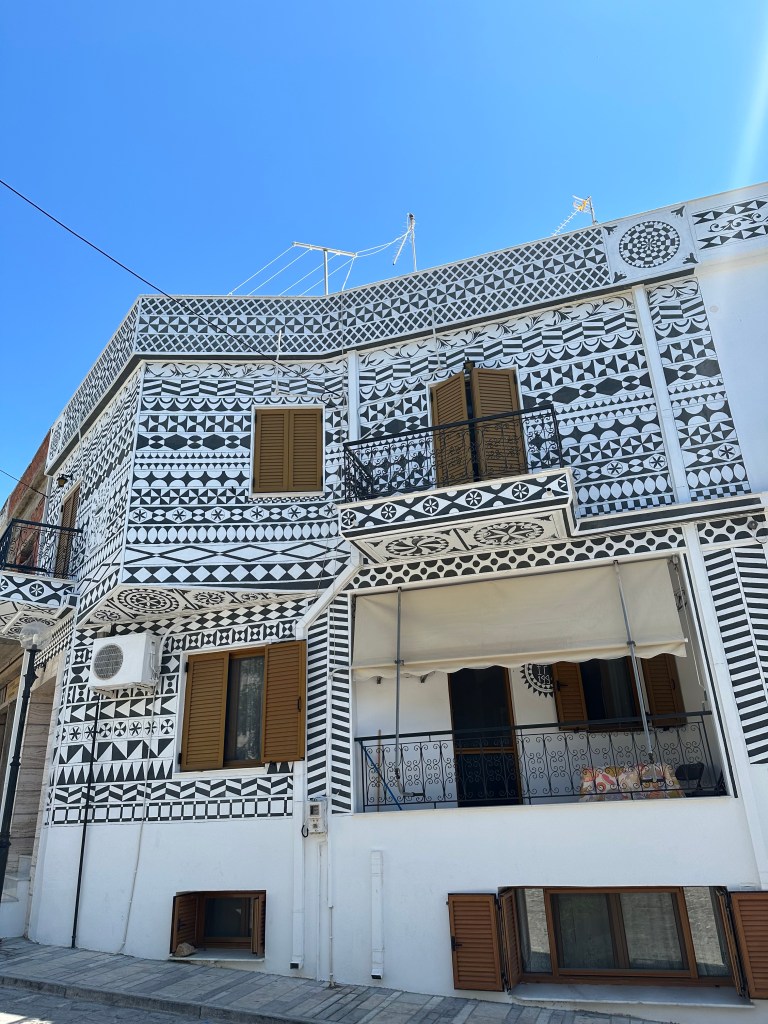
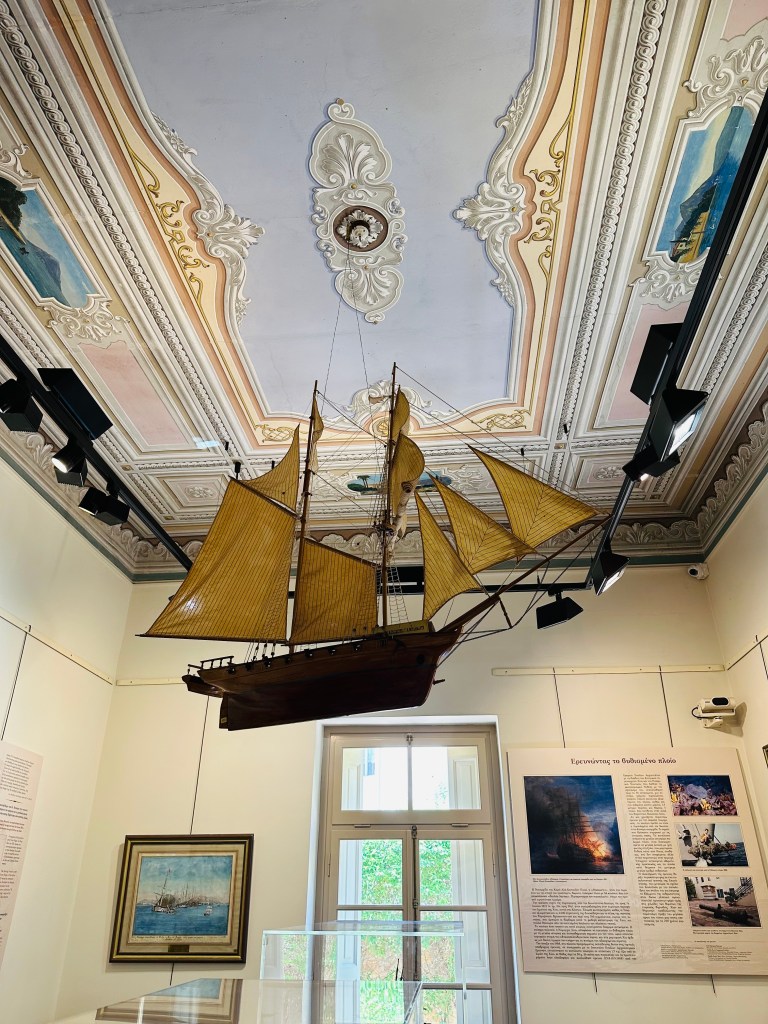
A trip to the maritime museum in the pretty ordinary main town by bus was another highlight as it was housed in a family villa that had been loving restored and the exhibits beautifully curated.
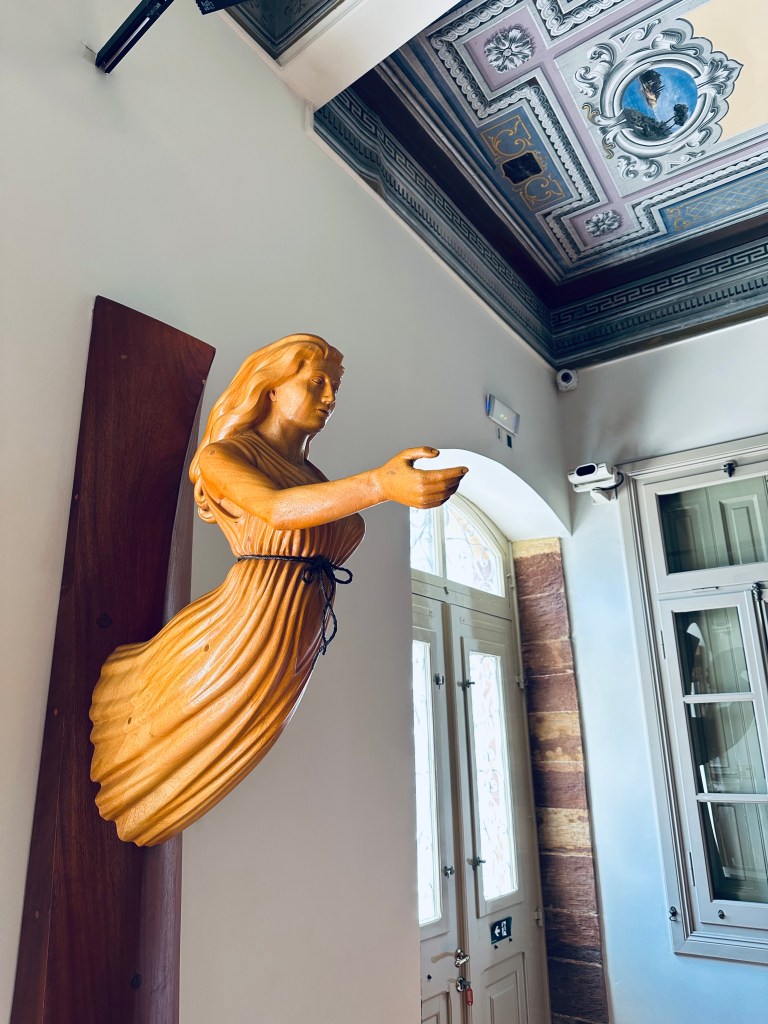
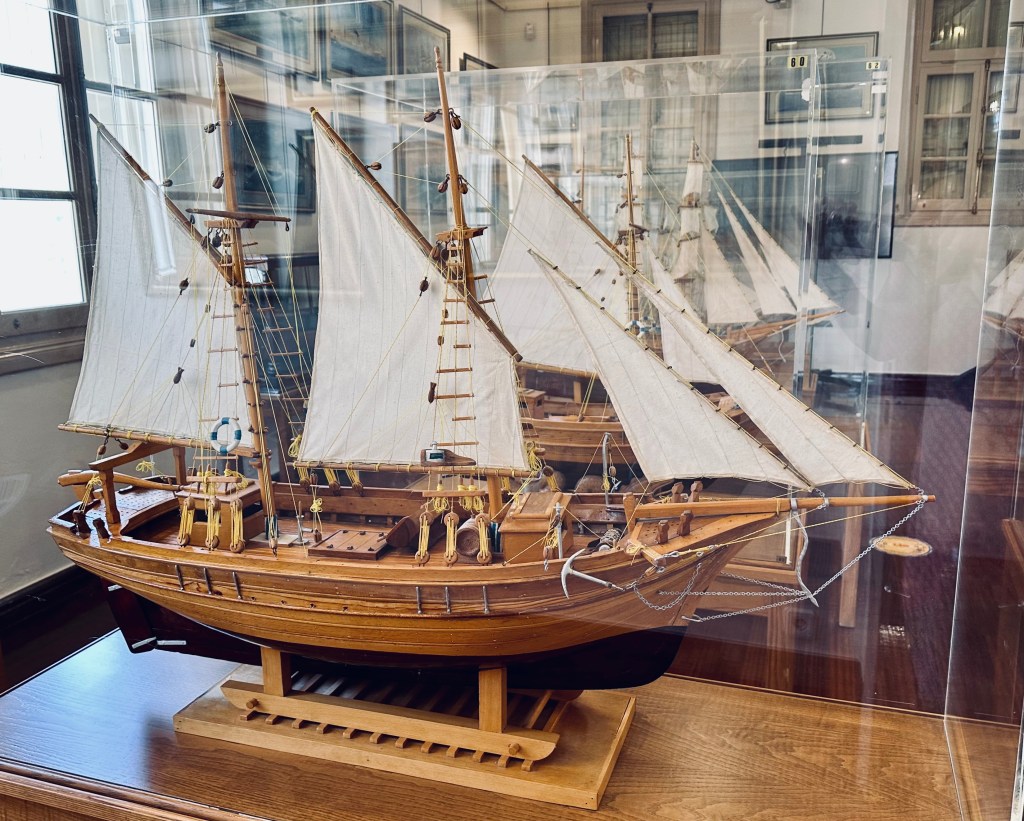
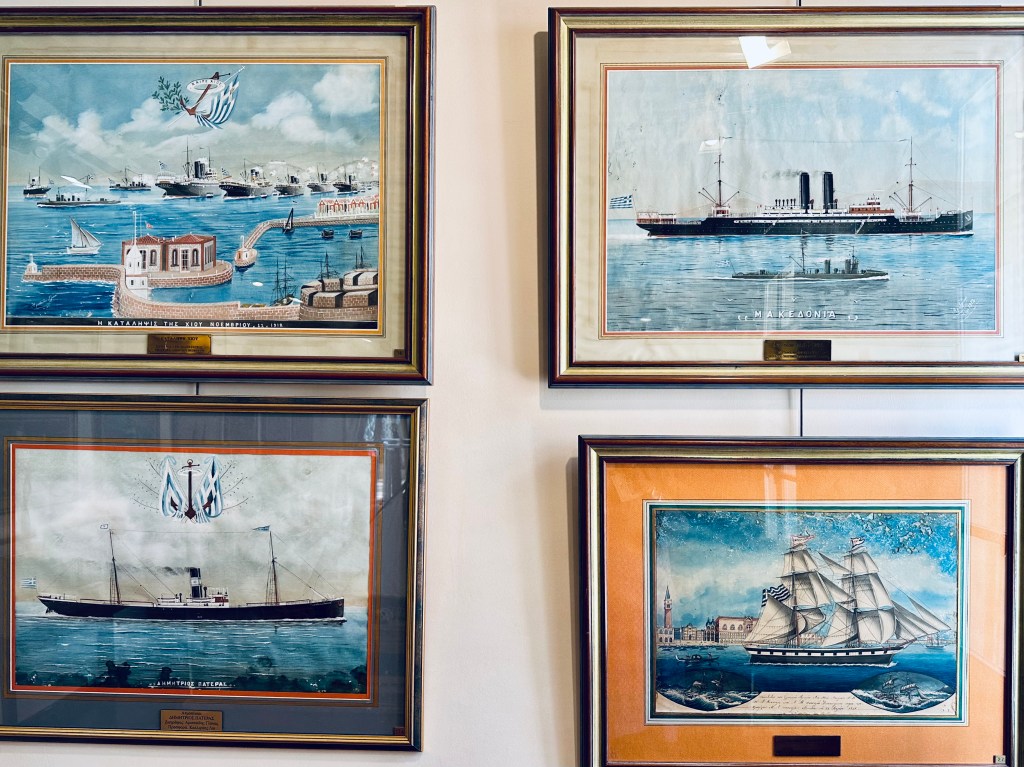
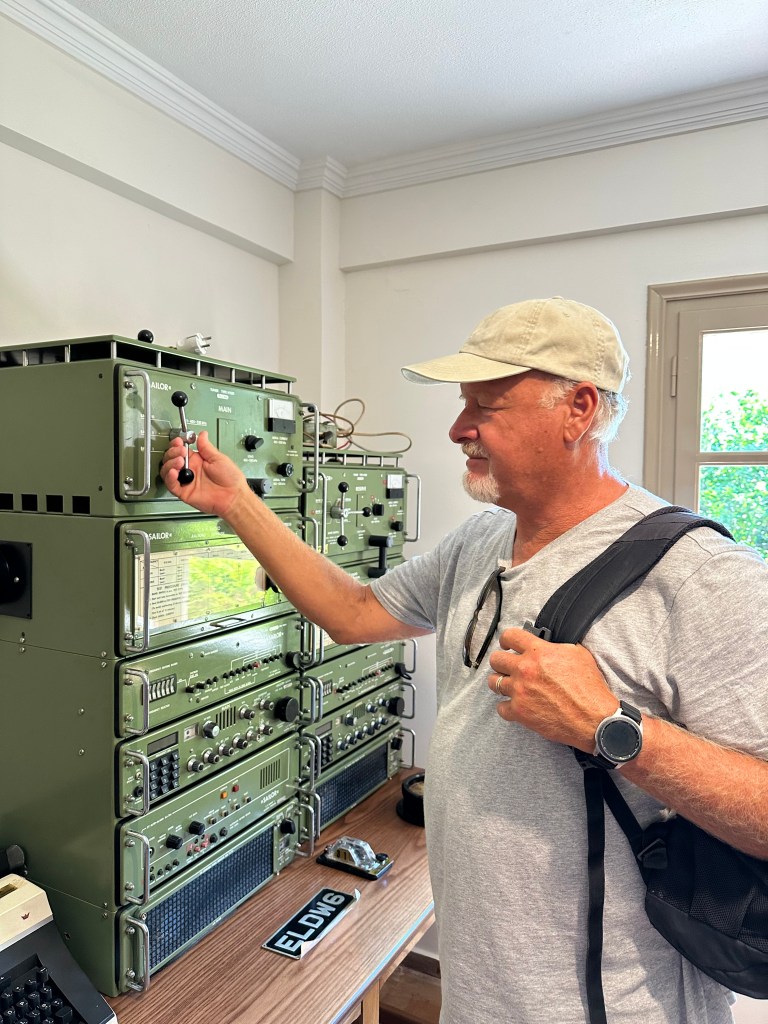
Rugged landscape, gorges and deep valleys abound and small mountain villages are dotted all over the island. It’s all such a testament to their resilience. We left the island with a deep appreciation for the amazing land and its people.
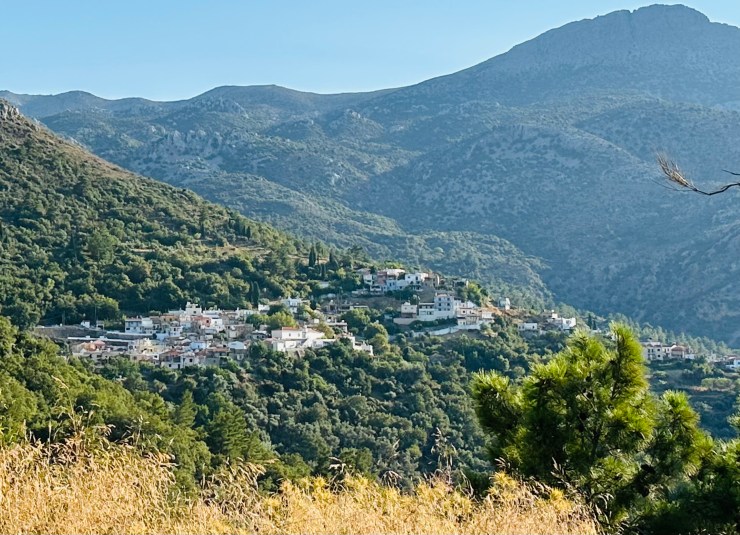
Some islands have made a deliberate decision as to whether or not they want or need tourism. Oinousses is an island whose residents’ haves decided they won’t court the tourist $$. Home to some of Greece’s biggest shipping magnates there is little accommodation, no entertainment but one beach bar and a few tavernas on the town quay. You can visit, sure but don’t expect a fanfare. It’s pretty cool actually and has a feeling of having quietly slipped away from modern life. Summer sees quite a few super yachts as family return home. You can head back to Chios for nightlife or better still go to the Cyclades.
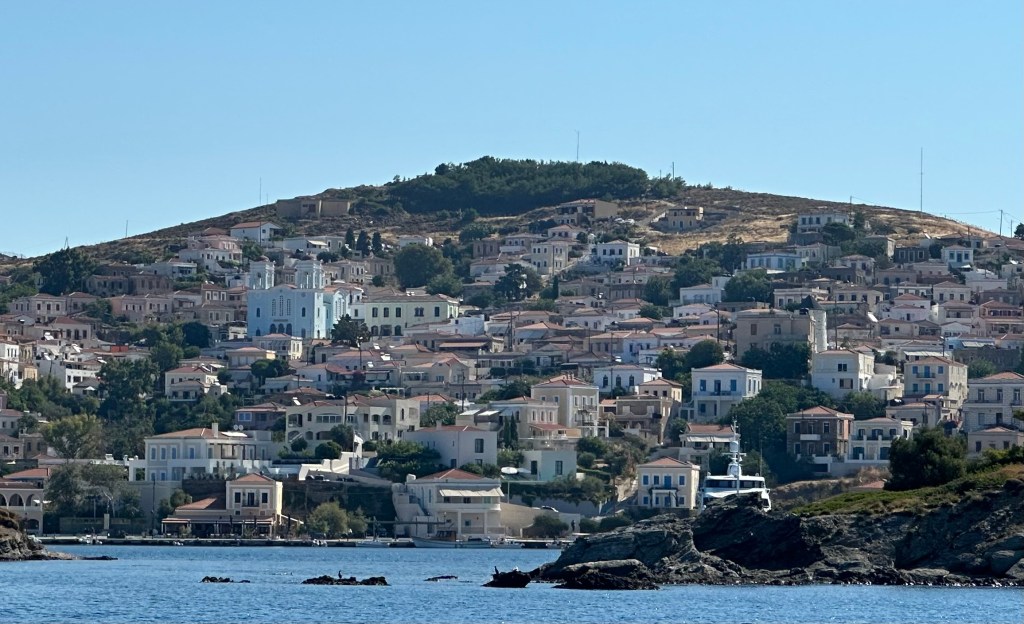
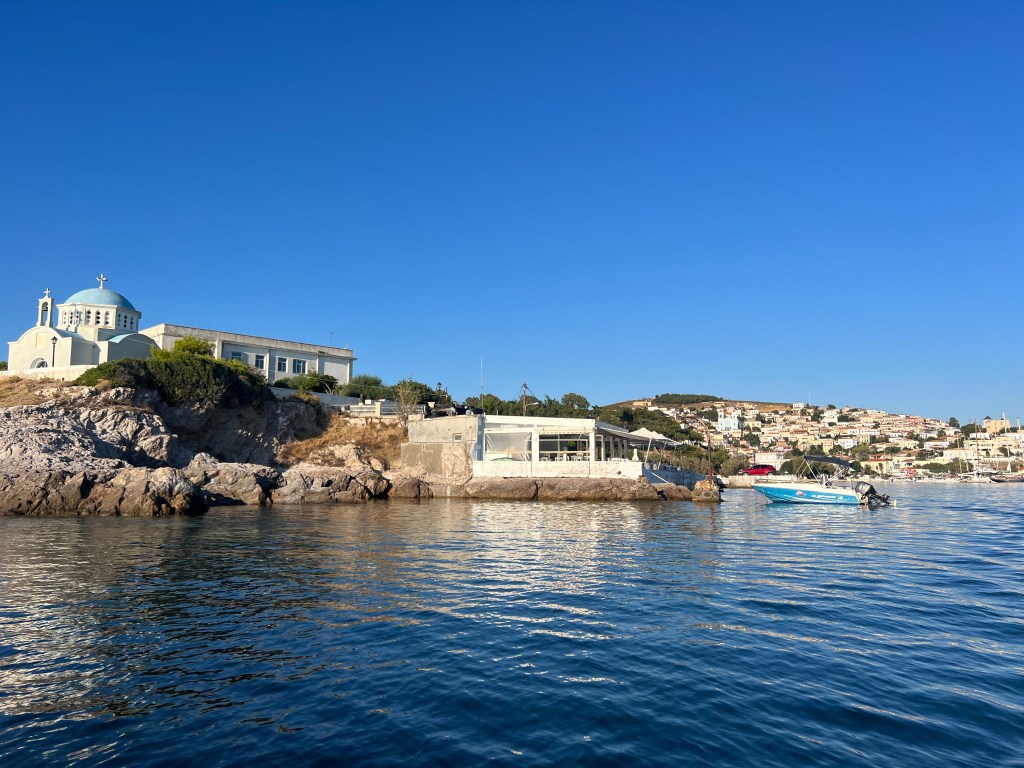
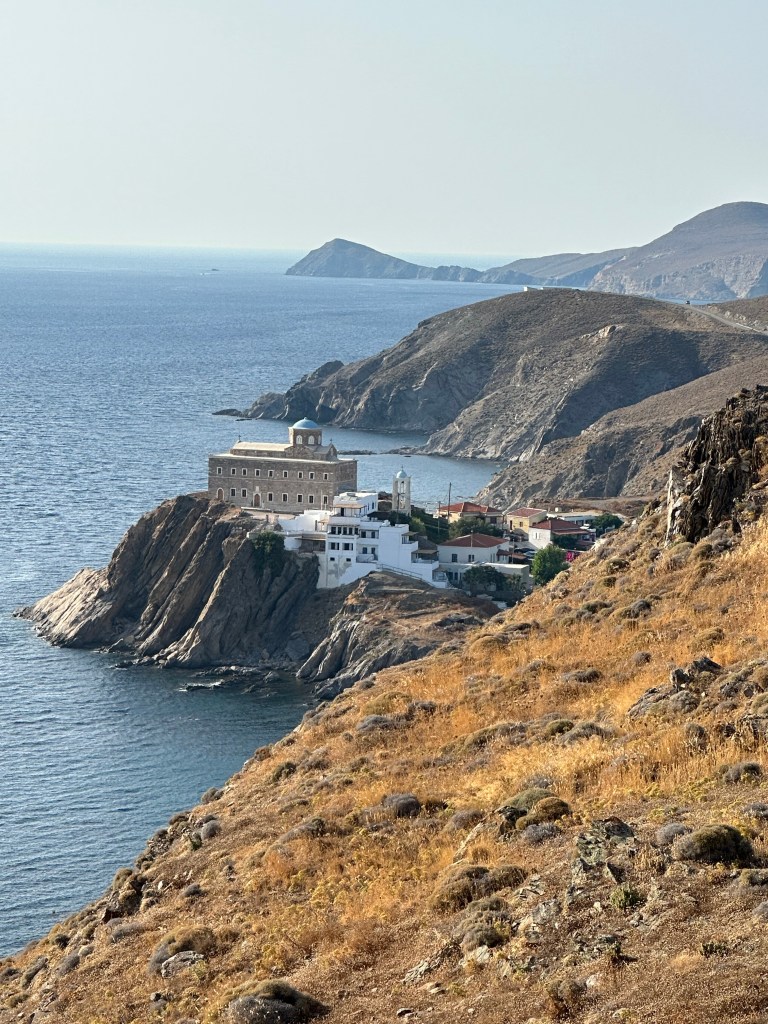
Tiny Psara was a stop off for us between Chios and Skyros over in the Western Aegean. Until Greece’s independence Psara was known only for its slipper lobster and the poverty of its people in ancient times and for its great fight against the Ottomans more recently. Greece’s first prime minister hails from Psara and the tiny island forged itself anew on trade bringing people and more wealth to the island. It’s just a speck with one town, a few beaches and the odd, lonely church on a rocky outcrop.
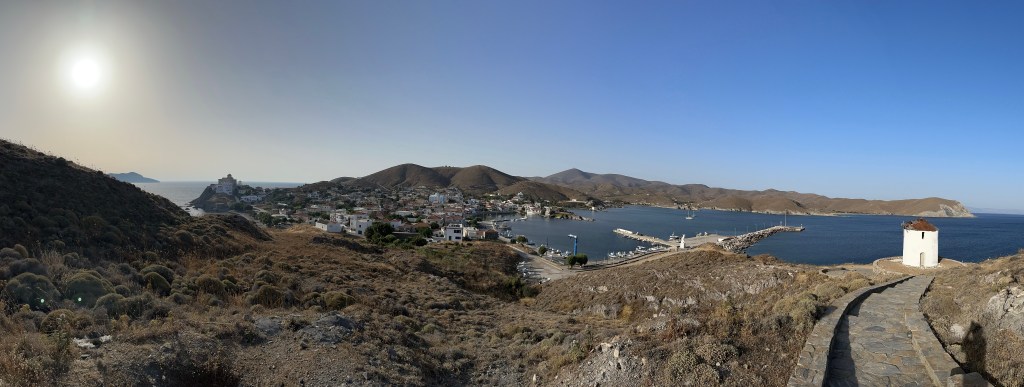
The afternoon we arrived we anchored out in the bay as it was quite windy and we had planned an early start so decided it wasn’t worth going alongside the town quay. We took the dinghy in and walked up to the church on the top of the island close by to where the castle once existed.
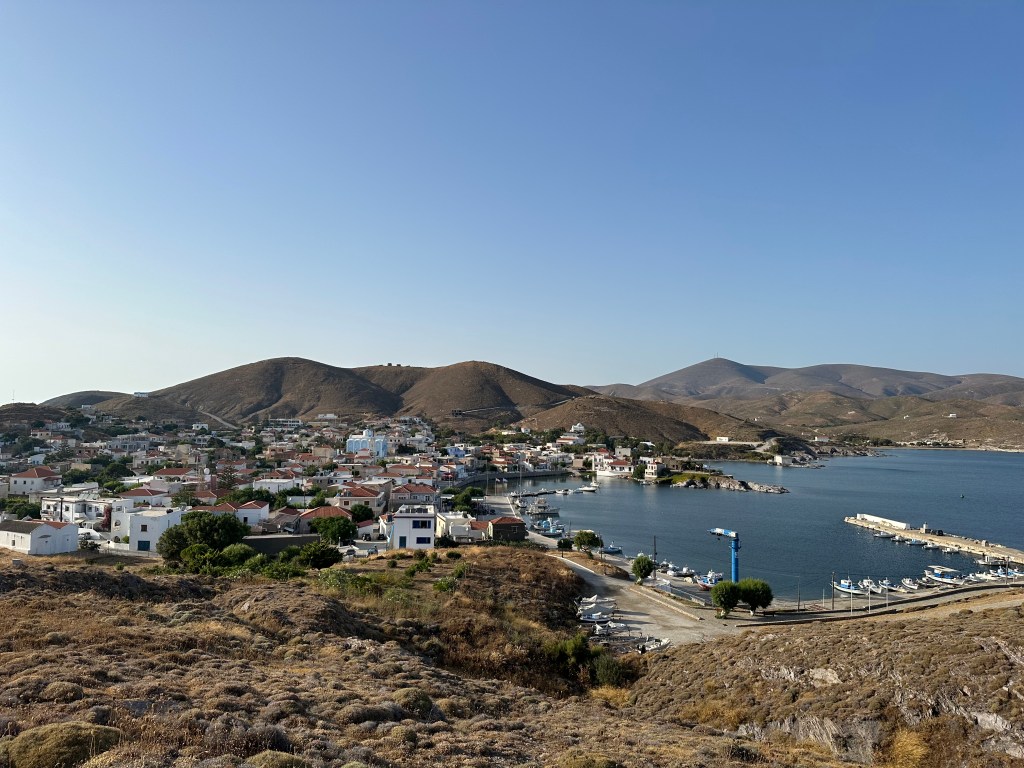
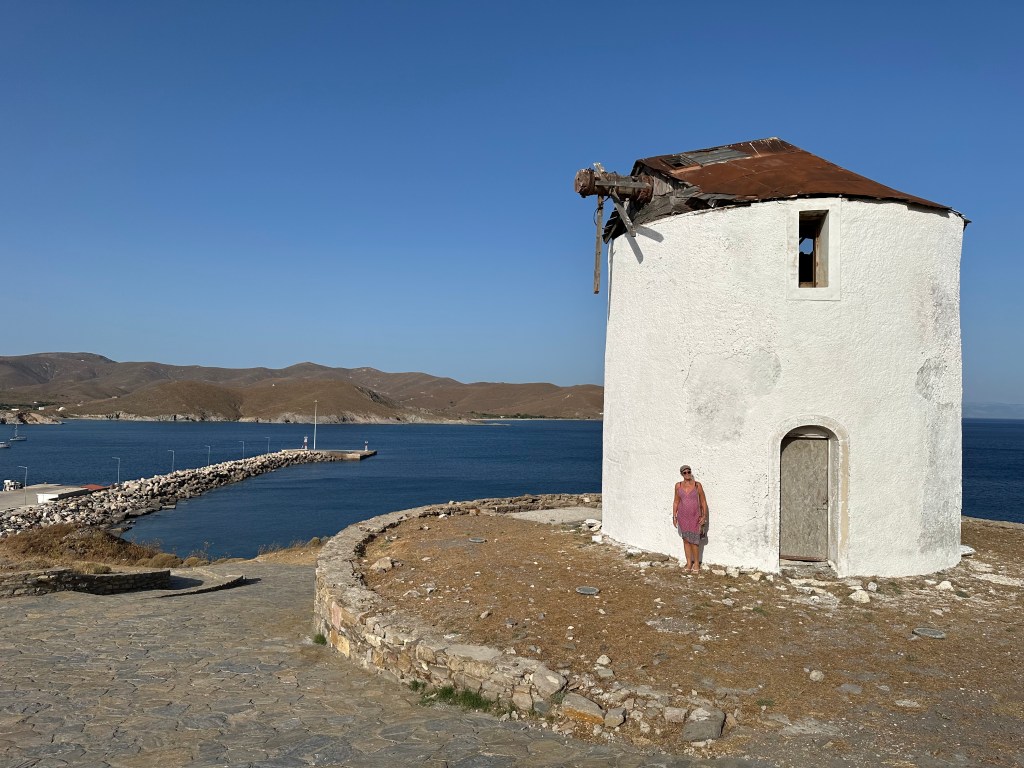
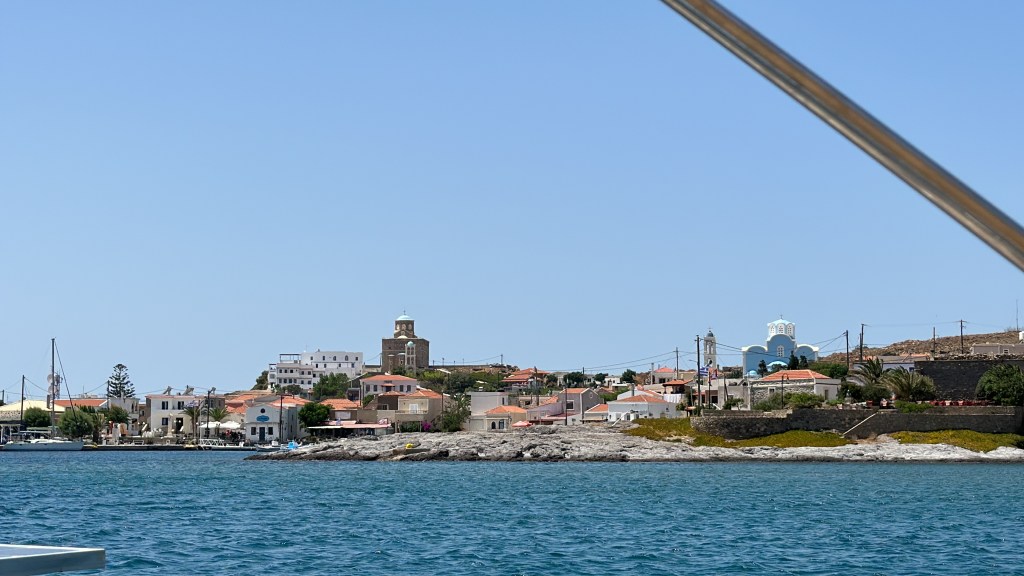
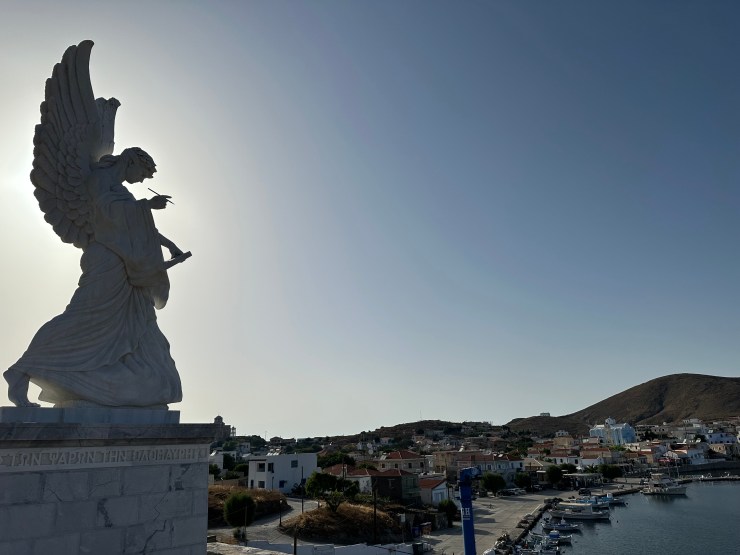
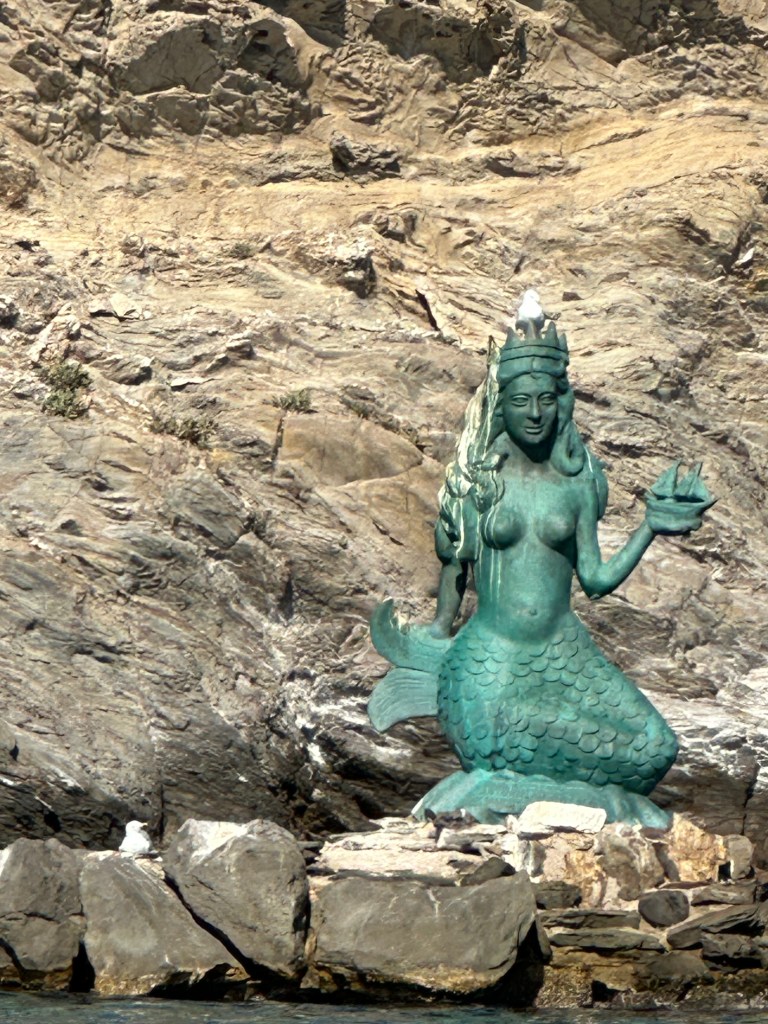
There’s a beautiful statue at the base of the walk which looks over the bay and the town.

There’s one ferry that arrives a few times a week called the Psara Glory. It’s a classic. We thought it was built in the 50’s or earlier but turns out it’s pretty new. She arrives about 5pm and then ties up overnight and leaves again at 7 the following morning.As we got back to the boat, we heard a band setting up in the main square and figured they must have arrived with the ferry. They sounded great as they tuned up with a mix of bouzouki and songs in both English and Greek just wafting across the bay to where we were anchored. The churches here often have big celebrations on their Saints Day and turns out one was being set up in the main tiny square outside the bank. We saw the trestle tables being set up and put two and two together and figured we were in for an evening of entertainment.
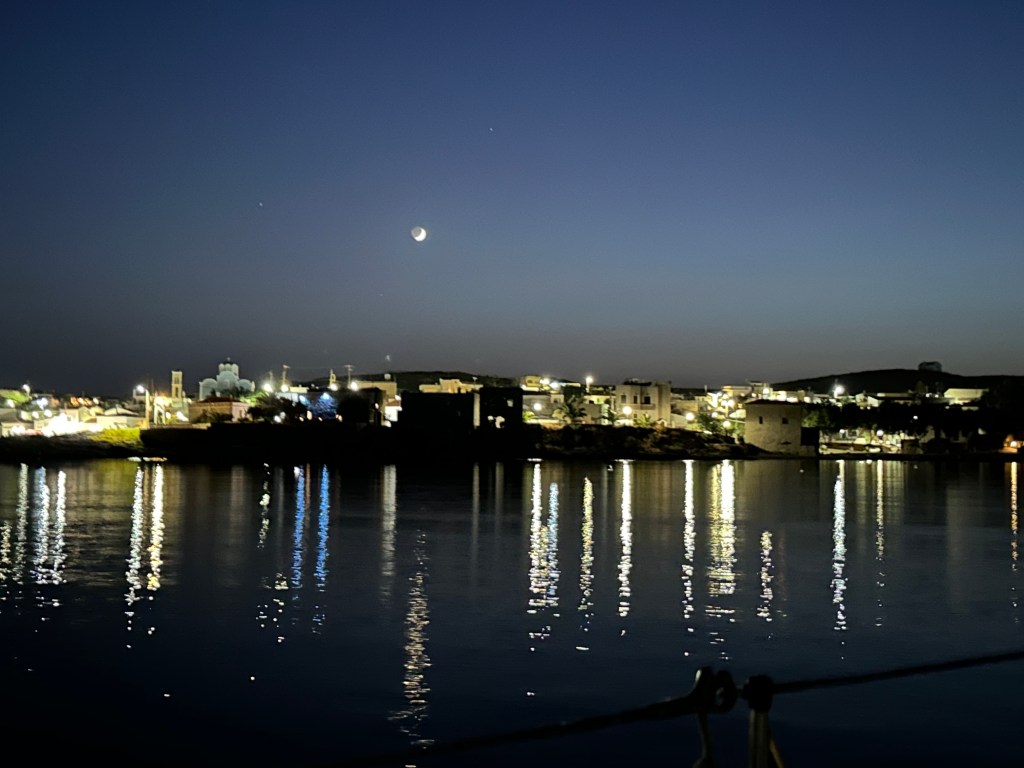
At 11pm the band began. Clearly, they’d been tuning up with their amplifiers turned right down and as they blasted out their first song we knew we were in for a long night. We stayed up until after midnight listening to them as they were great musicians but finally with the promise of an early start in the morning we headed to bed. Well. They sounded like they were in the cabin with us it was that loud. I love the abandon with which they played, turning out song after song with no break at all until……well I actually don’t know when they stopped. At dawns first light around 5am we got up after a long night of pretending to sleep and headed out across the sea for Skyros. The band were still playing and we suspect that they packed up just in time to catch the 7am ferry out.

 ocean-pilgrim
Leave a comment